Pet surgery can feel stressful even when the procedure has been carefully planned. Knowing what will happen before, during, and after surgery can make the day much easier for both you and your pet. From pre surgical testing to anesthesia monitoring and recovery instructions, each step has a purpose.
If your pet is scheduled for pet surgery in South Burlington, understanding the process can help you feel prepared and confident. Whether the procedure involves removing a mass, collecting a biopsy, or addressing another soft tissue concern, good preparation supports a smoother experience.
What Is Soft Tissue Surgery for Pets?
Pet soft tissue surgery refers to procedures involving tissues other than bones and joints. These surgeries can address many different conditions and may be recommended for both dogs and cats.
Common examples include:
- Mass or lump removal
- Biopsy procedures
- Wound repair
- Removal of foreign material
- Procedures involving the skin or underlying tissues
- Certain reproductive procedures
- Treatment of selected abdominal conditions
The exact surgical plan depends on your pet’s health, age, medical history, and the condition being treated.
Your veterinary team should explain why surgery is recommended, what the procedure involves, and what you can expect during recovery.
What to Expect Before Surgery
Surgical preparation often begins before the actual procedure day. Your veterinarian may perform a physical examination and review your pet’s medical history.
Pre surgical blood work may also be recommended. This testing can provide useful information about organ function, blood cell levels, and other factors that may affect surgical planning.
Blood work is especially helpful because pets can have underlying health concerns that are not obvious from outward appearance alone.
Depending on the procedure and your pet’s individual needs, the veterinary team may recommend additional diagnostic testing.
You should also receive instructions about food and water before surgery. Follow those instructions carefully. Fasting requirements can vary depending on the procedure, age of the pet, and medical circumstances.
Your Pet’s Morning Routine Matters
On the morning of surgery, keep things calm.
Avoid making major changes to your pet’s normal environment. Dogs may benefit from a short bathroom break before arriving at the hospital, while cats should remain safely secured in their carrier.
Before leaving home, make sure you understand:
- When your pet should stop eating
- Whether water should be restricted
- Which medications should be given
- What time you need to arrive
- Whether you need to bring any medications or medical records
- When you should expect an update from the veterinary team
If you are unsure about any instruction, contact the hospital before making assumptions.
The Admission Process
When you arrive, the veterinary team will review the surgical plan with you. This is a good time to mention anything unusual you noticed recently, such as changes in appetite, activity, bathroom habits, coughing, vomiting, or behavior.
The team may also confirm your contact information and discuss the expected procedure and recovery process.
Your pet will then be prepared for surgery.
For many owners, this is the hardest part of the day because they have to leave their companion with the veterinary team. Remember that the surgical staff follows a structured process designed to keep track of your pet from admission through recovery.
Why Pre Anesthetic Testing Can Matter
Anesthesia affects the entire body, which is why careful preparation matters.
Pre anesthetic blood testing can help the veterinary team evaluate important aspects of your pet’s health before anesthesia is administered. The results may help identify concerns that could influence the timing or approach of the procedure.
Not every pet requires exactly the same testing. Your veterinarian will consider factors such as age, medical history, current medications, and the planned procedure.
The goal is not simply to perform surgery. The goal is to understand your pet’s health well enough to make informed decisions about their care.
What Happens During the Procedure?
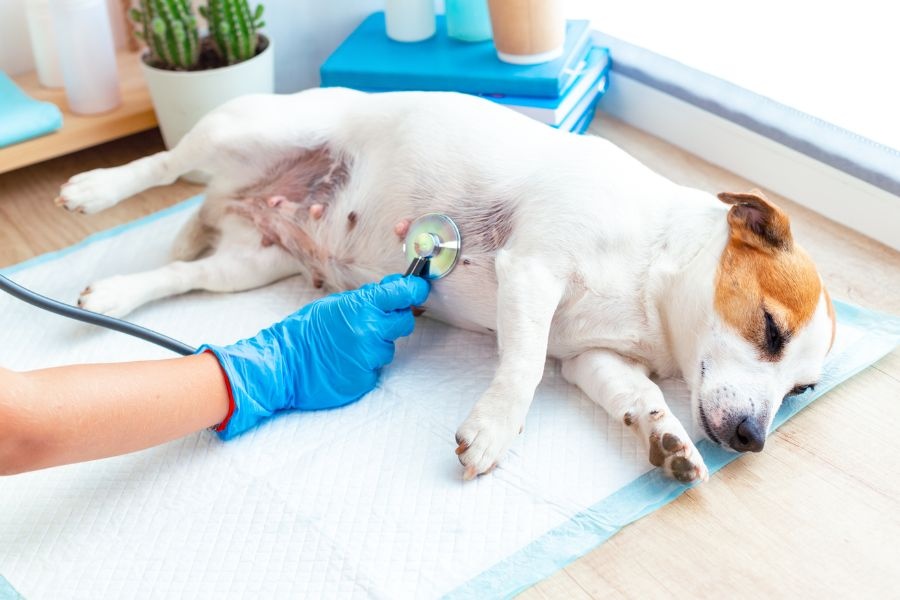
Once your pet is prepared, anesthesia is administered according to the surgical plan. Your pet is then positioned and prepared for the procedure.
Modern veterinary surgical care involves more than simply performing the operation. Monitoring is an important part of the process.
Depending on the hospital and procedure, the veterinary team may monitor factors such as:
- Heart rate
- Breathing
- Oxygen levels
- Blood pressure
- Body temperature
- Anesthetic depth
This type of monitoring helps the team recognize changes and respond appropriately throughout the procedure.
Safe pet anesthesia monitoring is an important part of responsible surgical care because pets cannot communicate how they feel while under anesthesia.
Surgical Monitoring Does Not Stop With the Procedure
Finishing the operation is only one part of the surgical process.
After the procedure, your pet enters the recovery period. Veterinary staff continue observing your pet as the effects of anesthesia gradually wear off.
Temperature, breathing, alertness, comfort, and other factors may be monitored during this stage.
Some pets become sleepy or slightly disoriented after anesthesia. This can be expected during recovery, although every pet responds differently.
Your veterinary team will determine when your pet is ready to return home based on their recovery and individual condition.
What to Expect When Your Pet Comes Home
Your pet may need a quiet place to rest after returning home.
Follow the discharge instructions carefully. These instructions may cover medication, feeding, activity restrictions, incision care, and follow up appointments.
Your pet may not immediately behave exactly as usual. Appetite and energy can vary during the first part of recovery.
Prevent excessive activity if your veterinarian has recommended restrictions. Running, jumping, rough play, and licking an incision can interfere with healing.
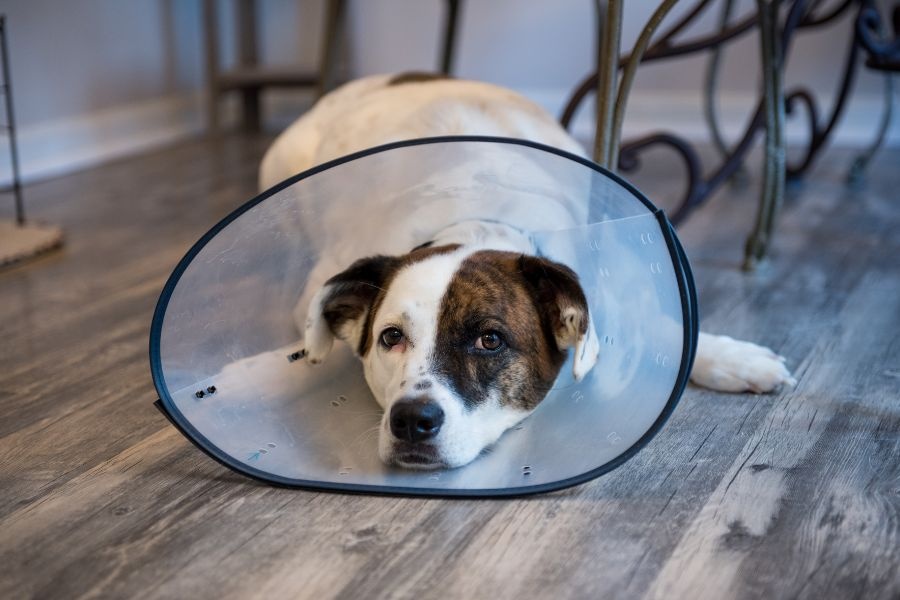
Depending on the procedure, your pet may need an Elizabethan collar or another protective device.
Watch the Surgical Site
If your pet has an incision, check it as instructed by the veterinary team.
Look for changes such as increasing swelling, discharge, separation of the incision, or other concerns. Do not apply creams, cleaning products, or home remedies unless specifically recommended by your veterinarian.
Your pet may also try to lick or scratch the area. Preventing this behavior can be an important part of recovery.
If something about the incision or your pet’s behavior concerns you, contact the veterinary team rather than trying to manage the issue on your own.
Recovery Is Part of Surgical Care
A successful procedure does not end when your pet leaves the hospital.
Recovery instructions are designed to protect the surgical site and give tissues time to heal. Your veterinarian may recommend restricted exercise for a specific period.
Keep your pet comfortable and follow medication instructions exactly as provided.
Give medications only as directed. Never give human pain medications unless a veterinarian specifically instructs you to do so.
Follow up appointments are also valuable because they allow the veterinary team to assess healing and determine whether activity can gradually return to normal.
How Pet Parents Can Prepare
A little preparation can make the entire experience easier.
Before procedure day:
- Read all instructions carefully
- Prepare a quiet recovery area at home
- Wash and organize your pet’s bedding
- Keep medications in an easy to remember location
- Arrange transportation if needed
- Plan for restricted activity
- Ask questions about incision care
- Save the hospital’s contact information
- Make arrangements for follow up care
Knowing what to expect on pet surgery day can reduce uncertainty and help you focus on your pet’s recovery.
Schedule Your Pet’s Surgical Consultation
If your pet needs pet soft tissue surgery, choosing a veterinary team that explains each stage of care can make the experience more manageable. Pet parents can schedule an appointment with Dorset Street Animal Hospital to discuss their pet’s surgical needs, preparation requirements, and recovery plan.
Online appointment scheduling can help you take the next step and discuss your concerns with the veterinary team before the procedure.
If you have questions about surgical preparation, anesthesia monitoring, medications, or recovery, contact the hospital directly. A conversation with your veterinary team can help you understand the plan and prepare your home for your pet’s return.
Q1. Should my pet have blood work before soft tissue surgery?
Ans: Pre surgical blood work may be recommended to evaluate your pet’s overall health before anesthesia. It can provide useful information about blood cells and organ function. The testing recommended for your pet depends on factors such as age, medical history, current health, and the type of procedure being performed.
Q2. How long does a pet usually stay at the hospital on surgery day?
Ans: The length of the visit varies according to the procedure, preparation requirements, recovery time, and your pet’s individual response to anesthesia. Some procedures require more observation than others. Your veterinary team should provide an estimated discharge timeframe and contact you with updates when appropriate.
Q3. Will my pet be monitored while under anesthesia?
Ans: Yes. Veterinary surgical teams commonly monitor important body functions during anesthesia. Depending on the procedure and facility, monitoring can include heart rate, breathing, oxygen levels, blood pressure, and body temperature. Continuous observation allows the team to recognize changes and make appropriate adjustments during surgery.
Q4. What should I do when my pet comes home after surgery?
Ans: Prepare a quiet, comfortable recovery area and follow the discharge instructions provided by your veterinary team. Limit activity as directed, give prescribed medications according to instructions, and prevent your pet from licking or disturbing the surgical site. Contact the hospital if you notice unexpected changes during recovery.
Q5. When can my pet return to normal activity after surgery?
Ans: Recovery time depends on the procedure and your pet’s individual healing process. Some pets need several days of limited activity, while others require longer restrictions. Your veterinarian will provide specific instructions and may recommend a follow up examination before allowing unrestricted exercise.