Owning a dog in South Burlington brings wonderful opportunities for outdoor adventure and social fun. Whether you are taking your dog for a lively run at a local community park, dropping them off at a neighborhood boarding facility during a family trip, or visiting a grooming salon for a fresh haircut, dogs thrive on interaction. However, these bustling communal spaces also present a hidden downside. When lots of dogs gather together, highly contagious airborne bugs can spread rapidly through the animal community, leading to uncomfortable respiratory flare-ups.
One of the most common respiratory conditions that active dogs encounter is infectious tracheobronchitis, widely known as kennel cough. While the name suggests it only happens in boarding kennels, any social dog can contract it through routine contact. Understanding what causes these respiratory troubles, recognizing early kennel cough symptoms in dogs, and knowing how professional diagnostic care helps guide recovery are vital responsibilities for pet parents.
Understanding Canine Infectious Respiratory Disease
Canine infectious respiratory disease is not caused by a single pathogen. Instead, it represents a complex syndrome involving multiple bacteria and viruses that work together to attack a dog’s upper respiratory tract. Common culprits include Bordetella bronchiseptica, canine parainfluenza virus, canine adenovirus, and Mycoplasma species.
These contagious agents spread primarily through airborne droplets when an infected dog coughs, sneezes, or barks in close proximity to others. They can also linger on shared water bowls, toys, and kennel surfaces. Because active dogs frequently encounter these germs at parks, doggy daycares, and training classes, respiratory infections can crop up at any time of the year. When these pathogens enter the respiratory tract, they inflame the delicate lining of the windpipe and voice box, setting off a persistent, hacking cough.
Recognizing Kennel Cough Symptoms in Dogs
Unlike mild human colds that might cause a simple sniffle, canine respiratory illnesses are distinctively noisy. If your dog catches an airborne bug, the clinical signs usually appear within three to seven days after exposure.
Common indicators that your dog is battling a respiratory infection include:
- A Persistent, Honking Cough: This is the hallmark sign. The cough often sounds harsh, dry, and raspy, frequently resembling the honking sound of a goose.
- A Retching or Gagging Motion: Many dogs cough so forcefully that they try to clear phlegm at the end of a fit, often producing a small amount of white, foamy mucus.
- Tracheal Sensitivity: Gentle pressure applied to the neck area by a collar can easily trigger an immediate coughing fit.
- Mild Lethargy or Decreased Energy: While many dogs maintain their normal appetite and playful spirit, severe cases can leave pets feeling tired and sluggish.
- Nasal Discharge: You might notice a clear or slightly cloudy discharge coming from your dog’s nose as the respiratory passages react to the infection.
The Role of Comprehensive Diagnostic Care
When a dog develops a persistent cough, pet owners often wonder if it will resolve on its own or if professional intervention is necessary. While mild cases in young, healthy adult dogs can sometimes clear up with simple rest, a persistent cough should never be ignored. Other serious conditions, such as heart disease, collapsing trachea, or fungal infections, can mimic the exact same symptoms.
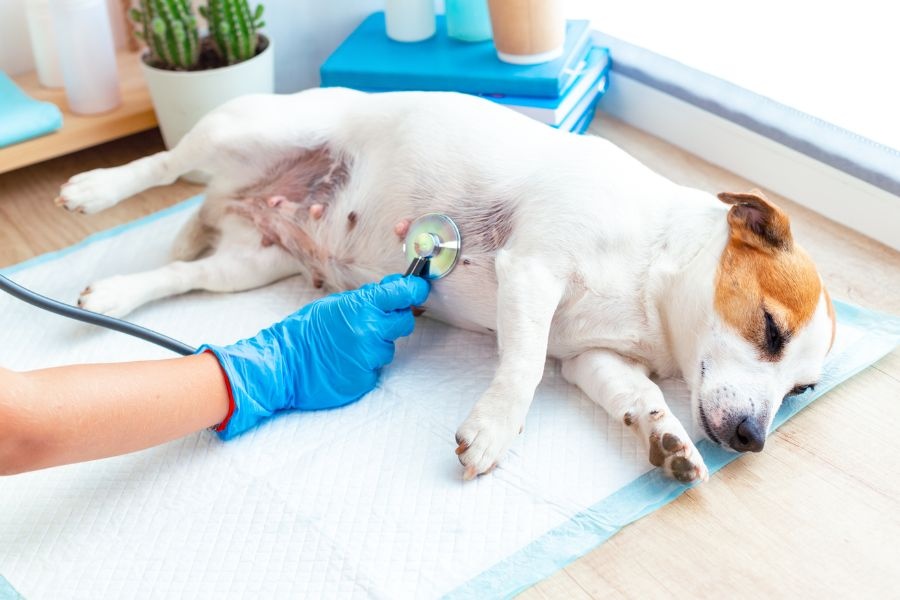
This is where professional diagnostic care becomes essential. When you bring your coughing dog to a veterinary clinic, a thorough physical examination allows the veterinarian to listen closely to the lungs and evaluate upper airway sensitivity. In more complex or stubborn cases, diagnostic tools such as digital chest X-rays or specialized respiratory PCR panels help pinpoint the exact infectious agent or rule out underlying structural problems. Accurate diagnosis ensures that your dog receives targeted, effective care rather than generalized treatment.
Exploring Canine Cough Treatment Options
Managing respiratory infections successfully requires a tailored approach based on the severity of the illness and the specific needs of your dog. Standard canine cough treatment protocols typically focus on reducing inflammation, soothing irritated airways, and preventing secondary bacterial complications.
For most uncomplicated cases, treatment involves a period of strict rest, switching from a traditional neck collar to a body harness to relieve pressure on the windpipe, and utilizing vet-prescribed cough suppressants or anti-inflammatory medications. Using a humidifier in your home or bringing your dog into a steamy bathroom for short intervals can also help loosen mucus and soothe dry throat tissues. If secondary bacterial infections are present, your veterinarian may prescribe targeted oral antibiotics to clear the lungs completely.
Prevention and Protecting the Local Dog Community
While you cannot wrap your dog in bubble wrap, you can take practical steps to minimize their exposure to contagious respiratory pathogens. Being mindful of where your dog spends time and maintaining a strong baseline of overall wellness helps their immune system fight off environmental challenges.
- Avoid High-Risk Areas During Outbreaks: If local community spaces report a spike in canine cough cases, temporarily skip visits to crowded dog parks and communal water stations.
- Sanitize Shared Equipment: Regularly wash your dog’s bowls, leashes, toys, and crates with pet-safe disinfectant cleaners.
- Support Immune Health: Provide a balanced diet, fresh water, and regular low-stress exercise to keep your dog’s immune defenses strong.
- Consult Professionals Early: At the very first sign of a persistent hacking cough, reach out to your veterinary clinic to evaluate the situation before it spreads to other pets in your household.
Partnering with Your Local South Burlington Veterinary Team
Navigating canine respiratory issues is much easier when you have a dedicated veterinary team supporting your family. Every dog has a unique health history and lifestyle, meaning their treatment and prevention plan should be tailored specifically to their needs.
Our team at Dorset Street Animal Hospital is proud to serve pet families throughout the South Burlington community. Whether your dog is experiencing a stubborn cough, needs comprehensive diagnostic care, or requires expert guidance on canine cough treatment options, our experienced professionals are here to support you. Reach out to our South Burlington clinic today to schedule a consultation and help your furry companion get back to breathing easily and playing happily.
FAQ
Q1. What does a typical kennel cough sound like in dogs, and how can I distinguish it from choking?
Ans: Kennel cough typically produces a dry, harsh, honking sound that often ends in a gagging motion, whereas choking usually involves sudden panic, frantic pawing at the mouth, and an inability to breathe.
Q2. How long are dogs with canine infectious respiratory disease considered contagious to other pets?
Ans: Dogs can remain contagious for anywhere from a couple of weeks to over a month after symptoms first appear, depending on the specific infectious agent involved.
Q3. Can an indoor-only dog who never goes to boarding facilities still contract a respiratory infection?
Ans: Yes, indoor dogs can catch airborne bugs through open windows, during neighborhood walks, or when humans bring germs home on their clothing and shoes from interacting with other dogs.
Q4. Why are chest X-rays sometimes necessary during a veterinary diagnostic workup for a coughing dog?
Ans: X-rays allow veterinarians to visualize the lungs and airways directly, helping rule out pneumonia, heart enlargement, bronchitis, or trapped foreign objects that share similar symptoms.
Q5. When should I contact a veterinarian if my dog starts coughing at home?
Ans: You should contact your veterinarian promptly if the cough persists for more than a couple of days, or immediately if your dog stops eating, acts extremely lethargic, or struggles to breathe.