Cats are often described as independent, calm, and self sufficient. Yet even the most confident cat can experience stress when something changes in their surroundings. A new home, unfamiliar visitors, changes in household routines, conflict with another pet, loud construction, or a trip to the clinic can all affect how a cat feels. While stress may begin as an emotional response, ongoing tension can influence many aspects of a cat’s physical health.
Understanding the connection between stress and health can help pet parents notice subtle changes before they become more serious. A cat that hides more often, stops eating normally, overgrooms, or avoids the litter box may be communicating that something is wrong. Regular veterinary care, including a routine wellness exam, can help identify whether these changes are related to stress, an underlying illness, or both.
Why Stress Matters for Cats
Stress activates the body’s natural response to perceived threats. In short periods, this response can help an animal react to a challenging situation. However, repeated or prolonged stress can place additional demands on the body.
Cats are particularly skilled at concealing discomfort. Their instinct to appear healthy can make early signs difficult for owners to recognize. A stressed cat may not cry out or show obvious distress. Instead, the changes may be subtle and develop gradually.
Common signs can include hiding, reduced interaction, changes in appetite, altered sleeping patterns, excessive grooming, urine marking, litter box avoidance, restlessness, or increased irritability. These behaviors should not automatically be blamed on stress. Physical conditions can cause similar symptoms, which is why professional evaluation is important.
How Stress Can Influence Cats’ Physical Health
Long lasting stress may affect several systems throughout the body. The digestive system can be particularly sensitive. Some cats may eat less when they feel unsettled, while others may develop digestive changes.
Stress can also affect urinary habits. Cats under pressure may change where or how often they urinate. Because urinary problems can have medical causes, any persistent change deserves veterinary attention rather than being assumed to be behavioral.
Skin and coat health may also change. A cat that repeatedly licks or grooms one area can develop thinning fur, irritated skin, or bald patches. Stress may contribute to excessive grooming, but allergies, parasites, infections, and other medical conditions can produce similar signs.
Sleep and activity patterns can shift as well. A normally social cat may become withdrawn, while a quiet cat may become unusually restless. These changes provide useful clues about your pet’s overall wellbeing.
Common Sources of Stress at Home
Cats appreciate predictability. Sudden changes to their environment can create uncertainty, particularly when several changes happen at once.
Moving furniture, remodeling, bringing home a new pet, welcoming a new family member, or changing feeding schedules can affect a cat’s sense of security. Loud sounds from appliances, parties, visitors, or outdoor activity may also cause anxiety.
Multi cat households can present another challenge. Even cats that appear to tolerate one another may compete over food, water, resting areas, litter boxes, or attention. Providing separate resources can reduce unnecessary tension.
Outdoor cats may encounter additional stressors such as unfamiliar animals, neighborhood activity, or changes in their surroundings. Indoor cats can experience stress too, especially if their environment lacks hiding places, elevated resting areas, play opportunities, and consistent routines.
Signs That Your Cat May Be Stressed
Knowing your cat’s normal behavior makes changes easier to recognize. Watch for differences that continue or become more noticeable over time.
Possible signs include:
- Spending more time hiding
- Eating significantly less or more than usual
- Drinking noticeably more or less
- Excessive grooming or reduced grooming
- Changes in litter box habits
- Increased vocalization
- Unusual aggression or irritability
- Avoiding family members
- Sleeping much more or less than usual
- Reduced interest in play
A single unusual behavior does not necessarily mean your cat is experiencing chronic stress. However, a pattern of changes should not be ignored. Cats can develop health problems without showing dramatic symptoms.
How a Comprehensive Physical Examination Can Help
When a cat displays behavioral or physical changes, a comprehensive physical examination gives a veterinarian an opportunity to look beyond the obvious symptoms.
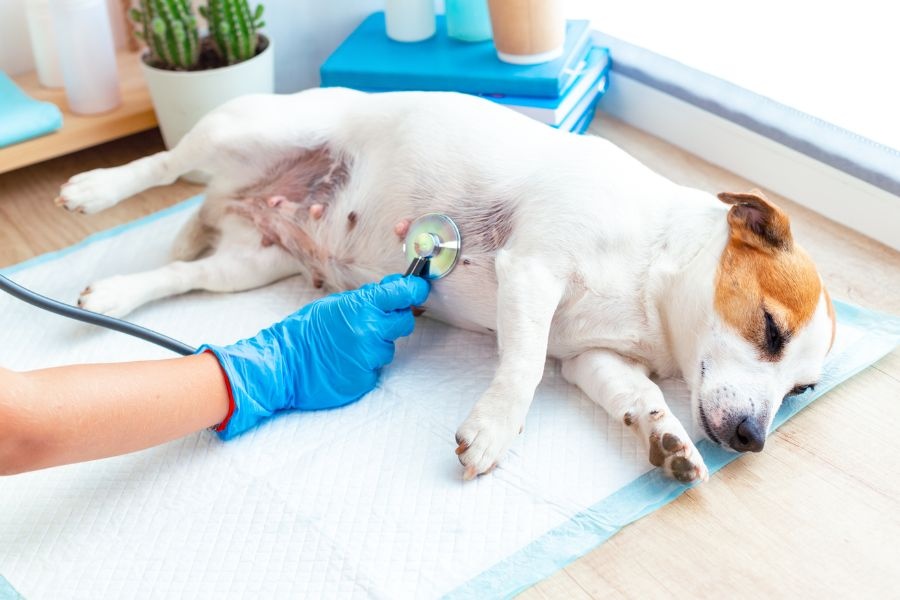
During an examination, the veterinary team may assess your cat’s body condition, hydration, heart and breathing, skin and coat, eyes, ears, mouth, abdomen, mobility, and overall behavior. Depending on the findings and your cat’s history, additional diagnostic testing may be recommended.
This process is important because stress and illness can overlap. For example, reduced appetite may occur during stressful situations, but it can also accompany dental discomfort, digestive problems, kidney concerns, or other conditions. Likewise, litter box changes may be associated with environmental stress but can also signal urinary or other health concerns.
A detailed history from the pet parent is especially valuable. Tell your veterinarian when the change started, what was happening around that time, whether symptoms are getting better or worse, and whether your cat’s eating, drinking, grooming, or litter box habits have changed.
The Value of a Routine Wellness Exam
A routine wellness exam is not only useful when a cat appears sick. It provides an opportunity to establish a picture of normal health and monitor changes over time.
Regular examinations allow the veterinary team to compare body weight, physical findings, behavior, and other health indicators from one visit to another. Small changes may become easier to recognize when there is an established health history.
For cats, routine veterinary care can be particularly valuable because they may hide signs of discomfort. A cat may continue eating and interacting with the family while an underlying issue is developing.
Pet parents in South Burlington can support their cats by keeping regular wellness appointments and sharing even subtle behavioral changes with their veterinary team. Early discussion can help determine whether environmental adjustments, monitoring, diagnostic evaluation, or another approach is appropriate.
Creating a Calmer Home Environment
You cannot eliminate every source of stress, but you can make your cat’s environment more predictable and comfortable.
Keep feeding and play schedules consistent when possible. Provide quiet spaces where your cat can retreat without being disturbed. Vertical spaces such as cat trees or secure shelves can give cats a sense of control over their surroundings.
In multi pet homes, provide adequate resources for each animal. Multiple food and water locations, litter boxes, resting areas, and hiding spots can reduce competition.
Interactive play can also provide mental stimulation and encourage normal activity. Short, regular sessions are often easier for cats to enjoy than long periods of intense activity.
When introducing changes, gradual transitions are usually easier for cats to handle. Give your pet time to investigate new objects, smells, people, or animals rather than forcing interaction.
Helping Your Cat During Veterinary Visits
Trips to the veterinary clinic can be stressful for some cats. Carrier training can make the experience more manageable. Leave the carrier in a familiar area at home and allow your cat to explore it voluntarily.
Using familiar bedding inside the carrier may also provide reassurance. Avoid chasing your cat around the house when it is time to leave. Instead, encourage calm movement into the carrier whenever possible.
Let your veterinary team know if your cat becomes highly anxious during visits. Sharing this information allows the team to consider handling approaches that support your pet’s comfort and reduce unnecessary stress.
When Stress Requires Veterinary Attention
Stress should not become an explanation for every change in a cat’s behavior. If your cat stops eating, develops persistent litter box changes, repeatedly vomits, has diarrhea, loses weight, develops skin irritation, or becomes unusually withdrawn, contact your veterinary team for guidance.
Sudden or persistent changes deserve attention because cats can show similar outward behaviors for very different reasons. A physical examination can help separate environmental stress from a medical concern.
The goal is not simply to identify stress. It is to understand the whole picture of your cat’s health and create a plan that supports physical and emotional wellbeing.
Support Your Cat’s Health With Dorset Street Animal Hospital
At Dorset Street Animal Hospital, pet parents can discuss changes in behavior, appetite, grooming, activity, and other aspects of feline health with a veterinary team. If your cat seems more withdrawn, restless, or different from usual, scheduling an appointment can help determine what may be happening.
A comprehensive physical examination and routine wellness exam can provide valuable insight into your cat’s overall condition and help your veterinary team monitor changes over time. For families in South Burlington, maintaining regular veterinary care is an important part of supporting long term feline health.
Schedule Your Cat’s Wellness Appointment
Do not wait for small changes to become your cat’s new normal. Schedule an online appointment with us to discuss your cat’s behavior, physical health, and ongoing wellness needs. A timely checkup can help you better understand changes and give your cat the support needed for a healthier, more comfortable life.
Frequently Asked Questions
Q1. Can stress make my cat stop eating?
Ans: Yes. Stress can reduce appetite in some cats, especially after major environmental changes. However, reduced appetite can also indicate an underlying medical problem, so persistent or significant changes should be discussed with a veterinarian.
Q2. How can I tell whether my cat is stressed or sick?
Ans: Stress and illness can produce similar signs, including hiding, appetite changes, altered grooming, and litter box changes. A veterinary examination can help determine whether a physical condition may be contributing to the behavior.
Q3. Can stress affect my cat’s litter box habits?
Ans: Yes. Changes in the home environment or social relationships can influence litter box behavior. Medical conditions can cause similar changes, so persistent inappropriate urination or other litter box concerns should receive veterinary evaluation.
Q4. How often should my cat have a wellness examination?
Ans: The appropriate schedule depends on your cat’s age, health status, lifestyle, and medical history. Your veterinary team can recommend an examination schedule that fits your individual cat.
Q5. What can I do at home to reduce stress for my cat?
Ans: Maintain predictable routines, provide quiet hiding areas, offer separate resources in multi cat households, encourage appropriate play, and introduce environmental changes gradually. If stress signs continue, consult your veterinary team.