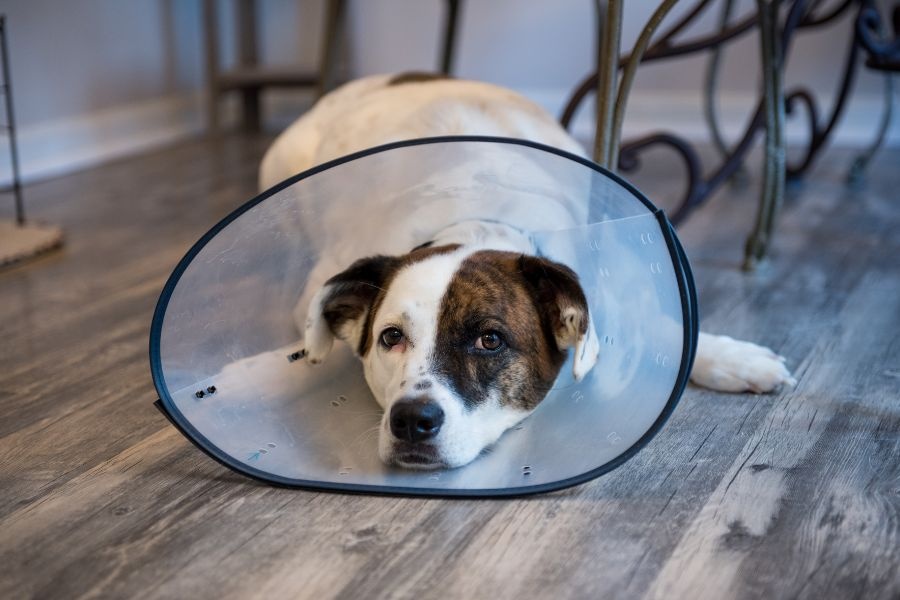
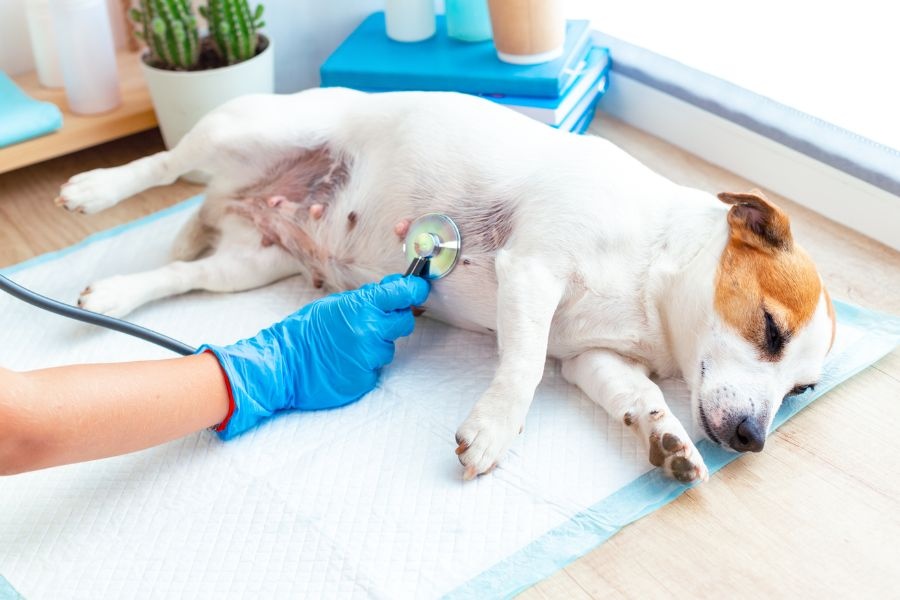
When a dog or cat develops ongoing or unusual health changes, finding the cause can sometimes require more than a physical examination. Symptoms such as weight loss, repeated vomiting, changes in thirst, unusual tiredness, coughing, or changes in behavior can have many possible explanations. In complex cases, veterinarians may need additional information to understand what is happening inside the body.
This is where pet diagnostic care becomes especially valuable. Advanced diagnostic testing gives veterinarians additional tools for investigating complicated health concerns and connecting clinical signs with what is happening internally. For families in South Burlington, Dorset Street Animal Hospital can help evaluate these concerns and determine which diagnostic approach may provide the most useful information for a particular pet.
Why Complex Health Cases Can Be Difficult to Diagnose
Pets cannot describe pain, nausea, weakness, dizziness, or other sensations in words. Instead, owners and veterinarians must interpret physical and behavioral changes. Some diseases also produce signs that overlap with several different conditions.
For example, reduced appetite could be related to digestive discomfort, dental problems, organ disease, pain, stress, or another underlying issue. Increased thirst can also have multiple possible causes.
A veterinarian begins the diagnostic process by collecting information about the pet’s history and current symptoms. A physical examination can reveal important clues, but additional testing may be necessary when the findings do not provide a complete explanation.
The purpose of testing is not simply to collect more information. It is to answer specific medical questions and help guide appropriate care.
What Advanced Diagnostic Testing Means
Advanced diagnostic testing refers to specialized evaluations that provide more detailed information than a basic physical examination alone. Depending on the situation, this may include laboratory testing, diagnostic imaging, specialized blood analysis, urine testing, or other evaluations.
Different tests answer different questions.
Laboratory testing can provide insight into organ function, blood cell levels, metabolic changes, inflammation, and other internal processes. Diagnostic imaging can allow veterinarians to examine structures inside the body.
Radiographs can provide useful information about bones, the chest, and certain abdominal structures. Ultrasound can provide detailed views of soft tissues and internal organs. Other specialized tests may be considered when a veterinarian needs more specific information.
The appropriate combination depends on the individual patient.
When a Pet May Need More Detailed Testing
Advanced diagnostic testing may be considered when symptoms continue without an obvious explanation or when initial findings point toward a more complicated condition.
Some situations that may lead to additional testing include:
- Persistent weight loss
- Repeated vomiting or diarrhea
- Ongoing changes in appetite
- Increased thirst or urination
- Persistent coughing or breathing changes
- Unexplained weakness or fatigue
- Changes in mobility or comfort
- Abnormal laboratory findings
- Changes identified during a physical examination
- Monitoring of a known medical condition
A veterinarian may also recommend additional testing when several symptoms appear together. Multiple signs can provide important clues about which body systems may be involved.
How Veterinarians Build a Diagnostic Plan
A thoughtful diagnostic plan usually develops in stages. The veterinarian first considers the pet’s age, breed, medical history, medications, lifestyle, symptoms, and recent changes.
The physical examination adds another layer of information. The veterinarian may assess the pet’s heart and lungs, abdomen, muscles, joints, skin, eyes, mouth, and other areas depending on the presenting concern.
Initial laboratory testing may then help evaluate internal body functions. If those results suggest a possible problem, additional testing can be selected to investigate that concern more closely.
For example, an abnormal laboratory finding could lead to diagnostic imaging. Conversely, an unusual finding during an imaging study could lead to additional laboratory analysis.
This approach allows testing to be purposeful rather than relying on a single diagnostic tool.
How Imaging Supports Complex Cases
Diagnostic imaging can be particularly helpful when a health concern involves internal structures that cannot be evaluated through a physical examination alone.
Radiographs may help veterinarians evaluate changes involving bones, the chest, or certain areas of the abdomen. They can be useful when investigating injuries, changes in organ size, or other structural concerns.
Ultrasound provides another type of information. It can allow the veterinary team to examine organs and soft tissues in greater detail and observe certain internal structures while they are being evaluated.
The decision to use one imaging method or another depends on the symptoms and the questions the veterinarian needs to answer.
In some complex cases, more than one diagnostic method may be useful because each provides a different view of the patient’s condition.
The Value of Laboratory Testing
Laboratory testing remains an important component of comprehensive pet diagnostic care. Blood and urine testing can provide information that is not available through observation alone.
For example, laboratory results may help veterinarians evaluate kidney function, liver function, blood cell levels, blood sugar, hydration, and other indicators.
Laboratory findings can also help establish a baseline for future comparison. If a pet develops a new health concern later, previous results may help the veterinarian identify meaningful changes.
However, laboratory values should always be interpreted in context. One abnormal result does not automatically identify a specific disease. The veterinarian considers the result alongside the pet’s symptoms, physical examination, medical history, and other findings.
Why Advanced Testing Can Be Important for Senior Pets
Older dogs and cats may develop several health concerns at the same time. A senior pet experiencing weight loss and reduced activity, for example, could have changes involving multiple body systems.
Advanced diagnostic testing can help separate overlapping symptoms and provide more specific information.
Regular monitoring can also make it easier to identify changes over time. Comparing current findings with previous records may help veterinarians recognize patterns that would be difficult to identify from a single appointment.
For senior pets, this ongoing information can be especially useful when deciding whether a change is related to normal aging or requires additional investigation.
What Pet Parents Can Do Before the Appointment
Pet owners play an important role in the diagnostic process. Before visiting the veterinary team, make a note of changes you have observed.
Consider recording changes in:
- Appetite
- Water consumption
- Urination
- Bowel movements
- Activity levels
- Sleep patterns
- Weight
- Breathing
- Behavior
- Mobility
Also provide information about current medications, supplements, previous medical conditions, and recent veterinary visits.
If possible, bring previous laboratory results or medical records from other veterinary hospitals. Comparing older and newer information can provide valuable context.
Understanding What Diagnostic Results Mean
Receiving a recommendation for advanced diagnostic testing does not automatically mean that a serious condition has been identified. Testing is often used because the veterinarian needs more information before reaching a conclusion.
Results may help confirm a suspected condition, rule out certain possibilities, identify an unexpected finding, or determine that monitoring is appropriate.
Your veterinarian may also recommend follow up testing when a result needs to be evaluated over time. In some cases, changes become clearer when results from multiple appointments are compared.
The goal is to build a more complete picture of your pet’s health and use that information to guide the next step.
Supporting Complex Pet Health Cases in South Burlington
Complex health concerns can be stressful for pet owners, particularly when symptoms are subtle or several issues occur at once. A structured diagnostic process can help turn scattered symptoms into useful clinical information.
At Dorset Street Animal Hospital, pet parents in South Burlington can discuss changes in their dog’s or cat’s health with a veterinary team and learn whether additional diagnostic evaluation may be appropriate.
Advanced diagnostic testing is most valuable when it is selected for a specific reason. By combining medical history, physical examination findings, laboratory results, imaging, and ongoing observation, veterinarians can develop a clearer understanding of complicated health concerns.
Schedule an Appointment for Pet Diagnostic Care
Has your pet developed unexplained changes in appetite, weight, energy, behavior, digestion, or daily habits? Schedule an online appointment with Dorset Street Animal Hospital in South Burlington to discuss your concerns.
A veterinary evaluation can help determine whether your pet needs routine monitoring, laboratory testing, diagnostic imaging, or more advanced diagnostic testing. Contact the hospital to arrange an appointment and take the next step toward understanding your pet’s health.
Frequently Asked Questions
Q1. When might a veterinarian recommend advanced diagnostic testing for a pet?
Ans: A veterinarian may recommend additional testing when symptoms persist, initial results are abnormal, several symptoms occur together, or the physical examination suggests that more information is needed to understand the condition.
Q2. Is advanced diagnostic testing necessary for every sick dog or cat?
Ans: No. Testing is selected according to the individual pet’s symptoms, history, physical findings, age, and initial results. Some concerns can be evaluated with a physical examination and routine testing, while others require additional investigation.
Q3. Can diagnostic imaging and laboratory testing be used together?
Ans: Yes. Laboratory testing and imaging provide different types of information and can complement each other. A veterinarian may use both when evaluating a complex health concern.
Q4. Can advanced testing help identify a condition that has subtle symptoms?
Ans: Additional testing can sometimes reveal internal changes that are not obvious from outward signs alone. This can help veterinarians investigate subtle or unexplained health changes more thoroughly.
Q5. How should I prepare for my pet’s diagnostic appointment?
Ans: Keep track of recent changes in appetite, drinking, urination, digestion, activity, behavior, and weight. Bring information about medications, previous health concerns, and recent medical records so the veterinary team has as much useful context as possible.