For many cat owners, hearing that their pet needs surgery can be stressful. Questions about safety, recovery, and outcomes are completely natural. Fortunately, veterinary medicine has advanced significantly over the years, making cat surgery safer and more precise than ever before.
Modern surgical techniques, improved diagnostic tools, advanced monitoring equipment, and carefully planned recovery protocols all contribute to better outcomes for feline patients. Today’s veterinary teams focus on every stage of the surgical process, from preparation to recovery, helping cats receive the highest standard of care.
Better Diagnostics Lead to Better Surgical Planning
Successful surgery starts long before your cat enters the operating room.
Veterinarians use comprehensive examinations and diagnostic testing to better understand your cat’s overall health before recommending a procedure. These evaluations help identify underlying concerns, determine the most appropriate surgical approach, and develop a personalized treatment plan.
Careful planning allows the veterinary team to make informed decisions that support your cat throughout the procedure.
Advanced Monitoring Improves Patient Safety
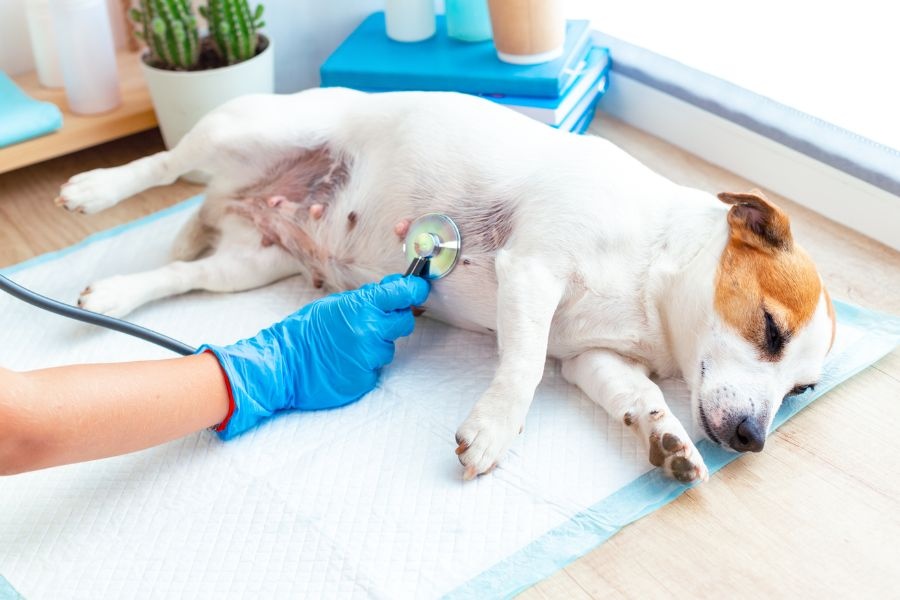
Modern surgical monitoring has greatly improved the way veterinarians care for cats during procedures.
Throughout veterinary surgery, trained veterinary professionals closely observe important health indicators, including:
- Heart rate
- Breathing
- Blood pressure
- Oxygen levels
- Body temperature
Continuous monitoring allows the team to respond quickly to changes and helps maintain a stable surgical environment from beginning to end.
Precision Techniques Support Better Outcomes
Veterinary surgery has become increasingly precise thanks to improved instruments and refined surgical techniques.
Smaller, more accurate incisions help veterinarians perform procedures with greater control while minimizing unnecessary tissue disruption whenever possible.
This precision often supports:
- Reduced tissue trauma
- Improved healing
- Greater surgical accuracy
- Better overall patient comfort
Every procedure is carefully tailored to your cat’s individual needs.
Pain Management Has Continued to Improve
Comfort plays an important role in recovery.
Modern veterinary medicine places significant emphasis on pain management before, during, and after surgery. Veterinarians develop individualized pain control plans based on your cat’s procedure, age, health status, and recovery needs.
Supporting comfort throughout the healing process encourages eating, resting, and returning to normal activity as recovery progresses.
Recovery Is Carefully Managed
Surgery doesn’t end when the procedure is complete.
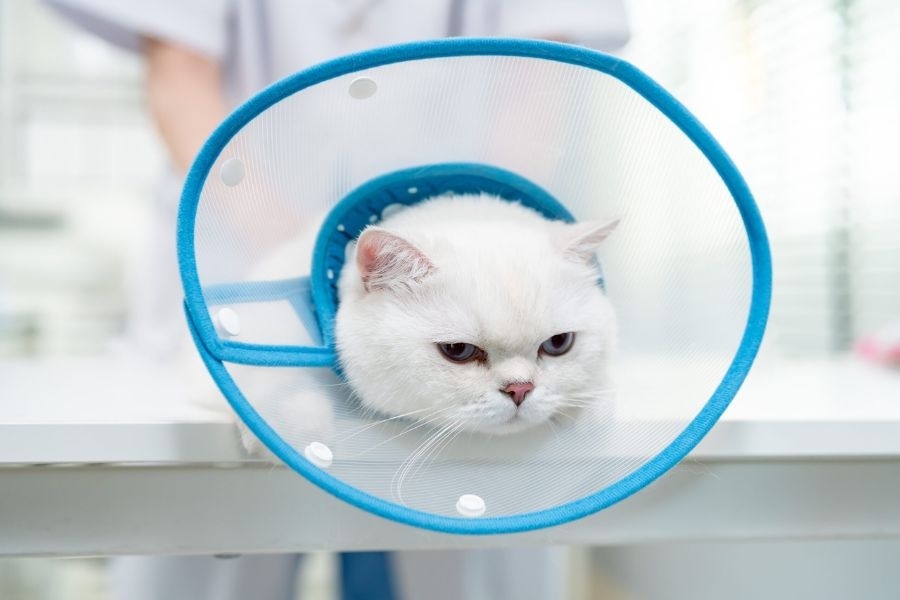
The recovery period is closely supervised to ensure your cat wakes comfortably and remains stable before returning home.
Pet owners also receive detailed instructions covering:
- Activity restrictions
- Feeding recommendations
- Medication schedules
- Incision care
- Follow-up appointments
Following these instructions carefully helps promote a smooth healing process.
Every Cat Receives Individualized Care
No two cats are exactly alike.
Age, breed, medical history, body condition, and lifestyle all influence surgical planning. Rather than using the same approach for every patient, veterinarians customize each treatment plan based on the individual cat.
This personalized approach helps support both safety and long-term health.
The Importance of Early Evaluation
Sometimes owners delay recommended surgery because they hope a problem will resolve on its own. However, many conditions become more difficult to treat if they continue to progress.
Seeking veterinary evaluation when changes are first noticed allows your veterinarian to determine whether surgery is necessary and discuss available treatment options before the condition worsens.
Early intervention often provides more options and supports better recovery.
Partnering With Your Veterinary Team
Successful surgery depends on teamwork between pet owners and veterinary professionals.
Before surgery, don’t hesitate to ask questions about the procedure, recovery expectations, home care, or follow-up visits. Understanding each step of the process can help reduce anxiety and prepare you to support your cat during recovery.
For families in South Burlington, choosing a veterinary team that prioritizes careful planning, advanced monitoring, and individualized care provides added confidence when surgery becomes necessary.
At Dorset Street Animal Hospital, we’re committed to providing compassionate cat surgery supported by modern veterinary techniques and personalized care. If your cat has been diagnosed with a condition that may require surgery, schedule an online appointment with our experienced team to discuss your pet’s needs and treatment options.
Frequently Asked Questions
Q1. Is modern cat surgery safer than it was in the past?
Ans: Yes. Advances in veterinary medicine, improved monitoring equipment, better diagnostic testing, refined surgical techniques, and personalized recovery plans have all contributed to safer surgical care for cats.
Q2. Why are diagnostic tests performed before surgery?
Ans: Pre-surgical diagnostic testing helps veterinarians evaluate your cat’s overall health, identify underlying conditions, and develop the safest and most appropriate surgical plan for each individual patient.
Q3. How can I help my cat recover comfortably at home?
Ans: Follow all discharge instructions carefully, provide a quiet recovery space, limit activity as directed, monitor the surgical site, and attend scheduled follow-up visits to support proper healing.
Q4. Will every cat have the same recovery experience?
Ans: No. Recovery depends on the type of surgery, your cat’s age, overall health, and how well postoperative instructions are followed. Your veterinarian will explain what to expect for your pet’s specific procedure.
Q5. When should I discuss surgery with my veterinarian?
Ans: If your veterinarian recommends surgery after examining your cat or reviewing diagnostic findings, it’s helpful to discuss the procedure promptly so you fully understand the benefits, recovery process, and available treatment options.