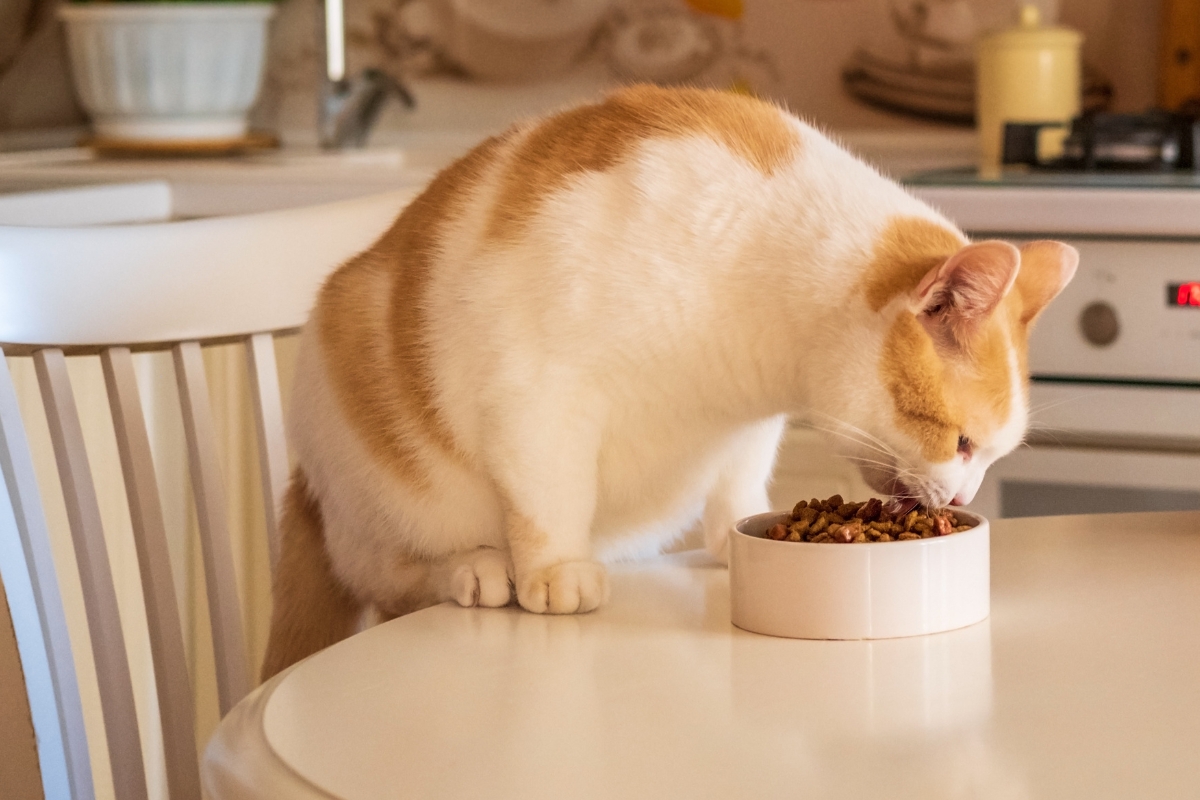
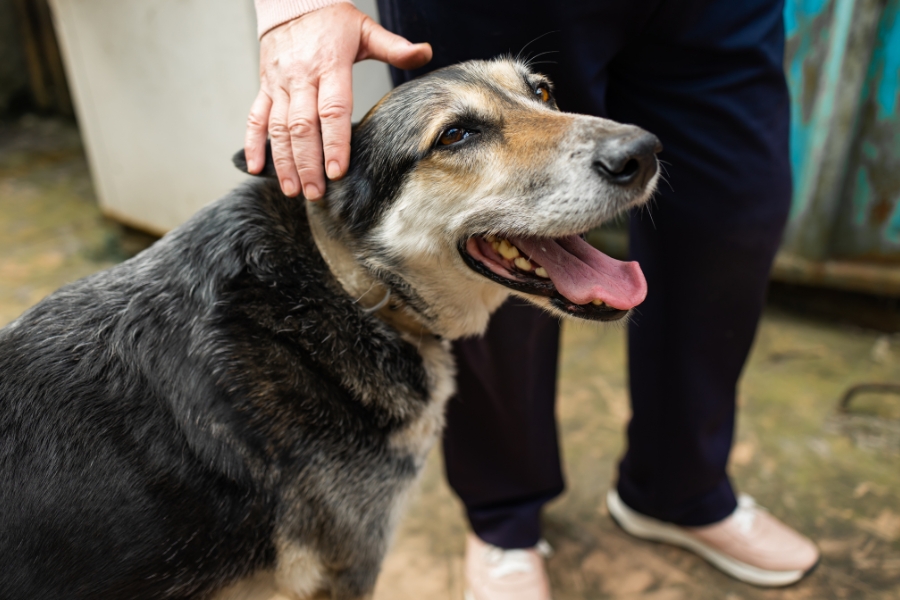
As dogs age, their needs begin to shift significantly. Just like humans, senior dogs require specialized attention to maintain their health, happiness, and overall quality of life. From dietary adjustments to gentle exercise, there are multiple strategies that can help your aging companion remain active and comfortable. By implementing a thoughtful care routine, you can make your senior dog’s golden years joyful and stress-free. This guide provides a detailed, step-by-step approach to senior dog care, specifically tailored for pet parents in South Burlington, VT.
1. Adjust Their Diet for Aging Needs
Proper nutrition is a cornerstone of senior dog care. As your dog’s metabolism slows, they may need fewer calories but more targeted nutrients to support aging muscles, joints, and organs.
Tips for a senior-friendly diet:
- High-quality protein: Helps maintain lean muscle mass and supports organ function.
- Joint support: Ingredients like glucosamine and chondroitin promote joint flexibility and comfort.
- Digestive health: Fiber and probiotics encourage regular bowel movements and gut health.
- Antioxidants: Vitamins E and C boost immune function and help combat cellular aging.
Always provide fresh water and avoid feeding rich human foods, which may lead to weight gain or digestive upset. Transition gradually to senior dog food to prevent stomach issues.
2. Keep Them Moving with Gentle Exercise
Even older dogs benefit from regular activity. Exercise keeps muscles strong, maintains joint flexibility, and supports cardiovascular health.
Recommended activities include:
- Short, daily walks
- Gentle play with soft toys
- Swimming for low-impact joint movement
- Mental stimulation through puzzle toys or scent games
However, always observe your dog carefully. Reduce activity if they show signs of discomfort, fatigue, or stiffness, and consult your veterinarian for personalized guidance.
3. Schedule Regular Veterinary Check-Ups
Routine veterinary visits become even more crucial as your dog ages. Most senior dogs benefit from biannual check-ups to catch health issues early.
During these visits, your veterinarian can:
- Monitor for arthritis, diabetes, kidney disease, and other age-related conditions
- Update vaccinations
- Perform dental examinations and cleanings
- Adjust medications or supplements as needed
Proactive monitoring allows timely treatment and ensures your dog remains as healthy and comfortable as possible.
4. Create a Comfortable Home Environment
A senior dog’s home environment greatly affects their quality of life. Simple changes can help reduce pain, prevent injuries, and improve overall comfort.
Suggestions include:
- Orthopedic beds: Support aching joints and promote restful sleep.
- Ramps or stairs: Help your dog access furniture or beds safely.
- Non-slip rugs: Prevent slips on smooth flooring.
- Raised bowls: Ease strain on the neck and spine during meals.
Additionally, designate a quiet area for rest, away from drafts and noise, to help them feel secure.
5. Maintain Excellent Dental Health
Oral care is often overlooked but critical for senior dogs. Dental issues can cause pain, affect appetite, and contribute to systemic infections.
Ways to support dental health:
- Brush teeth regularly with dog dental care products
- Provide veterinarian-approved dental chews
- Schedule professional cleanings when necessary
Healthy teeth and gums directly contribute to your dog’s comfort and overall quality of life.
6. Monitor Behavior and Cognitive Health
Behavioral changes are common in senior dogs. Look out for signs of:
- Confusion or disorientation
- Increased anxiety or restlessness
- Changes in sleep patterns
- Loss of interest in usual activities
These changes may indicate cognitive decline, sensory loss, or chronic pain. Consult your veterinarian for possible treatments, which can include supplements, medications, or environmental modifications.
7. Provide Love, Patience, and Companionship
Finally, emotional support is just as important as physical care. Maintain a consistent routine, spend quality time together, and offer gentle affection. Your presence and patience help your senior dog feel secure and valued, enhancing their happiness and mental well-being.
8. Additional Tips to Boost Quality of Life
- Maintain a healthy weight: Prevents stress on joints and supports longevity.
- Environmental enrichment: Toys, gentle play, and puzzle feeders stimulate their mind.
- Pain management: Discuss options with your vet, including medications, supplements, or physical therapy.
Caring for a senior dog requires attention, patience, and thoughtful adjustments to their lifestyle. By focusing on proper nutrition, gentle exercise, dental care, veterinary check-ups, and emotional support, you can significantly enhance your senior dog’s quality of life. If you are in South Burlington, VT and looking for guidance related to senior dog care, contact Dorset Street Animal Hospital. Our experienced team is here to support your dog’s health, comfort, and happiness at every stage of life.
FAQs
Q1. At what age is a dog considered senior?
Ans. Most dogs are considered senior around 7 years old, though this can vary by breed and size.
Q2. What food is best for a senior dog?
Ans. High-quality protein, joint supplements like glucosamine, low-fat content, and added fiber and antioxidants are ideal for senior dogs.
Q3. How often should senior dogs visit the vet?
Ans. Every six months is recommended to monitor health and catch age-related conditions early.
Q4. Can senior dogs still learn new things?
Ans. Yes! Senior dogs can learn new tricks and commands, though training sessions should be short and positive.
Q5. How can I help my senior dog with arthritis?
Ans. Provide soft bedding, joint supplements, maintain a healthy weight, and consult your vet about pain management options.
Q6. Is it normal for senior dogs to sleep more?
Ans. Yes, older dogs often sleep more, but excessive lethargy or behavior changes may indicate a health problem.