As our cats grow older, they deserve the best care to ensure they stay happy, comfortable, and healthy. Senior cats, just like elderly humans, can experience a variety of health changes, but with the right attention, they can continue to enjoy a fulfilling life. If you’re a pet parent in South Burlington, VT, or nearby areas, understanding how to meet the needs of your senior cat can make all the difference in their well-being. This blog will guide you through practical, easy ways to improve your senior cat’s health and happiness.
1. Regular Vet Check-Ups
One of the best ways to ensure your senior cat remains healthy is through regular veterinary check-ups. Cats age differently from humans, so their health needs change over time. Routine vet visits allow the team at Dorset Street Animal Hospital to monitor your cat’s health, catch any potential issues early, and provide preventive care.
Why It Matters: Senior cats are at higher risk for diseases such as arthritis, kidney disease, and dental problems. Regular visits ensure that these conditions are detected early and managed appropriately.
2. Maintain a Balanced Diet
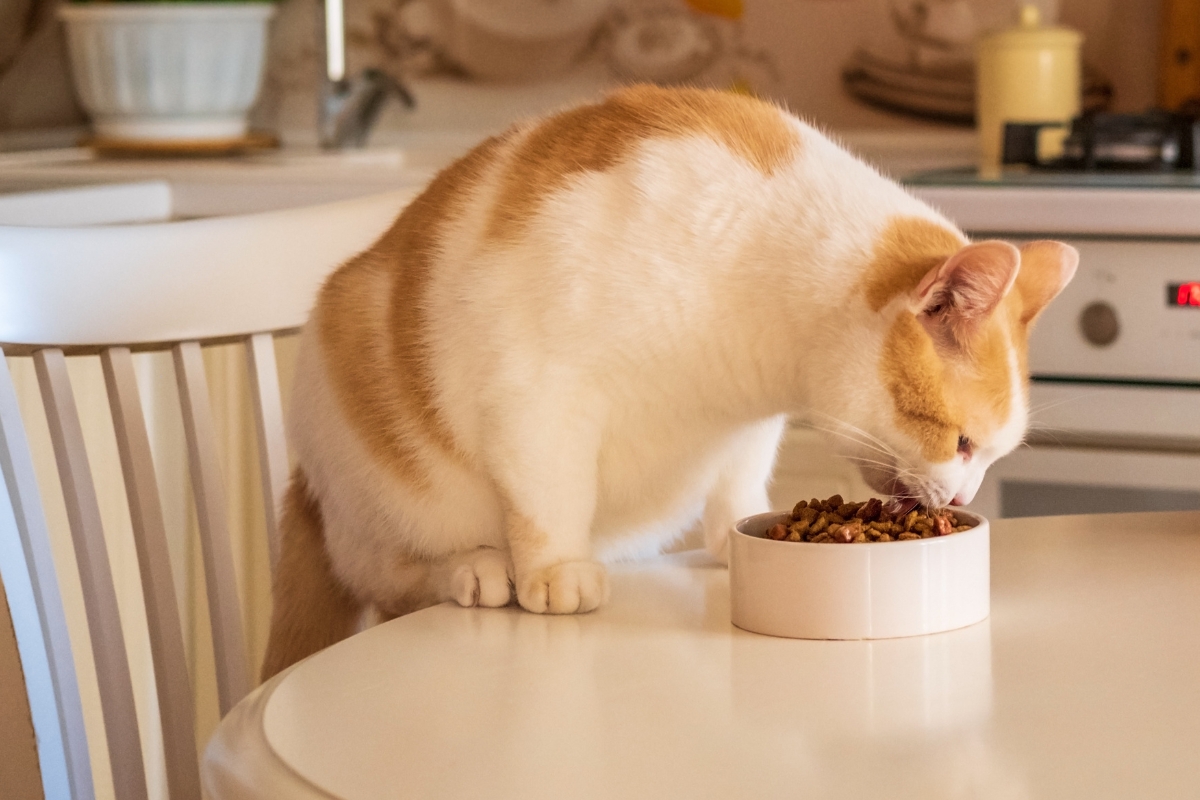
Proper nutrition is crucial for maintaining your cat’s health in their golden years. Senior cats may have different dietary needs than younger cats due to slower metabolism or health concerns like kidney or heart disease.
How to Do It: Look for a high-quality, age-appropriate cat food formulated for senior cats. These formulas are specifically designed to provide the right balance of nutrients, protein, and fiber to support your cat’s changing metabolism. Your vet can recommend the best diet for your cat’s specific needs.
Tip: If your senior cat has trouble chewing, consider softening their food with a little water or switching to wet food. This can help ensure they get all the necessary nutrients without strain.
3. Provide Proper Hydration
Hydration is key to your cat’s health, especially for older cats. Many senior cats are prone to dehydration, which can exacerbate health issues like kidney disease.
How to Do It: Make sure your cat has access to fresh water at all times. You can also try offering wet food, which contains more moisture than dry kibble. Consider investing in a cat water fountain, as some cats prefer running water, which can encourage them to drink more.
4. Exercise and Mental Stimulation
Though senior cats may not be as playful as they once were, regular exercise and mental stimulation are essential to keep them physically and mentally healthy.
How to Do It: Provide toys that engage your cat’s hunting instincts, such as interactive toys or puzzle feeders. Light play sessions a few times a day will keep your cat active and mentally sharp. If your cat prefers a more laid-back lifestyle, consider placing climbing trees or cat perches near windows so they can watch birds and squirrels outside.
Tip: Senior cats can benefit from shorter play sessions, as they may tire easily. Keep things simple but engaging.
5. Grooming and Nail Care
As cats age, they may not groom themselves as thoroughly as they did in their younger years. This can lead to matted fur, especially in longer-haired breeds.
How to Do It: Brush your senior cat regularly to keep their coat clean and prevent mats. This will also help reduce shedding and hairballs. Additionally, check their nails frequently and trim them as needed, especially if your cat isn’t as active as they used to be and their nails don’t wear down naturally.
6. Dental Care
Dental health often takes a backseat when it comes to senior cat care, but it’s crucial for maintaining their overall health. Dental disease can lead to pain, tooth loss, and infections that affect your cat’s general well-being.
How to Do It: Brush your cat’s teeth with a cat-safe toothbrush and toothpaste. You can also ask your vet about professional dental cleanings. If brushing isn’t possible, try dental treats or food designed to help keep your cat’s teeth clean.
7. Monitor Weight and Mobility
As cats age, they may become less active, which can lead to weight gain. Additionally, arthritis can make movement difficult. Regularly monitoring your cat’s weight and mobility can help prevent or manage these common age-related issues.
How to Do It: Keep track of your cat’s weight and adjust their diet as necessary. Ensure they have easy access to their litter box, food, and water dishes. You may also want to add ramps or stairs if your cat has trouble jumping onto furniture or into the bed.
8. Create a Comfortable Environment
Senior cats often prefer a quiet, cozy spot to relax, as they may be more sensitive to changes in their environment. Make sure your cat has a comfortable place to rest where they feel safe and secure.
How to Do It: Provide soft, warm bedding in a quiet, low-traffic area of your home. Consider placing a heating pad under their bed to keep them warm, especially if they suffer from arthritis or joint pain. Make sure their favorite spots are easily accessible.
9. Watch for Signs of Illness
Senior cats may be more prone to various health problems, and since they can’t vocalize their discomfort, it’s important to watch for subtle signs that something might be wrong.
Signs to Watch For:
- Weight loss or sudden weight gain
- Increased or decreased appetite
- Lethargy or reluctance to move
- Changes in litter box habits (e.g., accidents outside the box)
- Difficulty breathing or coughing
If you notice any of these signs, contact your vet immediately to schedule an exam.
Caring for a senior cat requires special attention, but the effort you put into their health and happiness will be well worth it. By following these simple tips, you can ensure your feline companion enjoys their golden years to the fullest.
If you’re in South Burlington and looking for senior cat care near you, contact Dorset Street Animal Hospital. Our veterinary team is here to help your cat stay healthy and happy for many years to come.
FAQs
Q1. How can I tell if my senior cat is in pain?
Senior cats may show subtle signs of pain, such as reduced activity, changes in grooming habits, difficulty jumping, or increased irritability. If you notice any of these signs, it’s best to consult with your vet for an evaluation.
Q2. Is it necessary to change my senior cat’s diet?
Ans. Yes, as cats age, their nutritional needs change. Senior cat food is formulated to provide the right balance of nutrients to support their health, including joint support and easier digestion. Consult your vet to find the best diet for your cat’s specific needs.
Q3. How can I improve my senior cat’s mobility?
Ans. To help with mobility, ensure your cat has a comfortable resting area, avoid high jumps, and provide ramps or steps if needed. Regular light exercise can also help maintain their strength, but always consult your vet before starting any new activity.
Q4. How often should I groom my senior cat?
Ans. Grooming is important for senior cats, especially if they have long fur. Brush them regularly to prevent mats, keep their coat healthy, and reduce shedding. Cats may also need their nails trimmed more often as they become less active.
Q5. How can I help my senior cat stay hydrated?
Ans. Senior cats are more prone to dehydration. Make sure they always have access to fresh water, and consider offering wet food to increase moisture intake. A cat water fountain can also encourage your cat to drink more.
Q6. What are common health issues in senior cats?
Ans. Senior cats may experience issues like arthritis, dental disease, kidney disease, and weight changes. Regular vet visits are crucial to catch these problems early and ensure your cat stays as healthy and comfortable as possible.