
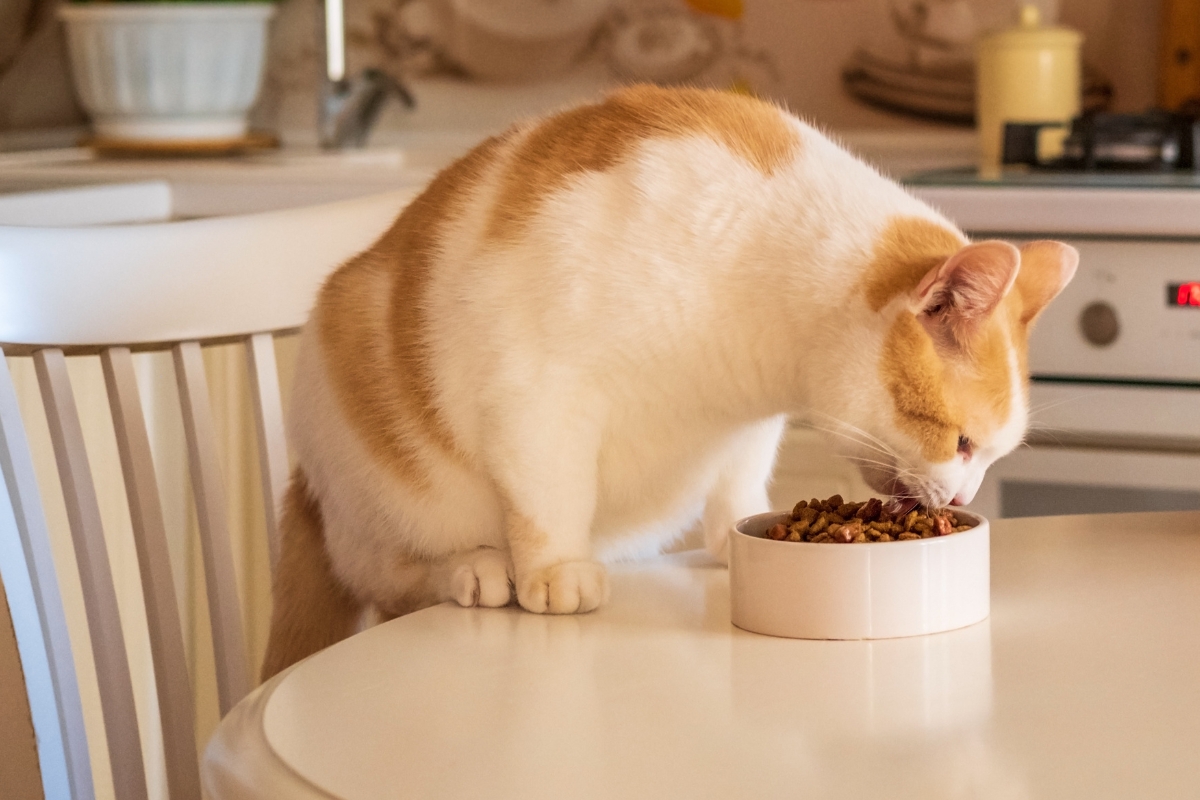
As cats age, their nutritional needs change significantly. Just like humans, senior cats experience slower metabolism, decreased activity, and a higher risk of age-related health concerns. Providing the right nutrition helps your feline companion stay active, healthy, and happy during their golden years. However, knowing what to feed an aging cat can be challenging. In this comprehensive guide, we’ll break down the essentials of senior cat nutrition and offer practical tips for pet parents to ensure their cat thrives. This guide is especially for cat owners in South Burlington, VT.
Understanding the Nutritional Needs of Senior Cats
Cats are generally considered seniors between 7 and 10 years of age. During this stage, their bodies undergo changes such as reduced muscle mass, slower metabolism, and potential kidney or dental issues. As a result, their diet must be adjusted to support overall health and vitality.
A proper senior cat diet should include:
- High-quality protein to preserve lean muscle mass
- Moderate fat levels to prevent obesity without causing energy loss
- Fiber to maintain healthy digestion
- Vitamins and antioxidants to support the immune system
- Hydration support to protect kidney function
1. High-Quality Protein: Maintaining Muscle Mass
Protein is the most critical nutrient for senior cats. As cats age, their ability to digest and absorb nutrients declines, making protein quality essential. Look for sources such as chicken, turkey, or fish that are highly digestible.
Benefits of protein-rich diets:
- Maintains lean muscle mass
- Supports organ function
- Enhances immune response
For senior cats with kidney concerns, your veterinarian may recommend adjusted protein levels to maintain nutrition without overloading the kidneys.
2. Controlled Fat Levels for Weight Management
Older cats tend to burn fewer calories due to reduced activity. Overfeeding fat can lead to obesity, increasing risks of diabetes, arthritis, and heart issues. Conversely, too little fat may result in weight loss and lethargy.
Moderate fat content in a senior cat diet helps maintain energy without contributing to excess weight. Incorporating healthy fats like omega-3 and omega-6 fatty acids also promotes joint health, a shiny coat, and cognitive function.
3. Fiber and Digestive Health
Digestive sensitivity is common in aging cats. Fiber helps regulate bowel movements, prevents constipation, and improves nutrient absorption. Natural fiber sources such as beet pulp or pumpkin are excellent choices.
Additionally, probiotics can support gut flora, improving digestion and overall nutrient assimilation. A healthy digestive system is critical for your senior cat’s long-term wellbeing.
4. Hydration and Kidney Support
Kidney disease is prevalent in older cats, making hydration essential. Wet or canned cat food provides extra moisture, reducing the risk of dehydration. Encourage water intake with multiple fresh water sources or a cat water fountain.
Proper hydration supports:
- Kidney health
- Digestion
- Overall vitality
5. Essential Vitamins and Minerals
Aging cats require extra nutrients to combat age-related decline. Important vitamins and minerals include:
- Vitamin E and C: Antioxidants for immune support
- Taurine: Supports heart and vision health
- Calcium and phosphorus: Maintain bone strength
- B vitamins: Boost energy and metabolism
Consult your veterinarian about supplements if your cat’s diet lacks key nutrients.
6. Omega Fatty Acids for Skin and Joint Health
Omega-3 fatty acids, typically from fish oil, reduce inflammation, support joint mobility, and maintain a healthy coat. This is particularly beneficial for cats experiencing stiffness or arthritis. Omega-6 fatty acids complement this by promoting healthy skin and coat.
7. Veterinary Guidance Is Key
Every senior cat is unique. Health issues such as diabetes, thyroid disease, or kidney problems require tailored diets. Regular veterinary checkups allow your vet to:
- Assess your cat’s weight and body condition
- Recommend the best senior cat diet
- Monitor underlying conditions
Always transition your cat to new food gradually to avoid digestive upset.
8. Monitoring and Adjusting Diet Over Time
As cats age, their preferences and needs may change. Monitor for:
- Weight loss or gain
- Changes in appetite
- Signs of digestive upset
Adjust feeding strategies accordingly, and maintain regular vet consultations to optimize health outcomes.
9. Tips for Feeding Senior Cats
- Offer small, frequent meals to aid digestion
- Combine wet and dry food for hydration and dental benefits
- Avoid feeding human food that may be harmful
- Introduce supplements only under veterinary guidance
Proper nutrition is a cornerstone of senior cat care. By focusing on high-quality protein, balanced fats, fiber, vitamins, and hydration, you can significantly improve your cat’s comfort, mobility, and overall health. Every senior cat deserves a diet that supports longevity and vitality.
If you are in South Burlington, VT and need guidance related to senior cat care, contact at Dorset Street Animal Hospital. Our veterinary team is here to create a personalized nutrition plan to ensure your cat’s golden years are happy and healthy.
FAQs
Q1. When should I start feeding my cat senior food?
Ans. Most cats benefit from senior-specific diets between 7-10 years of age, depending on breed and health.
Q2. Can I feed my senior cat adult cat food?
Ans. Adult cat food is suitable for some seniors, but specialized senior formulas address age-related nutritional needs more effectively.
Q3. How much protein should my senior cat eat?
Ans. Protein needs vary, but high-quality, easily digestible protein is essential to maintain muscle mass and overall health.
Q4. Are wet foods better for senior cats?
Ans. Wet foods help with hydration, kidney health, and are easier to chew, making them ideal for older cats.
Q5. What supplements should senior cats take?
Ans. Only under veterinary guidance. Supplements like omega-3 fatty acids or vitamins may be recommended if the diet lacks essential nutrients.
Q6. How often should senior cats see a vet for nutrition assessment?
Ans. At least every six months, or more frequently if health issues arise, to ensure optimal diet and wellbeing.