A pet’s health can change gradually, and sometimes the most useful information about a new concern comes from something that happened months or years earlier. Previous blood work, imaging reports, laboratory findings, and other diagnostic results can give veterinarians a valuable reference point when evaluating new changes.
Instead of looking at a recent result by itself, a veterinarian can compare it with earlier information to determine whether a finding is new, longstanding, improving, or becoming more noticeable. This comparison can make the diagnostic process more informative and help guide decisions about additional testing.
For pet owners in South Burlington, keeping track of previous medical records can therefore be an important part of ongoing pet diagnostic care. At Dorset Street Animal Hospital, historical information can provide useful context when evaluating changes in a dog’s or cat’s health.
A Single Test Result Does Not Always Tell the Full Story
Diagnostic results provide information at a specific point in time. A laboratory value may be within an expected range during one visit and different during another. An imaging study may show a particular finding that later changes or remains stable.
Looking at one result without considering previous information can make interpretation more difficult.
For example, a veterinarian may notice that a laboratory value is slightly different from a recent result. The change may have greater significance if earlier records show a consistent upward or downward pattern. On the other hand, if similar values have appeared repeatedly over several years, the finding may represent an established pattern rather than a completely new development.
Historical comparisons help put current information into perspective.
Trends Can Be More Informative Than Individual Numbers
One of the major benefits of previous diagnostic results is the ability to identify trends.
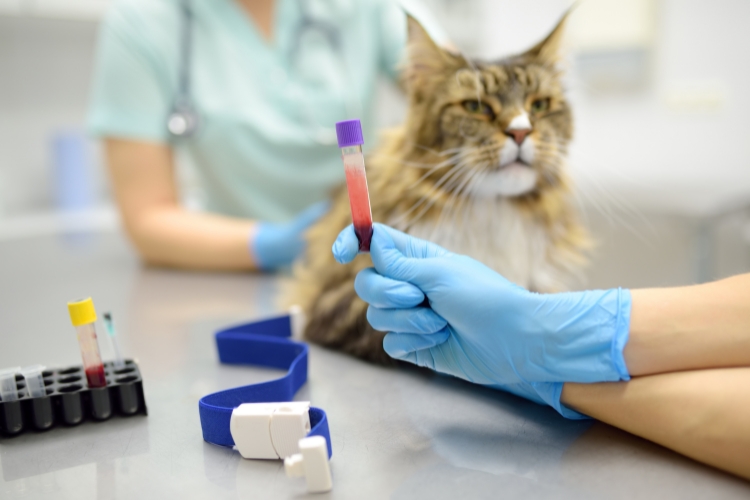
Suppose a pet has had periodic blood testing over several visits. A veterinarian can compare the results to determine whether certain measurements have remained relatively stable or changed gradually.
A gradual trend may lead to a different diagnostic approach than a sudden change.
This does not mean that every change indicates a serious health concern. Normal variation can occur, and results need to be interpreted alongside the pet’s age, physical examination, symptoms, medical history, and other information.
The important point is that previous records provide a reference that can help the veterinarian understand what is normal for that individual pet.
Previous Results Can Establish a Personal Baseline
Pets, like people, can have individual differences in their normal test results. A previous diagnostic record can help establish a baseline for a particular animal.
This can be especially useful when a veterinarian evaluates a pet who has been seen regularly over time. Instead of relying only on general reference ranges, the veterinarian can also consider how the pet’s current results compare with its own previous findings.
A personal baseline can make subtle changes easier to recognize.
For instance, a result may still fall within a general laboratory reference range but be noticeably different from the pet’s previous pattern. That difference may encourage the veterinarian to monitor the finding, repeat testing, or investigate further depending on the overall clinical picture.
Medical History Gives New Symptoms More Context
Previous diagnostic results become even more useful when combined with a pet’s medical history.
A veterinarian may want to know whether the pet has experienced similar symptoms before, whether previous testing identified a concern, or whether treatment was recommended in the past.
A new symptom may have a completely different meaning depending on what happened previously.
For example, a pet with a history of digestive concerns may require a different diagnostic thought process when new appetite changes appear than a pet with no previous digestive history.
Historical records allow veterinarians to connect past and present information instead of treating every new concern as an isolated event.
Previous Imaging Can Help Identify Changes Over Time
Laboratory testing is not the only type of diagnostic information that can be compared. Previous imaging can also be valuable.
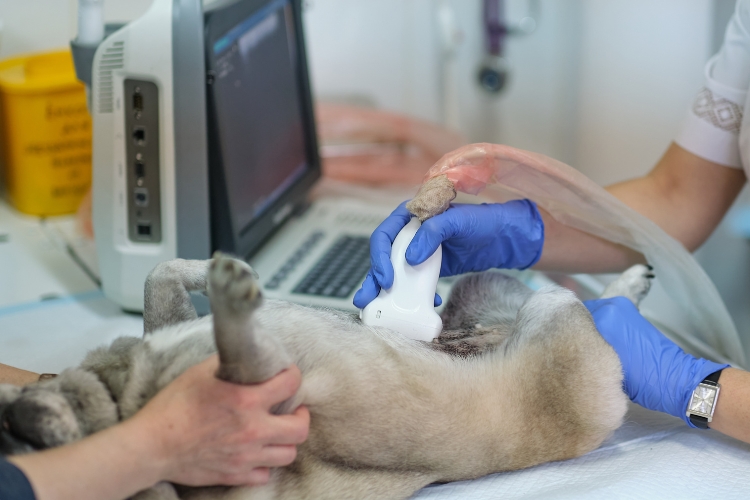
When a pet has had X-rays or other imaging in the past, current images may sometimes be compared with earlier studies. This can help a veterinarian determine whether a particular finding appears unchanged or whether there has been a noticeable difference.
Changes in size, appearance, or other characteristics may influence decisions about additional evaluation.
Having access to earlier imaging can therefore provide useful context that a new image alone cannot always provide.
Why Age Matters When Comparing Results
A pet’s age can influence how veterinarians interpret diagnostic findings. Results that may be expected in a younger animal can have a different significance as the pet grows older.
Previous records help establish how the pet’s health has developed throughout different life stages.
For an older dog or cat, long-term records can be particularly useful because they allow veterinarians to review earlier patterns and identify changes that have developed gradually.
This makes maintaining veterinary records an important part of long-term pet wellness.
Previous Testing Can Influence Advance Testing
Sometimes a veterinarian may recommend advance testing because a current finding cannot be fully explained by routine evaluation.
Previous diagnostic results can help determine which additional test may provide the most useful information.
For example, if earlier testing established a pattern involving a particular body system, new changes in that area may lead the veterinarian to focus on related diagnostics. If previous results were consistently normal but a new abnormality appears, the approach may be different.
Advance testing is therefore often more useful when it is considered within the broader history of the pet.
Repeating a Test Can Sometimes Be Valuable
Pet owners may wonder why a veterinarian would recommend repeating a test that was performed previously.
The purpose may be to determine whether a finding has changed, remained stable, or returned to an expected level.
Repeating testing can provide information about direction and timing. A single abnormal result may not answer whether something is temporary or persistent.
When combined with previous results, repeated testing can help create a clearer timeline.
This is one reason veterinarians may recommend monitoring certain findings rather than making conclusions from one result alone.
Owners Can Help by Keeping Records Available
Pet owners can make the diagnostic process easier by keeping previous veterinary records accessible. If your pet has visited another veterinary practice, moved to a new area, or undergone testing at a different facility, ask whether copies of relevant records can be transferred.
Laboratory reports, imaging results, medication histories, and previous examination notes may all provide useful background.
Owners should also mention changes they have noticed at home. Appetite, water consumption, activity, weight, bathroom habits, sleep patterns, and behavior can help the veterinarian understand what has changed since the previous visit.
The more complete the history, the easier it can be to connect previous findings with current concerns.
When New Changes Deserve Attention
A new change does not always mean that a previous condition has returned. However, changes in appetite, weight, energy, mobility, digestion, urination, breathing, or behavior should be discussed with a veterinarian when they persist or appear unusual for your pet.
Previous diagnostic information can help determine whether the change represents something new or fits into an existing pattern.
This is where ongoing pet diagnostic care becomes valuable. Veterinary care is not always about interpreting one isolated symptom or one test result. It is often about putting multiple pieces of information together.
Building a More Complete Picture of Your Pet’s Health
Previous diagnostic results provide a window into your pet’s health history. When combined with current examination findings, symptoms, and new test results, they can help veterinarians develop a more complete understanding of what may be changing.
At Dorset Street Animal Hospital in South Burlington, sharing your pet’s previous medical information can help provide important context during diagnostic evaluations. Whether the next step involves routine testing, monitoring, imaging, or advance testing, historical information can contribute to more informed decisions.
Keeping records, observing your pet at home, and communicating changes promptly can all support a more organized approach to veterinary care.
Schedule a Pet Diagnostic Consultation
If you have noticed a new change in your dog’s or cat’s health, bring any previous veterinary records or diagnostic information you have available when scheduling an appointment with Dorset Street Animal Hospital in South Burlington. Online appointment booking can provide a convenient way to discuss your concerns and determine what type of evaluation may be appropriate for your pet.
Frequently Asked Questions
Q1. Why are previous diagnostic results important for a veterinarian?
Ans: Previous results provide a reference point that can help veterinarians determine whether a current finding is new, stable, improving, or changing over time.
Q2. Can previous blood work help interpret a new abnormal result?
Ans: Yes. Comparing current blood work with previous results can help identify trends and provide additional context when evaluating a new finding.
Q3. Should I bring old veterinary records to a new veterinary hospital?
Ans: Yes. Previous examination notes, laboratory results, imaging reports, and other relevant records can give the veterinarian useful information about your pet’s medical history.
Q4. Why might a veterinarian repeat a diagnostic test?
Ans: Repeating a test can help determine whether a finding was temporary or persistent and whether it has changed since the previous evaluation.
Q5. How can previous results affect advance testing?
Ans: Previous results can help the veterinarian identify patterns and determine which additional diagnostic approach may provide useful information about a current concern.