
Cats have a reputation for being independent, resilient, and adaptable. While these traits make them fascinating companions, they can also make it difficult for pet owners to recognize when something is wrong. Unlike many dogs that openly show discomfort, cats often conceal signs of illness until a condition has progressed. This natural behavior is one reason why cat diagnostic care plays such an important role in maintaining feline health.
Many feline health conditions develop gradually and produce subtle symptoms that can easily be overlooked. Routine examinations and diagnostic testing allow veterinarians to identify potential concerns before they become more serious. Understanding why cats hide illness and how modern diagnostic tools help can empower pet owners to make informed decisions about their cat’s well-being.
Why Cats Naturally Hide Signs of Illness
Cats evolved as both predators and prey. In the wild, showing weakness could make them vulnerable to larger animals or competition from other predators. As a result, cats developed strong instincts to conceal pain, discomfort, and illness.
Even domesticated cats retain many of these survival behaviors. They may continue eating, grooming, or behaving normally despite underlying health problems. This instinctive response often delays recognition of disease and makes early detection more challenging.
Because cats are masters at masking symptoms, regular veterinary evaluations become especially important.
Subtle Signs That May Indicate a Health Problem
Although cats often hide illness, there are usually small changes that attentive owners may notice.
Some common warning signs include:
- Reduced appetite
- Increased sleeping
- Weight loss
- Changes in litter box habits
- Increased thirst
- Less interest in play
- Changes in grooming behavior
- Hiding more frequently
- Altered vocalization patterns
- Decreased mobility
These signs may seem minor individually, but they can indicate underlying medical conditions that require further evaluation.
The Importance of Cat Diagnostic Care
Detecting Problems Before Symptoms Become Severe
One of the greatest benefits of cat diagnostic care is the ability to uncover health concerns before obvious symptoms appear.
Many diseases develop silently during their early stages. Diagnostic testing allows veterinarians to identify abnormalities that may not yet be visible through a physical examination alone.
Early detection often provides:
- More treatment options
- Better long-term outcomes
- Improved comfort for pets
- Reduced risk of complications
This proactive approach can significantly impact a cat’s quality of life.
Common Conditions That Cats Frequently Hide
Kidney Disease
Kidney disease is one of the most common health conditions affecting cats, particularly as they age. Early symptoms may be subtle and easy to miss.
Diagnostic testing can identify kidney changes before significant symptoms develop, allowing veterinarians to recommend appropriate management strategies.
Thyroid Disorders
Overactive thyroid function can cause gradual weight loss, increased appetite, and behavioral changes. These symptoms often develop slowly and may be mistaken for normal aging.
Blood testing helps detect thyroid abnormalities and supports accurate diagnosis.
Diabetes
Cats with diabetes may initially show only mild increases in thirst or urination. Diagnostic screening can help identify these changes before complications arise.
Heart Conditions
Some feline heart diseases produce few outward symptoms until advanced stages. Diagnostic imaging and cardiac evaluations help veterinarians assess heart health and identify potential concerns early.
Diagnostic Tools Veterinarians Use
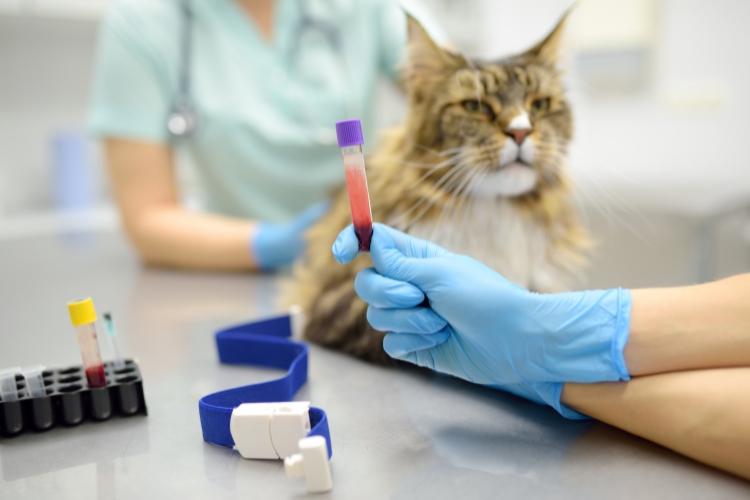
Blood Testing
Bloodwork provides valuable information about a cat’s internal health.
Routine blood tests may evaluate:
- Organ function
- Blood cell counts
- Blood sugar levels
- Thyroid function
- Electrolyte balance
These tests often reveal conditions that cannot be detected through observation alone.
Urinalysis
Urine testing provides additional insight into kidney function, hydration status, and urinary tract health.
When combined with bloodwork, urinalysis offers a more complete picture of a cat’s overall condition.
Diagnostic Imaging
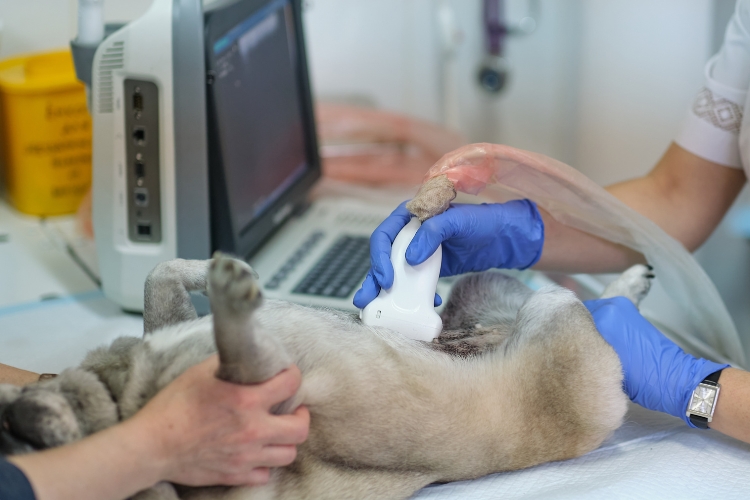
Modern imaging technologies allow veterinarians to examine internal structures without surgery.
Common imaging tools include:
- Digital radiographs
- Ultrasound examinations
- Specialized imaging studies
These tools help identify abnormalities affecting bones, organs, and soft tissues.
Fecal Analysis
Digestive health is another important aspect of feline wellness. Fecal testing helps detect intestinal parasites and other gastrointestinal concerns that may contribute to health issues.
Why Routine Wellness Exams Matter
Many pet owners assume veterinary visits are only necessary when a cat appears sick. However, wellness examinations provide opportunities to detect subtle changes before noticeable symptoms develop.
During routine visits, veterinarians assess:
- Weight trends
- Body condition
- Oral health
- Mobility
- Organ function
- Behavioral changes
These evaluations often serve as the first step toward identifying underlying conditions.
How Early Detection Supports Better Outcomes
When illnesses are identified early, veterinarians can often implement management plans before significant damage occurs.
Benefits of early detection may include:
- Improved comfort
- Slower disease progression
- Better response to treatment
- Enhanced quality of life
- Reduced healthcare costs over time
This is why preventive care and diagnostics remain essential components of feline healthcare.
Senior Cats Require Special Attention
As cats age, the risk of chronic health conditions increases. Senior cats may appear healthy while underlying issues gradually develop.
Diagnostic monitoring becomes increasingly valuable for older pets because age-related conditions often progress silently.
Routine screening helps establish baseline health values and allows veterinarians to identify subtle changes over time.
Creating a Health Monitoring Routine at Home
Pet owners play an important role in supporting early detection efforts.
Helpful habits include:
- Monitoring food intake
- Tracking weight changes
- Observing litter box habits
- Noticing behavioral shifts
- Scheduling regular wellness visits
Combining home observation with professional diagnostic evaluations creates the most comprehensive approach to feline healthcare.
The Value of Modern Veterinary Diagnostics
Advancements in veterinary medicine have dramatically improved the ability to diagnose diseases in cats. Today’s diagnostic tools provide detailed information that helps veterinarians make informed recommendations and develop individualized care plans.
Because cats often conceal illness so effectively, diagnostic testing serves as an essential tool for uncovering hidden health concerns and supporting long-term wellness.
If you are from South Burlington and looking for cat diagnostic care, proactive diagnostic testing can help identify potential health issues before they begin affecting your cat’s quality of life.
Schedule Your Cat’s Wellness Evaluation Today
Cats are experts at hiding discomfort, which makes routine health monitoring especially important. Contact Dorset Street Animal Hospital today to schedule an online appointment and learn how advanced diagnostic services can help support your cat’s long-term health and well-being.
Frequently Asked Questions
Q1. Why do cats hide signs of illness more than other pets?
Cats have strong survival instincts that encourage them to conceal weakness. In the wild, showing signs of illness could make them vulnerable to predators or competition. These natural behaviors continue in domesticated cats, making health problems harder to detect without careful observation and regular veterinary evaluations.
Q2. How often should cats receive diagnostic testing?
The frequency depends on age, lifestyle, and overall health. Younger healthy cats may require less frequent screening, while senior cats often benefit from more regular diagnostic monitoring. Your veterinarian can recommend an appropriate schedule based on your cat’s specific needs.
Q3. Can diagnostic tests detect illness before symptoms appear?
Yes. Many conditions begin developing long before visible symptoms become noticeable. Bloodwork, urinalysis, and imaging studies can identify abnormalities early, allowing veterinarians to address concerns before they progress into more serious health issues.
Q4. Are diagnostic tests stressful for cats?
Most routine diagnostic procedures are minimally invasive and completed quickly. Veterinary teams use gentle handling techniques designed to keep cats comfortable throughout the process while obtaining the information needed to evaluate their health accurately.
Q5. What should I do if my cat’s behavior suddenly changes?
Behavioral changes often provide important clues about a cat’s health. Reduced activity, appetite changes, increased hiding, or altered litter box habits should be discussed with your veterinarian, as these signs may indicate underlying medical concerns that require further evaluation.