Pet owners never want to see their furry companions feeling unwell. However, illnesses and injuries can happen unexpectedly, making it important to recognize when professional veterinary attention is needed. Understanding the role of urgent care can help you make informed decisions and ensure your pet receives timely medical support when health concerns arise.
Whether your dog develops sudden digestive issues or your cat experiences an unexplained change in behavior, knowing when to seek veterinary assistance can make a meaningful difference in your pet’s comfort and recovery. For pet families in South Burlington, understanding common warning signs can help prevent minor issues from becoming more serious concerns.
Why Prompt Veterinary Attention Matters
Pets cannot communicate discomfort the way humans can. They often hide symptoms until a condition progresses, making it essential for owners to pay close attention to physical and behavioral changes.
Veterinary professionals use diagnostic tools, physical examinations, and medical expertise to identify underlying causes of illness. Receiving prompt care allows veterinarians to evaluate your pet’s condition and recommend appropriate treatment before complications develop.
Some situations may require routine appointments, while others may benefit from urgent care services designed to address time-sensitive health concerns.
Common Signs Your Pet May Need Immediate Veterinary Evaluation
Not every symptom requires immediate action, but certain changes should never be ignored.
Difficulty Breathing
Labored breathing, excessive panting without exertion, wheezing, or noticeable respiratory distress can indicate a serious medical issue. Prompt evaluation allows veterinarians to determine the cause and provide appropriate support.
Persistent Vomiting or Diarrhea
Occasional digestive upset may not always be concerning. However, repeated vomiting or diarrhea can lead to dehydration and may signal infections, dietary problems, toxin exposure, or other underlying conditions.
Sudden Weakness or Collapse
A pet that suddenly becomes weak, unsteady, or collapses should be examined promptly. These symptoms can be associated with several medical conditions requiring professional assessment.
Unusual Bleeding
Visible bleeding from the mouth, nose, ears, or other areas should always be evaluated. Internal bleeding can also present through pale gums, weakness, or lethargy.
Significant Pain or Discomfort
Pets experiencing pain may:
- Cry or vocalize more than usual
- Avoid movement
- Show aggression when touched
- Hide from family members
- Display changes in posture
Pain often indicates an underlying problem that warrants veterinary attention.
Conditions Often Seen in Urgent Care Visits
Many health concerns fall between routine wellness appointments and life-threatening situations. These cases frequently benefit from urgent care services.
Digestive Problems
Common concerns include:
- Repeated vomiting
- Ongoing diarrhea
- Loss of appetite
- Suspected dietary indiscretion
- Abdominal discomfort
Skin and Ear Issues
Pets may require prompt evaluation for:
- Severe itching
- Ear infections
- Skin irritation
- Allergic reactions
- Hot spots
Minor Injuries
Cuts, limping, swollen paws, nail injuries, and other non-routine injuries often require veterinary assessment to prevent worsening conditions.
Eye Concerns
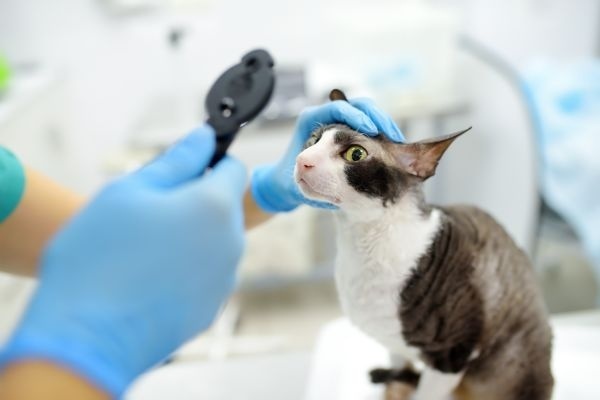
Squinting, redness, discharge, or cloudiness in the eyes should be examined quickly, as vision-related problems can progress rapidly.
Understanding the Difference Between Routine Care and Priority Care
Many pet owners struggle to determine whether a condition requires immediate attention or can wait for a scheduled appointment.
Routine wellness visits typically focus on preventive health and long-term monitoring. In contrast, priority care addresses health issues that develop unexpectedly and require prompt evaluation.
Examples include:
- Sudden illness
- Noticeable behavioral changes
- New injuries
- Acute digestive problems
- Respiratory concerns
When in doubt, contacting a veterinary team for guidance is often the safest approach.
How Veterinary Teams Evaluate Urgent Cases
When pets arrive for evaluation, veterinarians perform a thorough assessment to determine the severity of the condition.
This process may include:
- Physical examination
- Review of symptoms
- Medical history evaluation
- Diagnostic testing
- Imaging studies when necessary
These tools help identify the root cause of symptoms and guide treatment recommendations.
Diagnostic Tools That Support Faster Answers
Modern veterinary medicine relies on advanced diagnostics to evaluate pets efficiently.
Common tools include:
- Blood testing
- Urinalysis
- Digital radiography
- Ultrasound
- Microscopic evaluations
These resources help veterinarians develop targeted treatment plans and provide clarity for concerned pet owners.
Preventing Health Issues Through Early Action
One of the most effective ways to support your pet’s health is by responding quickly when unusual symptoms appear.
Pet owners should monitor for:
- Appetite changes
- Weight fluctuations
- Increased thirst
- Reduced energy levels
- Changes in bathroom habits
Even subtle signs can provide important clues about your pet’s health status.
For families in South Burlington, maintaining regular veterinary relationships and seeking professional guidance when concerns arise can contribute to better long-term outcomes.
Seasonal Risks Pet Owners Should Watch For
Different times of year can introduce unique challenges for pets.
Warmer Months
Potential concerns include:
- Heat-related illness
- Outdoor injuries
- Insect bites
- Increased exposure to environmental hazards
Colder Months
Seasonal issues may involve:
- Slippery surface injuries
- Exposure to cold temperatures
- Reduced activity levels
- Joint discomfort in senior pets
Recognizing seasonal risks helps pet owners take preventive measures and respond appropriately when problems occur.
Building Confidence as a Pet Owner
Every pet owner will likely face a situation where they wonder whether veterinary attention is necessary. While online information can be helpful, it should never replace professional medical advice.
Understanding common warning signs, monitoring your pet closely, and seeking timely veterinary guidance can help you feel more confident when making health decisions.
Schedule an Appointment Today
At Dorset Street Animal Hospital, our team is committed to providing compassionate veterinary care when your pet needs prompt medical attention. Schedule an online appointment today to ensure your pet receives professional evaluation and personalized treatment.
Need Assistance Right Away?
Call our team at (802) 221-3090 for guidance regarding your pet’s health concerns and to discuss the most appropriate next steps for care.
Frequently Asked Questions
Q1. How do I know if my pet’s symptoms require urgent veterinary attention?
Changes such as difficulty breathing, repeated vomiting, sudden weakness, unexplained pain, or unusual bleeding should be evaluated promptly. When symptoms appear suddenly or worsen quickly, contacting a veterinary professional can help determine the appropriate course of action.
Q2. Can digestive issues become serious if left untreated?
Yes. Persistent vomiting or diarrhea can lead to dehydration and may indicate underlying illnesses. Early evaluation allows veterinarians to identify the cause and recommend treatment before complications develop.
Q3. What should I do before bringing my pet to a veterinary clinic?
Observe and document symptoms, including when they started and any recent changes in behavior, diet, or activity. This information helps veterinarians perform a more accurate assessment and determine the most effective treatment plan.
Q4. Is priority care different from a routine wellness visit?
Yes. Priority care focuses on health concerns that develop unexpectedly and require prompt evaluation. Routine wellness visits are designed to monitor overall health, identify risk factors, and support preventive care throughout a pet’s life.
Q5. Can diagnostic testing help identify hidden health issues?
Absolutely. Blood work, imaging studies, and other diagnostic tools often reveal conditions that may not be visible during a physical examination alone. Early detection allows for more targeted treatment and improved health management.