Observing your dog or cat suddenly holding an eye shut, squinting in daylight, or frantically rubbing their face against the carpet can trigger instant worry for any dedicated pet parent. Delicate optical structures in companion animals are constantly exposed to environmental elements like sharp grasses, outdoor dust, and playful household roughhousing. Because the cornea and surrounding ocular tissues contain dense networks of sensitive nerve endings, even minor physical trauma causes significant discomfort and rapid physiological reaction.
Determining whether an eye issue is a simple passing irritation or a serious injury requiring medical intervention is critical. Searching for trusted vets near me allows pet parents to quickly access professional evaluation when unexpected ocular changes occur. Seeking urgent pet care bridges the gap between routine wellness checkups and intensive hospital settings, providing fast diagnostic evaluations and immediate comfort for non-life-threatening eye conditions. For families living in South Burlington, recognizing early signs of eye trauma ensures that companion animals receive gentle, effective treatment before secondary complications develop.
Common Types of Ocular Trauma in Pets
Understanding how different eye injuries occur helps pet owners recognize the potential severity of physical signs and take prompt action to protect their companion’s sight.
Corneal Scratches and Surface Ulcerations
Outdoor adventures often bring pets into contact with low-hanging branches, shrubbery, or blowing debris. A simple swipe from a backyard plant or a cat’s claw can scratch the delicate outer surface of the eye. Left unexamined, shallow corneal scratches can easily trap environmental bacteria and evolve into deep, painful corneal ulcers.
Foreign Debris Retention
Sand, grass seeds, dust, or tiny plant awns can lodge beneath the upper or lower eyelids or stick directly to the moist corneal surface. Trapped debris causes relentless friction every time your pet blinks, resulting in severe tissue inflammation, watery discharge, and surface scratching.
Blunt Physical Impact and Eyelid Trauma
Accidental bumps against furniture, rough play with other animals, or head trauma can cause localized swelling around the eyelid margins, subconjunctival bleeding, or internal pressure shifts within the eye socket.
Evaluating Symptoms: Home First Aid vs. Immediate Clinical Evaluation
Distinguishing between minor, transient eye watering and a condition requiring intermediate clinical attention depends on observing your pet’s energy, physical signs, and behavioral comfort.
- At-Home First Aid (Safe for Initial Observation):
- Minor, clear watery tearing following outdoor play in dusty conditions
- Transient, mild eye squinting that disappears completely within an hour of quiet rest
- Normal navigational confidence across both brightly lit and dark indoor spaces
- Intact, equal pupil responses when moving between sunlit and shaded areas
- Clinical Urgent Care (Requires Prompt Evaluation):
- Persistent squinting, keeping an eye held tightly shut, or continuous rapid blinking
- Visible cloudiness, bluish discoloration, or blood spots appearing within the eye structures
- Thick yellow, green, or blood-tinged discharge accumulating along the eyelids
- Relentless pawing at the eye area, face rubbing on furniture, or frequent head shaking
- Sudden swelling of the eyelid tissue, protrusion of the third eyelid, or altered pupil size
Why Seeking Urgent Vet Care Prevents Permanent Visual Damage
Hoping that an eye scratch or swollen lid will resolve on its own with rest can carry serious risks for your pet’s long-term visual health.
Stopping Secondary Bacterial Infections
When the protective outer layer of the cornea is broken by a scratch, surface bacteria quickly colonize the open wound. Without sterile clinical cleansing and targeted antibiotic therapies, bacterial activity can erode deeper corneal layers, leading to severe scarring or tissue perforation.
Rapid Pain Management and Relief
Corneal injuries produce intense, sharp pain that causes systemic stress for your animal. Immediate veterinary care delivers animal-safe anti-inflammatory drops and pain management that stop discomfort at its source, preventing your pet from self-traumatizing the eye through rubbing.
Preventing Permanent Corneal Scarring
Unchecked inflammation across the optical surface causes blood vessels to grow rapidly across the clear cornea, leaving opaque scar tissue behind. Swift medical treatment controls inflammatory responses and minimizes scarring to preserve crisp, clear vision.
Point-of-Care Diagnostic Procedures for Eye Injuries
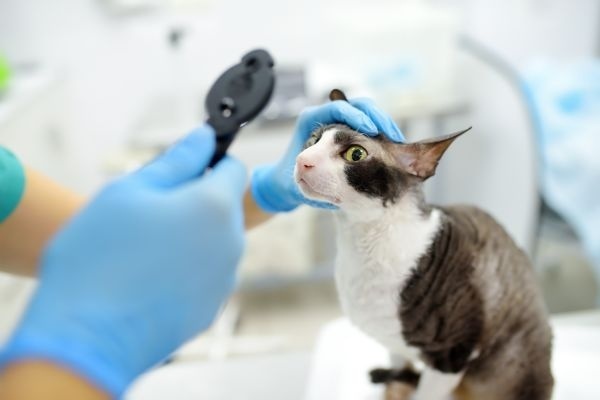
When you visit a clinic for urgent vet care, clinical teams utilize specialized, non-invasive diagnostic tools to inspect eye health and determine the precise extent of an injury.
- Fluorescein Stain Testing: Applies a temporary, specialized dye that adheres to damaged corneal cells, revealing hidden scratches, surface ulcers, and tissue tears under blue light illumination.
- Ophthalmic Tonometry Measurement: Evaluates intraocular fluid pressure gently using a soft, non-invasive probe to detect pressure spikes or internal fluid drainage shifts instantly.
- Slit-Lamp and Ophthalmoscopic Examination: Delivers high magnification to inspect lens clarity, eyelid alignment, the anterior chamber, and retinal structures in real time.
Combining rapid diagnostic findings with pet-safe anti-inflammatory drops, protective lubrications, or specialized ocular gels keeps your pet comfortable while putting them on the fastest path to healing.
Supporting Companion Animals in South Burlington
Maintaining your pet’s visual health relies on attentive daily care, routine checks, and staying mindful of subtle changes in their behavior. Checking your companion’s eyes after outdoor exercise in yards, fields, or trails allows you to spot surface irritations before they escalate into painful complications.
If you are from South Burlington and looking for urgent vet care, taking fast action at the first sign of optical haze, discharge, or eye pain provides your pet with the best opportunity for a smooth, complete recovery.
Providing timely medical attention when health changes occur preserves your companion’s quality of life and strengthens the lifelong bond you share.
Taking Action for Your Pet’s Visual Comfort
When your dog or cat exhibits sudden eye trauma, persistent squinting, or visible physical discomfort, securing a prompt evaluation keeps their recovery moving in the right direction. You can schedule an online appointment through our portal to reserve a convenient time for your pet to be examined by our clinical team.
If your companion is actively displaying uncomfortable eye symptoms or sudden optical changes and you prefer to speak directly with our clinical staff before arriving, please call our team at 802-221-3090 so we can offer immediate guidance and prepare for your visit.
Our dedicated medical team looks forward to delivering gentle, expert care for your companion at Dorset Street Animal Hospital.
Frequently Asked Questions
Q1. What should I do immediately if I suspect a foreign object is in my pet’s eye?
Ans: Do not try to remove foreign debris using tweezers, fingers, or cotton swabs, as this can cause deep corneal tears. You may gently flush the eye with a light stream of sterile saline solution. If the pet continues squinting, pawing, or showing distress, seek immediate veterinary evaluation.
Q2. Is it safe to apply over-the-counter human eye drops to a pet’s injured eye?
Ans: No. Human eye drops often contain active chemical ingredients or decongestants that can cause severe stinging, elevated internal eye pressure, or tissue damage in pets. Furthermore, applying leftover prescription ointments containing steroids to a scratched cornea can prevent wound healing and cause severe complications.
Q3. Why is my pet holding one eye tightly shut after playing outdoors?
Ans: Holding an eye shut, known medically as blepharospasm, is a protective reflex triggered by corneal pain. It strongly suggests a surface scratch, corneal ulcer, or trapped foreign particle under the eyelid. Professional veterinary staining is necessary to evaluate the surface and prescribe safe, pain-relieving treatments.
Q4. Can a simple eye scratch turn into a serious medical issue quickly?
Ans: Yes. Because the cornea is thin and exposed to environmental bacteria, a simple surface scratch can develop a bacterial infection within 24 to 48 hours. Rapid bacterial growth can deepen the wound into a melting corneal ulcer, potentially threatening the structural integrity of the entire eye.
Q5. How should I safely transport my pet to the clinic with an eye injury?
Ans: Keep your vehicle cool, quiet, and shaded from harsh sunlight to reduce light sensitivity. Place cats and small dogs in a padded carrier lined with soft towels. Fit larger dogs with a protective Elizabethian collar if they try rubbing their face against seats during the drive.