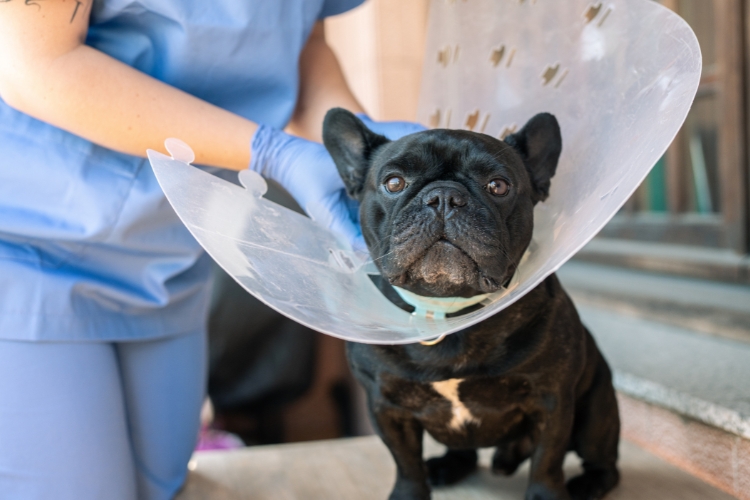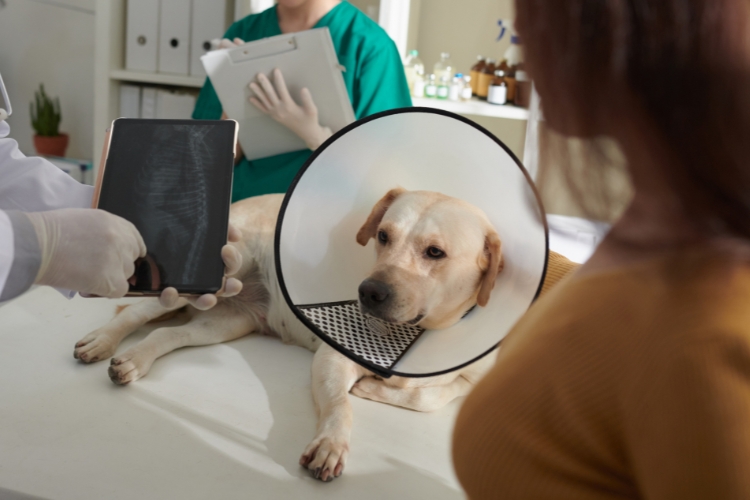
When a dog or cat develops a health problem that may require an operation, the decision to recommend surgery is rarely based on one symptom alone. Veterinarians consider the pet’s condition, medical history, diagnostic findings, age, overall health, and expected outcome before determining whether a surgical approach is appropriate.
For pet owners, hearing that their companion may need surgery can raise many questions. Is an operation necessary? Are there other treatment options? How will the procedure affect the pet’s quality of life? What should recovery look like?
Understanding how veterinarians approach these decisions can help owners feel more informed. At Dorset Street Animal Hospital in South Burlington, a thoughtful evaluation can help determine whether veterinary surgery is appropriate for an individual pet and situation.
The Diagnosis Comes First
Before discussing surgery, the veterinarian needs to understand what is causing the pet’s health problem. A physical examination provides initial information, while diagnostic testing may offer a more detailed view of what is happening internally.
Depending on the symptoms, testing may include laboratory work, imaging, or other diagnostic procedures.
The diagnosis matters because surgery is more appropriate for some conditions than others. Certain problems may respond well to medical management, dietary changes, monitoring, or other approaches, while structural problems may require a surgical solution.
Having a clear understanding of the underlying condition helps the veterinarian explain why a particular treatment is being considered.
The Severity of the Condition Matters
Not every condition requires the same level of intervention. Veterinarians consider how severe the problem is and how it is affecting the pet.
A minor condition may be managed conservatively if the pet is comfortable and the problem is unlikely to progress. A more significant structural issue may require surgery when other approaches are unlikely to provide the desired result.
The veterinarian may also consider whether the condition is stable, progressing, painful, or affecting normal functions.
This evaluation helps determine whether surgery offers meaningful benefits compared with other available treatment options.
The Pet’s Overall Health Is Considered
A pet’s general health can have an important influence on surgical planning. Before recommending an operation, the veterinarian may evaluate the heart, lungs, body condition, organ function, and other aspects of overall health.
Previous medical conditions are also relevant. A pet with a history of kidney, liver, heart, or other health concerns may require additional evaluation before surgery.
This does not automatically mean that surgery is unsuitable. Instead, the information helps the veterinary team understand the pet’s individual needs and prepare an appropriate surgical plan.
Good pet surgical care involves considering the patient as a whole rather than focusing only on the condition being treated.
Age Can Influence the Decision
Age is another factor that may be considered when evaluating surgical options. Young pets, adult animals, and senior companions can have different health considerations.
An older pet may have additional medical concerns that need to be evaluated before surgery. A younger animal may have different recovery considerations.
Age alone does not determine whether an operation is appropriate. Instead, veterinarians look at age together with physical health, diagnostic findings, medical history, and the expected benefits of treatment.
This individualized approach allows the veterinarian to consider the actual needs of the pet rather than relying on age as the only deciding factor.
Diagnostic Findings Help Shape the Treatment Plan
Diagnostic results can provide information that cannot be obtained through a physical examination alone. Imaging may reveal the location and extent of a structural problem, while laboratory testing can provide information about internal health.
These findings can help the veterinarian determine whether surgery is likely to address the underlying problem.
They may also influence the type of procedure being considered. A surgical plan can vary depending on the location, size, severity, and nature of the condition.
In some situations, diagnostic information may show that another treatment approach should be considered instead. This is why thorough evaluation is an important part of veterinary surgery planning.
The Potential Benefits Are Weighed Against the Risks
Every surgical procedure involves considerations that need to be discussed with the pet owner. Veterinarians evaluate the potential benefits of surgery and compare them with the possible risks.
The decision may depend on questions such as whether surgery can correct the underlying problem, improve comfort, preserve normal function, or prevent the condition from becoming more difficult to manage.
The veterinarian may also explain factors related to anesthesia, the procedure itself, and recovery.
Having this discussion allows owners to understand why surgery is being recommended and what they can reasonably expect from the treatment.
Quality of Life Is an Important Consideration
A pet’s quality of life can be a major factor in treatment decisions. Veterinarians may consider whether the condition is affecting mobility, appetite, comfort, normal activity, or interaction with family members.
The potential outcome of surgery is considered in relation to the pet’s current condition and long-term needs.
For example, if a procedure is expected to restore an important physical function or improve a significant limitation, its potential benefits may be considerable.
The veterinarian can discuss these expectations with the owner so that the treatment decision is based on both medical information and the pet’s individual circumstances.
Alternative Treatments May Be Discussed
Surgery is not always the only treatment option. Depending on the diagnosis, veterinarians may discuss medical management, monitoring, supportive care, or other approaches.
The suitability of these alternatives depends on the condition and the individual pet.
In some cases, an alternative may provide an appropriate way to manage the problem. In others, surgery may offer a more direct approach to addressing the underlying cause.
Discussing the available options helps owners understand why one treatment may be recommended over another.
Recovery Should Be Part of the Decision
A surgical decision should include consideration of what happens after the procedure. Recovery can involve restricted activity, medication administration, wound monitoring, dietary adjustments, follow-up appointments, or other instructions depending on the type of operation.
Owners should understand what will be expected of them at home before choosing a treatment.
The veterinarian can explain the anticipated recovery period and identify signs that should be reported during the healing process.
Planning ahead can make recovery more manageable and help owners provide appropriate support after veterinary surgery.
Owners Play an Important Role
Pet owners provide information that can help veterinarians make treatment decisions. Changes in appetite, activity, behavior, mobility, bathroom habits, and other daily patterns may provide useful context.
Owners should also share information about previous medical conditions, current medications, earlier procedures, and any concerns they have about surgery.
Questions are encouraged. Understanding the reason for surgery, expected benefits, potential risks, alternatives, and recovery requirements can help owners make informed choices.
Open communication between the owner and veterinary team is an important part of effective pet surgical care.
Choosing a Surgical Approach in South Burlington
The decision to recommend surgery should be based on the individual pet rather than a one-size-fits-all formula. Diagnosis, health status, age, medical history, diagnostic findings, expected outcome, and quality of life can all contribute to the decision.
For pet owners in South Burlington, Dorset Street Animal Hospital can provide guidance when a dog or cat is being evaluated for a possible surgical procedure. Discussing your pet’s condition and treatment options with a veterinarian can help you understand what approach may be appropriate.
Veterinary surgery is not simply about performing a procedure. It involves determining whether surgery is likely to provide meaningful benefits for the individual patient and creating a plan that takes the pet’s needs into account.
Schedule a Pet Surgical Consultation
If your dog or cat has been diagnosed with a condition that may require surgery, schedule a consultation with Dorset Street Animal Hospital in South Burlington. An online appointment or online booking can provide a convenient way to discuss your pet’s diagnosis, treatment options, surgical considerations, and expected recovery with a veterinary professional.
Frequently Asked Questions
Q1. How does a veterinarian determine whether my pet needs surgery?
Ans: The veterinarian considers the diagnosis, severity of the condition, physical examination findings, diagnostic results, overall health, medical history, and expected benefits of surgery before recommending an operation.
Q2. Can my pet receive another treatment instead of surgery?
Ans: Depending on the condition, alternatives such as medical management, monitoring, or supportive care may be considered. The appropriate option depends on the individual diagnosis and expected outcome.
Q3. Does my pet’s age affect the decision to perform surgery?
Ans: Age can be one consideration, but it is evaluated alongside overall health, medical history, diagnostic findings, and the potential benefits and risks of the procedure.
Q4. Why are diagnostic tests important before veterinary surgery?
Ans: Diagnostic testing can provide information about the condition being treated and your pet’s overall health. These findings can help the veterinarian determine whether surgery is appropriate and guide surgical planning.
Q5. What should I ask before agreeing to pet surgery?
Ans: Ask about the reason surgery is recommended, expected benefits, potential risks, alternative treatments, preparation requirements, recovery expectations, and follow-up care.