As a pet owner, witnessing your furry friend struggle with movement can be heartbreaking. One condition that commonly affects pets, especially larger breeds, is hip dysplasia. It’s a debilitating joint condition that can cause pain, stiffness, and even lameness, severely limiting your pet’s quality of life. If you’ve noticed your pet showing signs of discomfort, such as limping or difficulty getting up, it may be time to consider surgical options.
This blog is specifically for pet owners in South Burlington, VT, whose dogs may be suffering from hip dysplasia. In this guide, we’ll explore the long-term benefits of surgery for hip dysplasia and how it can significantly improve your pet’s mobility and overall health. By the end, you’ll understand how surgery can restore your pet’s quality of life, reduce pain, and provide lasting results.
Let’s take a closer look at what hip dysplasia is, the benefits of surgical intervention, and how it can transform your pet’s life.
Understanding Hip Dysplasia: The Basics of the Condition
Hip dysplasia is a genetic condition in which the ball and socket joint of the hip doesn’t fit properly, causing the joint to become loose. Over time, this instability leads to arthritis and pain as the joint wears down condition can affect dogs of all breeds. However, it’s particularly common in larger breeds such as Labrador Retrievers, German Shepherds, and Golden Retrievers.
If left untreated, hip dysplasia can severely affect your pet’s mobility, causing chronic pain and difficulty with everyday activities such as walking, running, or even sitting. However, with the right treatment, the long-term effects of hip dysplasia can be managed, and your pet can lead a much more active and comfortable life.
How Surgery Helps Treat Hip Dysplasia in Pets
Surgical Options for Hip Dysplasia
When conservative treatments like medication and physical therapy are no longer effective, surgical services are often the next step in treating hip dysplasia. Several types of surgery can help restore hip function and improve your pet’s quality of life. The most common surgical options include:
- Total Hip Replacement (THR): This is the most effective surgical procedure for pets with hip dysplasia. In THR, the damaged hip joint is completely replaced with an artificial one procedure offers the most long-term relief, allowing your pet to regain full mobility and live pain-free.
- Femoral Head Ostectomy (FHO): It involves removing the head of the femur (the “ball” of the hip joint), eliminating painful bone-on-bone contact. Over time, the body forms scar tissue to create a false joint, which can help reduce pain and improve movement procedure is often used for smaller dogs or those with less severe hip dysplasia.
- Hip Arthrodesis: In this procedure, the hip joint is fused to eliminate painful movement. While it’s not suitable for every pet, it can be effective for some cases, especially when the hip joint is severely damaged.
Long-Term Benefits of Surgery
No matter which surgical option is chosen, the long-term benefits of surgery for pets with hip dysplasia are numerous:
- Pain Relief: Surgery can eliminate or greatly reduce the pain associated with hip dysplasia, which is the most immediate and obvious benefit for your pet. Following surgery, many pets experience a significant improvement in their comfort levels and mobility.
- Restored Mobility: After a successful surgery, your pet will be able to move more freely. The restoration of hip function allows pets to engage in activities they once struggled with, such as walking, climbing stairs, or playing with other pets. Enhanced mobility significantly boosts your pet’s quality of life.
- Prevention of Further Joint Damage: Surgery helps stop the progressive damage to the hip joint that can lead to arthritis. By correcting the underlying issue, surgery can prevent further deterioration, preserving the remaining healthy tissue and bone.
- Improved Mental Health: Chronic pain can affect a pet’s mental well-being, leading to depression, anxiety, and behavioral issues. Once the pain is relieved through surgery, pets often show significant improvements in mood and overall behavior. They become more playful, active, and eager to interact with their environment and owners.
What to Expect After Surgery
Post-Surgery Recovery
After surgery, your pet will need time to recover. The recovery process can take several weeks to a few months, depending on the type of surgery performed and your pet’s overall health. During this period, it’s important to follow your veterinarian’s instructions to ensure proper healing.
Here’s what you can expect during the recovery phase:
- Pain Management: Your veterinarian will provide pain-relief medications to help your pet stay comfortable during the healing process. These medications will help manage any discomfort during the early days following surgery.
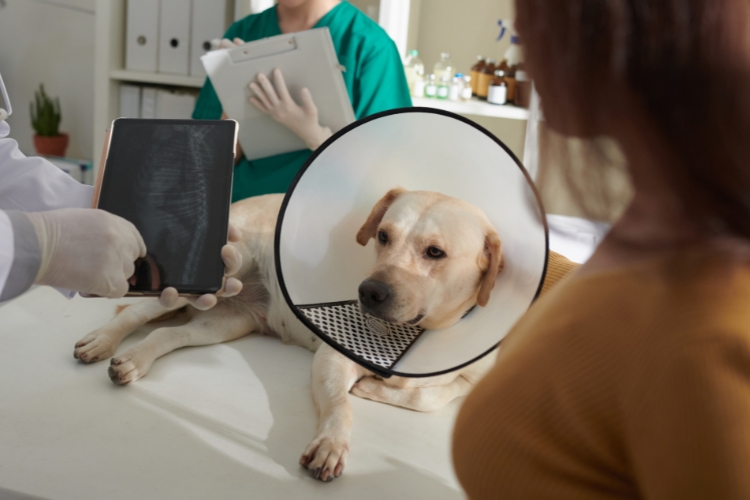
- Restricted Activity: It’s essential to limit your pet’s activity level during recovery, which means no running, jumping, or strenuous play until your veterinarian gives the green light. Depending on the surgery, your pet may need to wear an e-collar to prevent licking or biting the surgical site.
- Physical Therapy: For some pets, physical therapy is an important part of the recovery process. It helps to strengthen the muscles around the hip joint, increase flexibility, and improve overall movement. Your veterinarian may recommend specific exercises or refer you to a pet physical therapist.
Long-Term Follow-Up Care
Once your pet has healed from surgery, it’s important to continue monitoring their hip health and overall well-being. Follow-up appointments with your veterinarian will ensure that the surgery was successful and that your pet is progressing as expected.
Routine check-ups can also help detect any potential issues early, allowing for prompt intervention if necessary. Your vet may also recommend weight management to prevent excessive strain on the newly repaired joint, as well as maintaining a regular exercise routine to keep your pet active and healthy.
The Impact of Ignoring Hip Dysplasia
Health Risks of Untreated Hip Dysplasia
If hip dysplasia is left untreated, the long-term effects can be severe. Over time, the constant friction and instability in the joint can lead to progressive arthritis, causing pain, inflammation, and further damage to the bones and cartilage, which can result in:
- Chronic Pain: Untreated hip dysplasia can cause constant discomfort, making it difficult for your pet to move or perform daily activities and severely affecting their quality of life, which can lead to other health issues.
- Muscle Atrophy: When your pet avoids using their hip due to pain, they may experience muscle wasting or atrophy in their hind legs, further weakening their mobility and making it harder for them to recover.
- Decreased Mobility: Over time, inactivity can cause stiffness and reduced range of motion. Your pet may struggle to walk, jump, or even climb stairs, further diminishing their independence.
- Behavioral Changes: Chronic pain and limited mobility can lead to frustration and depression in pets. They may become less social, more withdrawn, or exhibit behavioral problems.
Ignoring hip dysplasia can shorten your pet’s lifespan and reduce their overall happiness. Early intervention through surgery is the best way to prevent these serious long-term complications.
Providing Your Pet With a Pain-Free Future
Surgery for hip dysplasia offers long-term relief and a brighter future for your pet. With the right treatment, your pet can enjoy pain-free movement and regain the ability to live an active, fulfilling life. Surgery not only improves your pet’s mobility but also enhances their overall well-being, allowing them to enjoy their golden years without the burden of pain.
If you’re in South Burlington and concerned about your pet’s hip health, it’s time to consider the benefits of surgery for hip dysplasia. Contact Dorset Street Animal Hospital to discuss treatment options today and get your pet back on track to a pain-free life.
FAQs
Q1. What is hip dysplasia in pets?
Ans. Hip dysplasia is a genetic condition where the hip joint doesn’t fit properly, leading to pain, arthritis, and mobility issues. It is common in larger dog breeds, but it can affect any pet.
Q2. Can surgery cure hip dysplasia in pets?
Ans. Surgery can significantly improve your pet’s mobility and reduce pain, but it does not cure the underlying condition. It helps manage symptoms and prevent further joint damage.
Q3. What is the best type of surgery for hip dysplasia?
Ans. The best surgery depends on your pet’s age, size, and the severity of the condition. Total hip replacement (THR) is highly effective for most pets, while femoral head ostectomy (FHO) is used for smaller dogs or less severe cases.
Q4. How long does it take for pets to recover from hip surgery?
Ans. Recovery typically takes several weeks to months, depending on the type of surgery and your pet’s health. Restricted activity and physical therapy are often required during the recovery phase.
Q5. Are there any risks with hip surgery?
Ans. As with any surgery, there are risks such as infection or complications with anesthesia. However, these risks are minimized by choosing a qualified veterinarian and following post-surgery care instructions.
Q6. How can I help my pet after hip surgery?
Ans. Follow your veterinarian’s instructions regarding medication, activity restrictions, and physical therapy. Regular follow-up visits will ensure your pet heals properly and regains full mobility.