When a pet suddenly shows signs of illness or injury, every step of the veterinary visit should move with purpose. While a thorough physical examination is the starting point, many conditions require additional testing before a veterinarian can determine the most appropriate course of action. Modern diagnostic technology allows urgent pet care teams to collect valuable medical information quickly, helping pets receive timely and personalized treatment. For pet owners in South Burlington, understanding how fast diagnostics contribute to an efficient visit can make an unexpected trip to the veterinary clinic feel less overwhelming.
Why Efficiency Matters During a Veterinary Visit
An efficient appointment is not about rushing through care. Instead, it means gathering accurate information in an organized way so that important decisions can be made without unnecessary delays.
Fast diagnostics help veterinarians:
- Understand the source of a pet’s symptoms
- Prioritize medical concerns
- Reduce uncertainty during evaluation
- Recommend targeted treatment options
- Monitor changes in a pet’s condition over time
The result is a care plan based on evidence rather than assumptions.
Building a Clear Picture of Your Pet’s Health
Veterinarians often combine several diagnostic tools to understand what is happening inside your pet’s body. Each test contributes a different piece of information, creating a more complete clinical picture.
Physical Examination
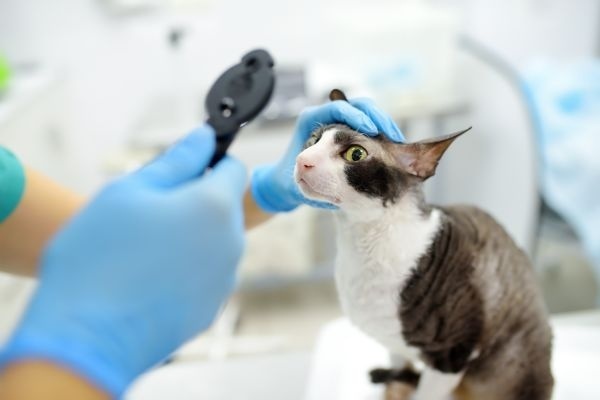
Every visit begins with a detailed assessment of your pet’s overall condition. The veterinarian evaluates breathing, heart rate, body temperature, mobility, hydration, and areas of discomfort before recommending additional testing.
Laboratory Testing
Blood work, urinalysis, and other laboratory tests provide insight into organ function, hydration, blood cell counts, and metabolic health. These results often reveal conditions that are not visible during a physical examination.
Diagnostic Imaging
Digital X rays and ultrasound allow veterinarians to examine bones, joints, and internal organs. Imaging is especially valuable when pets experience injuries, abdominal discomfort, or respiratory concerns.
How Urgent Pet Care Benefits From Fast Diagnostics
Rapid diagnostic information allows veterinary teams to move confidently from evaluation to treatment planning.
During urgent pet care, quick diagnostics help veterinarians:
- Identify possible illnesses sooner
- Rule out conditions with similar symptoms
- Determine whether additional testing is necessary
- Develop individualized treatment recommendations
- Track your pet’s response to care when follow-up visits are needed
Using accurate medical information supports better outcomes while minimizing unnecessary delays.
Common Symptoms That May Require Diagnostic Testing
Although every pet is different, veterinarians often recommend diagnostic testing for symptoms such as:
- Persistent vomiting
- Ongoing diarrhea
- Sudden weakness
- Difficulty walking
- Changes in breathing
- Loss of appetite
- Difficulty urinating
- Abdominal pain
The specific tests recommended depend on your pet’s medical history and examination findings.
What Happens During the Diagnostic Process?
Every appointment is tailored to the individual patient, but the overall process follows a logical sequence.
A typical visit may include:
- Discussing your pet’s recent symptoms.
- Completing a thorough physical examination.
- Selecting appropriate diagnostic tests.
- Reviewing test results with you.
- Creating a personalized treatment plan.
This structured approach helps ensure that treatment decisions are supported by accurate clinical findings.
Helping Your Veterinary Team Prepare
Pet owners provide valuable information that complements diagnostic testing.
Before your visit, consider writing down:
- When symptoms first appeared
- Changes in appetite or water intake
- Any medications your pet is receiving
- Recent travel or environmental changes
- Unusual behaviors you have noticed
These details can improve the accuracy of the diagnostic evaluation.
The Value of Acting Early
Seeking veterinary attention when symptoms first appear often makes the diagnostic process more effective. Earlier evaluation allows veterinarians to identify potential health concerns before they become more difficult to manage.
If you are from South Burlington and looking for urgent pet care, choosing a veterinary clinic equipped with modern diagnostic technology can help your pet receive efficient evaluation and treatment recommendations based on reliable medical findings.
At Dorset Street Animal Hospital, our experienced veterinary team uses advanced diagnostic tools to better understand your pet’s condition and provide individualized care focused on their overall health and well-being.
Schedule Your Online Appointment
If your pet is showing signs of illness or discomfort, schedule an online appointment today. Prompt evaluation allows our veterinary team to begin the diagnostic process and recommend appropriate treatment based on your pet’s needs.
Call Our Team Today
Need guidance about your pet’s health? Call our team at (802) 221-3090 to discuss your concerns and arrange an appointment.
Frequently Asked Questions
Q1. Why are fast diagnostics important during a veterinary visit?
Fast diagnostics provide veterinarians with timely information about your pet’s health, allowing them to identify possible causes of illness and recommend treatment based on objective findings rather than symptoms alone.
Q2. What types of diagnostic tests are commonly performed during urgent care visits?
Depending on your pet’s condition, veterinarians may recommend blood work, urinalysis, digital X rays, ultrasound, or microscopic evaluations. Each test provides different information that helps build a complete understanding of your pet’s health.
Q3. Can fast diagnostics reduce the need for additional testing?
In many cases, rapid test results help veterinarians narrow the list of possible conditions. While some pets may still require further evaluation, initial diagnostics often guide more focused and efficient medical decision making.
Q4. How can I help my veterinarian during the diagnostic process?
Sharing accurate information about your pet’s symptoms, appetite, medications, recent activities, and behavior gives your veterinarian valuable context that complements diagnostic testing and supports more accurate treatment planning.
Q5. Are diagnostic recommendations the same for every pet?
No. Every diagnostic plan is tailored to the individual pet based on their symptoms, age, medical history, physical examination, and overall condition. Veterinarians recommend only the tests that are appropriate for each specific situation.