Dogs use their ears for more than hearing. Their ears also play an important role in balance, communication, and awareness of their surroundings. When a dog experiences ear discomfort, even simple activities such as playing, walking, or resting can become difficult. While occasional scratching may not always indicate a serious problem, persistent irritation, pain, or unusual discharge can signal an underlying condition that needs veterinary attention.
Dog ear infections are common concerns among pet owners and can develop for several reasons, including bacteria, yeast, allergies, parasites, and trapped moisture. Recognizing symptoms early can help prevent discomfort from becoming more severe. Knowing when to seek urgent pet care is especially important when symptoms involve significant pain, swelling, or changes in balance.
Common Signs of Dog Ear Infections
Ear problems can develop gradually, and some dogs may hide their discomfort until symptoms become noticeable. Observing changes in your dog’s behavior and ear appearance can help you identify a potential issue.
Watch for these common signs:
- Repeated head shaking: Your dog may shake its head frequently to relieve itching or irritation.
- Persistent scratching: Scratching around the ears or rubbing the head against furniture can indicate discomfort.
- Redness and inflammation: The outer ear or visible ear canal may appear red, swollen, or irritated.
- Unpleasant odor: A strong or unusual smell coming from the ears may be associated with infection.
- Unusual discharge: Brown, yellow, or dark material may collect inside the ear.
- Sensitivity around the ears: Your dog may pull away, whine, or become uncomfortable when the area is touched.
- Changes in behavior: Restlessness, irritability, reduced activity, or difficulty settling down may occur when ear discomfort persists.
These symptoms do not always confirm an infection. However, they are reasons to arrange a veterinary examination, particularly if they continue or become more noticeable.
Urgent Warning Signs That Require Veterinary Attention
Some ear symptoms indicate a more serious problem and should not be ignored. Delaying an examination may allow inflammation, infection, or discomfort to worsen.
Seek urgent pet care if your dog shows any of the following signs.
1. Severe or sudden ear pain
A dog that cries, yelps, repeatedly paws at its ear, or refuses to let anyone touch its head may be experiencing significant pain. Avoid pressing or manipulating the affected area and contact a veterinarian promptly.
2. Head tilting
A persistent head tilt can indicate that an ear condition is affecting structures involved in balance. This symptom deserves prompt veterinary assessment, especially when it develops suddenly.
3. Loss of balance
Stumbling, circling, falling, or difficulty walking normally may indicate a deeper ear problem or another medical concern. These symptoms should be evaluated immediately.
4. Swelling of the ear flap
An enlarged or swollen ear flap may develop after repeated head shaking or scratching. This can sometimes indicate an ear hematoma, which requires veterinary attention.
5. Bleeding or heavy discharge
Blood, thick discharge, or a sudden increase in fluid from the ear should be examined by a veterinary professional. Avoid attempting to clean deep inside the ear.
6. Sudden changes in hearing or behavior
If your dog does not respond to familiar sounds, appears confused, or behaves unusually, arrange a veterinary evaluation to identify the cause.
When severe pain, significant balance problems, or sudden neurological changes occur, seek immediate veterinary guidance rather than waiting for a routine appointment.
What Causes Ear Discomfort and Infections in Dogs?
Several conditions can cause ear irritation or contribute to dog ear infections. Identifying the underlying cause is important because different problems require different treatment approaches.
Common causes include:
- Bacterial and yeast overgrowth: Changes in the normal ear environment can allow microorganisms to multiply and cause inflammation.
- Allergies: Environmental or food-related allergies may cause itching and inflammation that affect the ears.
- Moisture buildup: Water trapped in the ear after bathing or swimming can create conditions that encourage microbial growth.
- Ear mites: These parasites can cause intense itching and irritation, particularly in younger dogs.
- Foreign material: Grass seeds, dirt, and other debris may become lodged in the ear canal and cause discomfort.
- Ear structure: Dogs with floppy ears or narrow ear canals may be more likely to experience moisture and debris buildup.
Some dogs experience recurring ear problems because of an underlying allergy or another ongoing condition. Treating only the visible symptoms may not resolve the issue completely, which is why veterinary assessment is important.
How Veterinary Diagnostic Care Helps Identify the Problem
Ear discomfort can have several possible causes, and symptoms may look similar even when the underlying conditions are different. Pet diagnostic care helps veterinarians identify what is happening inside the ear and determine an appropriate treatment plan.
Depending on your dog’s symptoms, a veterinary examination may include:
- Medical history review: The veterinarian may ask when the symptoms started, how often they occur, and whether your dog has experienced similar problems.
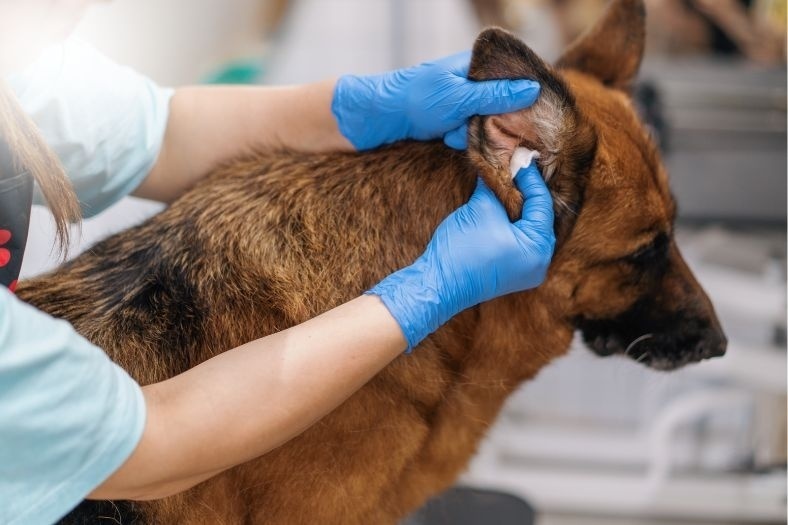
- Physical ear examination: The outer ear and visible ear canal are checked for redness, swelling, discharge, and other abnormalities.
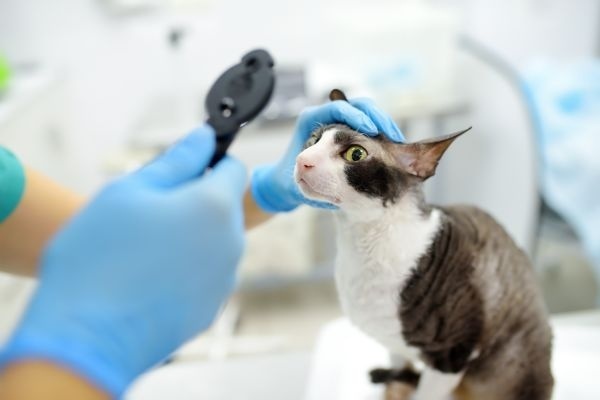
- Otoscope examination: An instrument may be used to inspect the ear canal and, when possible, the eardrum.
- Ear sample analysis: A sample of discharge may be examined under a microscope to look for yeast, bacteria, or parasites.
- Additional testing: More detailed diagnostic procedures may be recommended when symptoms are severe, persistent, or recurring.
This process helps distinguish an uncomplicated infection from other conditions that may require a different approach. It also helps the veterinarian determine whether further evaluation is needed.
Treatment Options for Dog Ear Infections
Treatment depends on the cause, severity, and location of the problem. After examining your dog, the veterinarian may recommend an ear-cleaning routine, prescribed medication, or additional treatment based on the findings.
Bacterial or yeast infections may require specific medication. If allergies are contributing to repeated inflammation, managing the underlying allergy may also be necessary. Other conditions, such as ear mites or foreign material inside the ear, require their own treatment approach.
Follow the veterinarian’s instructions carefully and complete the recommended treatment. Do not use leftover medication, human ear drops, or home remedies without professional advice. Certain products may irritate the ear or cause harm if the eardrum is damaged.
Avoid inserting cotton swabs or other objects deep into your dog’s ear canal. If the ear is painful, attempting to clean it forcefully may increase discomfort.
Follow-up examinations may be recommended to confirm that the infection has resolved and that the ear is healing properly.
Practical Ways to Support Your Dog’s Ear Health
Although some ear conditions cannot be completely prevented, consistent care can help reduce common sources of irritation.
Consider these everyday practices:
- Check the ears regularly: Look for redness, swelling, odor, discharge, or unusual sensitivity.
- Keep ears dry: Gently dry the outer ears after bathing or swimming.
- Follow professional cleaning advice: Ask your veterinarian whether routine cleaning is appropriate and which products are suitable.
- Address persistent itching: Discuss recurring skin or ear irritation because allergies may be involved.
- Avoid excessive cleaning: Cleaning too frequently can irritate sensitive ear tissue.
- Attend routine examinations: Regular veterinary visits can help identify developing concerns and support your dog’s overall health.
Dogs with a history of recurring infections may benefit from a personalized ear-care routine. A veterinarian can recommend appropriate monitoring and cleaning based on your dog’s individual needs.
When to Schedule a Veterinary Visit
Ear discomfort should never be dismissed when it persists or affects your dog’s daily routine. Repeated head shaking, scratching, redness, unusual odor, and discharge are all reasons to arrange an examination. More serious symptoms, including severe pain, head tilting, or difficulty maintaining balance, require urgent attention.
Dorset Street Animal Hospital is a point of contact for pet owners concerned about changes in their dog’s health. A veterinary evaluation can help identify the source of ear discomfort and determine the next steps in care.
Early attention can help reduce unnecessary discomfort and prevent some ear conditions from becoming more complicated. If you notice unusual symptoms, contact a veterinary team for guidance rather than trying unverified treatments at home. Schedule an appointment online to discuss your dog’s symptoms and arrange an appropriate veterinary examination. Contact us at 802-221-3090 to share your concerns and find out the best course of action for your pet.
Frequently Asked Questions
Q1. How can I tell if my dog has an ear infection?
Ans: Common signs include frequent head shaking, scratching, redness, swelling, unpleasant odor, and unusual discharge. A veterinary examination is needed to confirm the cause and recommend appropriate treatment.
Q2. Which ear infection symptoms require urgent pet care?
Ans: Severe pain, bleeding, significant swelling, persistent head tilting, stumbling, and loss of balance require prompt veterinary attention. Sudden coordination problems should be treated as urgent.
Q3. Can allergies cause dog ear infections?
Ans: Yes. Allergies can cause inflammation and itching around the ears, making infections more likely. Dogs with recurring ear problems may need an evaluation for underlying allergies.
Q4. What does pet diagnostic care involve for ear problems?
Ans: Pet diagnostic care may include a physical examination, inspection of the ear canal, an otoscope examination, and microscopic analysis of an ear sample. Additional testing may be recommended depending on the symptoms.
Q5. How can I prevent my dog’s ear problems from returning?
Ans: Regular ear checks, appropriate drying after swimming or bathing, veterinarian-approved cleaning, and attention to recurring allergy symptoms can help support ear health. Follow your veterinarian’s recommendations for ongoing care.