
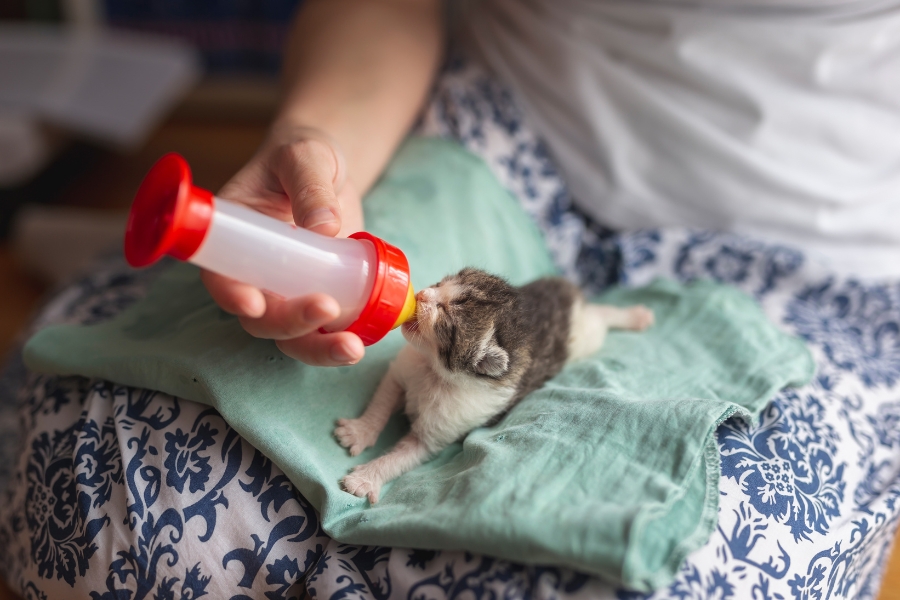
Bringing a new kitten into your home is an exciting and rewarding experience. However, with this new addition to your family comes a lot of responsibility. As a new pet parent, it’s essential to know how to take care of your kitten to ensure they grow up healthy, happy, and well-adjusted. From feeding and grooming to socializing and training, there are many things to consider when it comes to kitten care. In this guide, we’ll walk you through the basics of kitten care and offer helpful tips for first-time pet owners.
For pet parents in South Burlington, VT, this guide provides localized advice to help you give your kitten the best start in life, ensuring they thrive in their new home.
1. Creating a Safe and Comfortable Environment
The first step in taking care of your kitten is ensuring that they have a safe and comfortable space to explore. Kittens are naturally curious, but they can also be nervous in a new environment, so it’s important to make their space feel secure.
What You Need:
- A Quiet Space: Set up a cozy, quiet corner where your kitten can retreat when they need to rest. You can use a bed or blanket in a small, enclosed area to help them feel safe.
- Kitten-Proofing: Just like baby-proofing a house, you need to kitten-proof your home. Make sure dangerous items, such as cleaning products, electrical cords, and small objects, are out of reach.
- Litter Box: Place a litter box in an accessible and quiet area. Make sure to use a kitten-friendly litter, as some may have sensitive paws.
2. Feeding Your Kitten
Proper nutrition is vital for your kitten’s growth and development. During the first few months, your kitten will need a special diet that is different from that of an adult cat. Here’s what to keep in mind when feeding your kitten.
What to Feed Your Kitten:
- Kitten-Specific Food: Always choose food specifically labeled for kittens. These foods are specially formulated to meet the nutritional needs of growing kittens, with higher protein and fat content than adult cat food.
- Wet vs. Dry Food: Both wet and dry food can be beneficial for kittens. Wet food provides additional hydration and is often more palatable, while dry food helps with dental health. A combination of both is often recommended.
- Feeding Schedule: Feed your kitten small meals throughout the day. At 8 weeks, they should be fed 3-4 times a day. As they grow, you can transition to two meals a day.
Transitioning to Adult Food:
As your kitten approaches 6 months of age, you can start transitioning to adult cat food. Do this gradually to avoid upsetting their stomach, mixing the new food with their current kitten food.
3. Socializing and Handling Your Kitten
One of the most important aspects of kitten care is socialization. Kittens that are properly socialized tend to grow into well-adjusted and confident adult cats.
How to Socialize Your Kitten:
- Handle with Care: Gently handle your kitten, but avoid overwhelming them. Allow them to explore and approach you on their own terms. Gradually introduce them to other family members, pets, and new environments.
- Playtime: Kittens are naturally playful and energetic. Engage in interactive play with your kitten using toys like wand toys or laser pointers. This helps build a bond and provides mental stimulation.
- Exposure to Sounds and People: Start exposing your kitten to everyday household noises, such as the vacuum or dishwasher, and let them meet new people and pets in a controlled and positive manner.
4. Grooming Your Kitten
Grooming is an essential part of kitten care, not just for appearance but also for their health. Regular grooming helps prevent matting, promotes healthy skin, and can even strengthen the bond between you and your kitten.
Kitten Grooming Essentials:
- Brushing: Depending on the breed, your kitten may require regular brushing. Long-haired kittens need more frequent grooming to prevent their fur from matting. Short-haired kittens can be brushed once a week to reduce shedding.
- Bathing: In general, kittens don’t need frequent baths unless they get into something messy. If you do need to bathe them, use a kitten-safe shampoo and warm water.
- Nail Trimming: Keep your kitten’s claws trimmed to prevent scratching accidents. Start trimming their nails early to get them used to the process.
5. Training and Litter Box Habits
Training a kitten takes patience, but it’s a crucial part of ensuring they grow up to be well-behaved cats. Start early with basic training, including litter box training and scratching behavior.
Litter Box Training:
Most kittens instinctively know to use a litter box, but you may need to guide them in the beginning. Place them in the box after meals or naps, and be patient. Make sure the litter box is always clean, as kittens can be picky about hygiene.
Scratching Behavior:
Kittens have a natural instinct to scratch to mark their territory and stretch their muscles. Provide scratching posts or pads to satisfy this need and save your furniture from damage.
6. Veterinary Care and Vaccinations
Regular veterinary visits are essential for your kitten’s health. Your kitten will need a series of vaccinations to protect them from common diseases. Early visits also help establish a health record and build a relationship with your vet.
Initial Vet Visits:
- Vaccinations: Your kitten will need their first vaccinations between 6-8 weeks, followed by booster shots at 12 and 16 weeks. Vaccines protect against diseases such as distemper, feline leukemia, and rabies.
- Flea and Tick Prevention: Talk to your vet about flea and tick prevention. Kittens as young as 8 weeks can start flea treatment.
- Spaying/Neutering: Your vet will also discuss the appropriate time for spaying or neutering your kitten, which is typically done at 5-6 months of age.
7. Creating a Safe and Stimulating Environment
Kittens are curious and active, so it’s important to provide them with a stimulating environment that meets their needs.
What You Can Do:
- Toys and Enrichment: Provide your kitten with a variety of toys that challenge their mind and help burn off energy. Interactive toys, puzzle feeders, and cat trees are great options.
- Safe Space to Rest: Kittens need plenty of sleep. Ensure they have a comfortable, safe place to sleep and relax when they are not playing or exploring.
Caring for a kitten is a rewarding and joyful experience, but it also requires responsibility and dedication. By providing proper nutrition, grooming, socialization, and veterinary care, you’ll set your kitten up for a long, healthy, and happy life. Early training and creating a stimulating environment will help your kitten grow into a well-adjusted adult cat.
If you’re in South Burlington and looking for kitten care near you, contact Dorset Street Animal Hospital. Our veterinary team is dedicated to providing the best care for your new furry friend.
FAQs:
Q1. How often should I feed my kitten?
Ans. Kittens should be fed 3-4 times a day until they are 6 months old. After that, they can transition to two meals a day.
Q2. What is the best food for my kitten?
Ans. Choose high-quality kitten food that provides the right balance of protein, fat, and vitamins. Wet food and dry kibble can be fed in combination.
Q3. When should I start grooming my kitten?
Ans. Start grooming your kitten as soon as you bring them home. This helps them get used to the process and prevents mats in their fur.
Q4. How can I socialize my kitten?
Ans. Gently handle your kitten and expose them to new people, pets, and environments in a calm and positive way. Playtime also helps build a bond.
Q5. When should I take my kitten to the vet?
Ans. Your kitten should see a vet as soon as possible for their first vaccinations at 6-8 weeks of age. Regular vet visits are important for their health.
Q6. When should I spay or neuter my kitten?
Ans. Most vets recommend spaying or neutering your kitten between 5-6 months of age. Consult with your vet for the best timing.