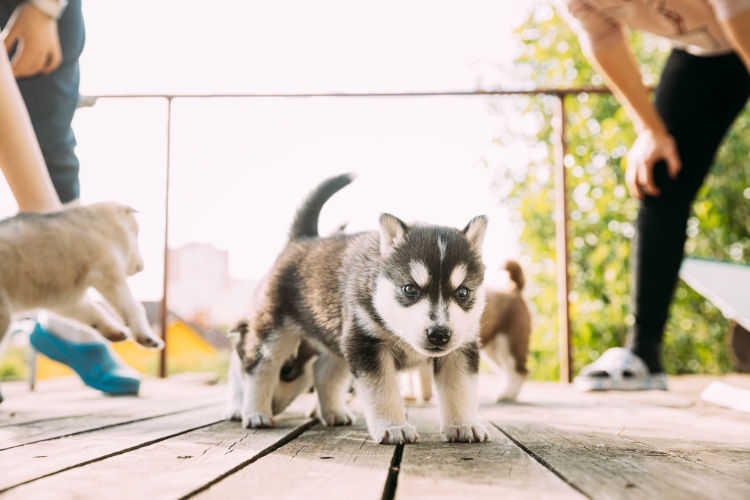
Bringing a new puppy home is exciting, but it also comes with responsibility. One of the most important things you can do early on is help your puppy feel comfortable in the world around them through socialization. Following proper socialization techniques can help your pup shape how they behave for the rest of their life.
A well-socialized puppy grows into a confident and calm dog. On the other hand, a lack of exposure can lead to fear, anxiety, and behavior issues later. In this guide, we’ll walk you through simple, practical ways to socialize your puppy and explain why it matters so much.
What is Puppy Socialization?
Puppy socialization is a core part of puppy care, achieved by gently introducing your puppy to new people, places, sounds, and experiences. The goal is to help them feel safe and relaxed in different situations.
However, it doesn’t mean you should overwhelm your puppy. Instead, it’s about slow and positive exposure. Every new experience should be calm and rewarding so your puppy learns that the world is not scary.
Why Socialization Matters for Your Puppy
Early experiences shape how your puppy reacts to life. The benefits of puppy socialization go beyond basic behavior. It impacts their mental health, safety, and overall quality of life.
Here’s why it matters:
- Builds confidence: Puppies learn to handle new situations without fear
- Reduces anxiety: Familiar experiences feel less stressful
- Improves behavior: Less barking, aggression, or hiding
- Keeps them safe: Calm dogs are easier to control in public
- Strengthens your bond: Trust grows when your puppy feels secure with you
Dogs that miss early exposure often struggle later, which can lead to long-term challenges that are harder to fix.
When Should You Start Socializing Your Puppy?
The ideal puppy socialization age is between 3 and 14 weeks. During this stage, puppies are naturally more open to new experiences, but socialization doesn’t stop after this period. You should continue introducing your dog to new things as they grow. The earlier you start, the easier it is to build positive habits. If your puppy is older, you can still help them learn, just go slower and be patient.
Signs Your Puppy Needs More Socialization
Not all puppies react the same way. Some are naturally confident, while others are more cautious.
Watch for these signs that your puppy may need more exposure:
- Hiding behind you in new places
- Barking or growling at strangers
- Fear of loud noises
- Hesitation around other dogs
- Avoiding new environments
If these behaviors continue, they can develop into serious undersocialized-dog problems, such as aggression or extreme fear.
Simple Puppy Socialization Tips That Work
You don’t need complicated methods to socialize your puppy. Small, daily experiences make a big difference. These puppy socialization tips are easy to follow and effective.
1. Introduce New People
Let your puppy meet different types of people: men, women, children, and seniors. Keep these meetings calm and positive.
Ask visitors to speak softly and offer treats, which helps your puppy associate people with good things.
2. Explore Different Environments
Take your puppy to safe places like parks, sidewalks, and pet-friendly stores.
Let them observe new sights and smells at their own pace. Don’t force them to interact if they seem unsure.
3. Expose Them to Everyday Sounds
Household noises like vacuum cleaners, doorbells, and traffic sounds can scare puppies if they aren’t used to them.
Start with low levels and slowly increase exposure. Ensure to reward calm behavior to build confidence.
4. Encourage Positive Dog Interactions
Meeting other friendly, vaccinated dogs is important. It teaches your puppy how to communicate and play properly.
Choose calm dogs for early introductions to avoid overwhelming your puppy.
5. Practice Gentle Handling
Regularly touching your puppy’s paws, ears, and mouth prepares them for grooming and vet visits.
Keep sessions short and reward them for staying relaxed.
6. Use Treats and Praise
Positive reinforcement is a key tool for improving behavior. Rewarding your puppy whenever they handle a new situation calmly builds trust and encourages them to stay relaxed in the future.
Creating a Puppy Socialization Checklist
Having a plan helps you stay consistent. A simple puppy socialization checklist ensures your puppy experiences a wide range of situations.
Here are some ideas to include:
- Meeting new people
- Walking on different surfaces (grass, pavement, sand)
- Hearing common sounds (cars, sirens, appliances)
- Visiting new places
- Interacting with other dogs
- Riding in a car
- Being handled gently
Check off each experience as your puppy becomes comfortable. Go at their pace and repeat exposures when needed.
Common Mistakes to Avoid
Socialization is important, but it needs to be done the right way. Avoid these common mistakes:
Rushing the Process
Too many new experiences at once can overwhelm your puppy. Take it slow.
Forcing Interactions
If your puppy is scared, don’t push them. Let them approach when they feel ready.
Skipping Positive Reinforcement
Without rewards, your puppy may not form positive associations.
Ignoring Fear Signals
Signs like trembling, tail tucking, or hiding mean your puppy needs a break.
Socializing Your Puppy Safely
Safety should always come first. Puppies are still developing their immune systems, so be mindful of where you take them.
Stick to clean, low-risk environments until your puppy is fully vaccinated. You can still expose them to the world by carrying them or using safe spaces like your home or yard.
Also, make sure all interactions are supervised to prevent negative experiences that could create fear.
Long-Term Impact of Socialization
The effort you put in now will shape your dog’s future. A well-socialized dog is easier to train, more relaxed, and better behaved.
On the other hand, dogs that miss early exposure often need extra training later. Some fears can be difficult to reverse completely. Socialization helps improve your dog’s behavior, allowing your dog to live a happy, stress-free life.
Keep Socialization Going as Your Puppy Grows
Socialization doesn’t end after the first few months. Continue exposing your dog to new experiences as they grow. Try new walking routes, introduce different people, and keep practicing positive interactions, which help maintain their confidence over time. Consistency is what makes socialization successful.
Give Your Puppy the Best Start in Life
Helping your puppy feel safe and confident is one of the best gifts you can give them. Socialization builds the foundation for a happy, well-adjusted dog that enjoys being part of your daily life.
If you have questions or need guidance about puppy care near you, contact Dorset Street Animal Hospital today. Our team is here to help ensure your puppy gets the right start with expert care and support.
FAQs
1. How long should I socialize my puppy each day?
Short sessions of 10 to 15 minutes are enough. Focus on quality, not quantity. Puppies can get tired or overwhelmed quickly, so it’s better to keep sessions calm and positive rather than long and stressful. You can repeat these short sessions a few times throughout the day in different settings. Always watch your puppy’s body language and give them breaks when needed.
2. Can I socialize my puppy before vaccinations are complete?
Yes, but keep it safe. Avoid high-risk areas and focus on controlled environments. You can introduce your puppy to people at home, carry them in public spaces, or let them observe the world from a distance, helping them gain exposure without risking anything. Always check with your vet to make sure your approach is safe for your puppy’s health.
3. What if my puppy is scared of everything?
Start small and go slowly. Reward calm behavior and avoid forcing situations. Let your puppy explore new things at their own pace, even if progress feels slow. Use treats, praise, and a reassuring tone to build their confidence. Over time, repeated positive experiences will help reduce fear and make your puppy feel more secure in different environments.
4. Is it ever too late to socialize a dog?
No, but it may take more time and patience. Older dogs can still learn with the right approach. You may need to introduce new experiences more gradually and be extra consistent with positive reinforcement. Some fears may not fully go away, but they can improve significantly. With patience and support, even adult dogs can become more confident and comfortable.
5. How do I know if socialization is working?
Your puppy will appear more relaxed and confident in new situations, show curiosity rather than fear, and recover quickly from unfamiliar experiences. You’ll notice fewer signs of stress, like hiding or barking. Over time, your puppy will handle new people, places, and sounds with ease, making everyday activities more enjoyable for both of you.