
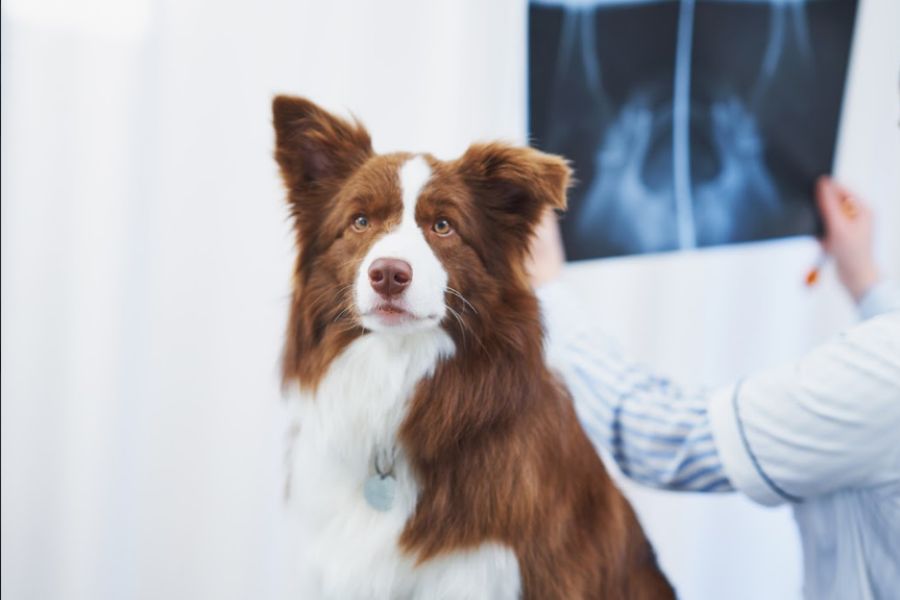
When pets experience an injury, identifying the exact cause of pain or discomfort is not always straightforward. Dogs and cats cannot explain what happened or describe how they feel, making it challenging for veterinary professionals to determine the extent of an injury through a physical examination alone. This is where diagnostic imaging plays a critical role. Advanced imaging technologies allow veterinarians to look beneath the surface, helping them detect fractures, soft tissue damage, internal abnormalities, and other conditions that may not be visible externally.
For pet owners, understanding how diagnostic tools work can provide confidence in the treatment process and help ensure their furry companions receive the care they need as quickly as possible.
Understanding Diagnostic Imaging in Veterinary Medicine
Diagnostic imaging refers to a variety of techniques used to create detailed images of a pet’s internal structures. These tools help veterinary professionals evaluate bones, organs, muscles, joints, and other tissues without invasive procedures.
Common imaging methods include:
- Digital radiography (X-rays)
- Ultrasound examinations
- Computed tomography (CT scans)
- Magnetic resonance imaging (MRI)
Each technology serves a unique purpose and may be recommended depending on the nature of the injury or suspected condition.
Why Physical Exams Alone May Not Be Enough
A physical examination is often the first step in evaluating an injured pet. However, some injuries can be difficult to detect through observation and touch alone.
For example:
- Hairline fractures may not be obvious externally.
- Internal bleeding can occur without visible wounds.
- Soft tissue injuries may cause subtle symptoms.
- Joint damage may not produce immediate swelling.
Diagnostic imaging allows veterinarians to gather additional information that supports a more accurate diagnosis and treatment plan.
How Diagnostic Imaging Helps Identify Bone Injuries
Detecting Fractures and Breaks
One of the most common uses of diagnostic imaging is identifying fractures. Even when a pet appears to be walking normally, a small fracture can still be present.
X-rays help veterinarians evaluate:
- Broken bones
- Stress fractures
- Joint dislocations
- Bone infections
- Abnormal bone growth
Accurate imaging helps determine whether an injury requires surgical correction, stabilization, or conservative management.
Monitoring Healing Progress
Imaging is not only valuable for diagnosis but also for follow-up care.
Veterinarians often use repeat imaging studies to:
- Monitor bone healing
- Assess alignment after treatment
- Evaluate recovery progress
- Identify potential complications
This ongoing evaluation helps ensure pets recover as expected.
Diagnosing Soft Tissue Injuries
Not all injuries involve bones. Damage to muscles, tendons, ligaments, and internal organs can be equally serious.
Identifying Muscle and Ligament Damage
Active dogs and cats can experience strains, sprains, or ligament injuries that affect mobility.
Advanced imaging may reveal:
- Torn ligaments
- Muscle injuries
- Joint inflammation
- Tendon abnormalities
By identifying the exact location and severity of the injury, veterinarians can recommend appropriate treatment strategies.
Detecting Internal Trauma
Falls, accidents, or blunt-force injuries can cause internal damage that is not immediately visible.
Imaging can help identify:
- Organ injuries
- Internal bleeding
- Fluid accumulation
- Tissue swelling
Early detection often allows for more effective medical intervention and improved outcomes.
The Role of Ultrasound in Injury Diagnosis
Ultrasound technology uses sound waves to create real-time images of internal organs and soft tissues.
Unlike traditional radiographs, ultrasound is particularly useful for evaluating:
- The liver
- Kidneys
- Spleen
- Bladder
- Heart
- Abdominal structures
For pets experiencing trauma, ultrasound can quickly help determine whether internal organs have been affected.
Benefits of Ultrasound
Ultrasound offers several advantages:
- Non-invasive evaluation
- Real-time imaging
- No surgical exploration required
- Excellent soft tissue visualization
These benefits make ultrasound a valuable diagnostic tool in many injury-related cases.
When Advanced Imaging Becomes Necessary
Some injuries require more detailed evaluation than standard X-rays can provide.
CT Scans
CT imaging creates highly detailed cross-sectional images that help veterinarians examine:
- Complex fractures
- Skull injuries
- Spinal abnormalities
- Joint disorders
The enhanced detail supports more precise diagnosis and treatment planning.
MRI Technology
MRI is especially useful for examining soft tissues and neurological structures.
Veterinarians may recommend MRI when evaluating:
- Brain injuries
- Spinal cord conditions
- Nerve damage
- Chronic mobility issues
These detailed images provide valuable insights that may not be available through other imaging methods.
Benefits of Early Injury Detection
Prompt diagnosis is one of the most significant advantages of diagnostic imaging.
Faster Treatment Decisions
The sooner an injury is identified, the sooner appropriate care can begin.
Early diagnosis may help:
- Reduce discomfort
- Prevent further injury
- Improve healing outcomes
- Minimize long-term complications
More Accurate Treatment Plans
Without imaging, treatment decisions may rely heavily on symptoms alone.
Diagnostic information helps veterinary professionals:
- Confirm diagnoses
- Rule out alternative causes
- Determine injury severity
- Customize treatment recommendations
This level of accuracy contributes to better overall patient care.
Common Signs Your Pet May Need Diagnostic Imaging
Pet owners should seek veterinary evaluation if they notice:
- Limping or difficulty walking
- Reluctance to jump or climb
- Sudden changes in activity levels
- Swelling around joints
- Persistent discomfort
- Unexplained behavioral changes
- Difficulty standing
- Visible trauma after an accident
These signs do not always indicate a serious injury, but diagnostic imaging can help determine the underlying cause.
How Imaging Improves Long-Term Recovery
Effective treatment begins with an accurate diagnosis. Once veterinarians understand the nature of an injury, they can create recovery plans tailored to the pet’s specific needs.
Diagnostic imaging supports long-term recovery by:
- Tracking healing progress
- Identifying setbacks early
- Adjusting treatment plans when necessary
- Confirming successful rehabilitation
This ongoing monitoring helps ensure pets return to normal activities safely and comfortably.
Supporting Better Veterinary Care Through Technology
Veterinary medicine continues to evolve, and imaging technology remains one of the most valuable tools available for diagnosing injuries in dogs and cats. From detecting fractures to evaluating internal trauma, these advanced techniques provide essential information that guides treatment decisions and supports better outcomes.
Pet owners in South Burlington can benefit from understanding how these tools contribute to comprehensive veterinary care. Whether addressing a recent injury or investigating unexplained symptoms, imaging technology helps uncover answers that may otherwise remain hidden.
Schedule an Appointment Today
If you are from South Burlington and looking for Diagnostic Imaging services for your pet, consider scheduling an online appointment with Dorset Street Animal Hospital. Early evaluation and advanced diagnostic tools can help identify injuries accurately and support your pet’s recovery journey.
Frequently Asked Questions
Q1. How long does diagnostic imaging usually take for pets?
The time required depends on the type of imaging being performed. Standard radiographs may take only a few minutes, while advanced procedures such as CT scans or MRI studies may require additional preparation and imaging time. Your veterinarian will explain what to expect before the procedure begins.
Q2. Is diagnostic imaging safe for dogs and cats?
Yes. Veterinary imaging procedures are designed with safety in mind. The imaging method used will depend on your pet’s condition, age, and medical history. Veterinary teams follow established protocols to ensure procedures are performed as safely and effectively as possible.
Q3. Can diagnostic imaging detect conditions other than injuries?
Absolutely. Imaging is frequently used to evaluate internal organs, monitor chronic conditions, identify masses, assess joint health, and investigate unexplained symptoms. It is an important tool for diagnosing a wide range of medical concerns beyond traumatic injuries.
Q4. Why might my pet need more than one imaging test?
Different imaging technologies provide different types of information. For example, X-rays are useful for evaluating bones, while ultrasound offers better visualization of soft tissues. Combining multiple imaging methods may help veterinarians obtain a more complete understanding of a pet’s condition.
Q5. Does every limping pet need diagnostic imaging?
Not always. Some minor injuries may improve with rest and monitoring. However, persistent limping, worsening symptoms, or signs of significant discomfort often warrant further evaluation. Your veterinarian will determine whether imaging is appropriate based on the examination findings.