
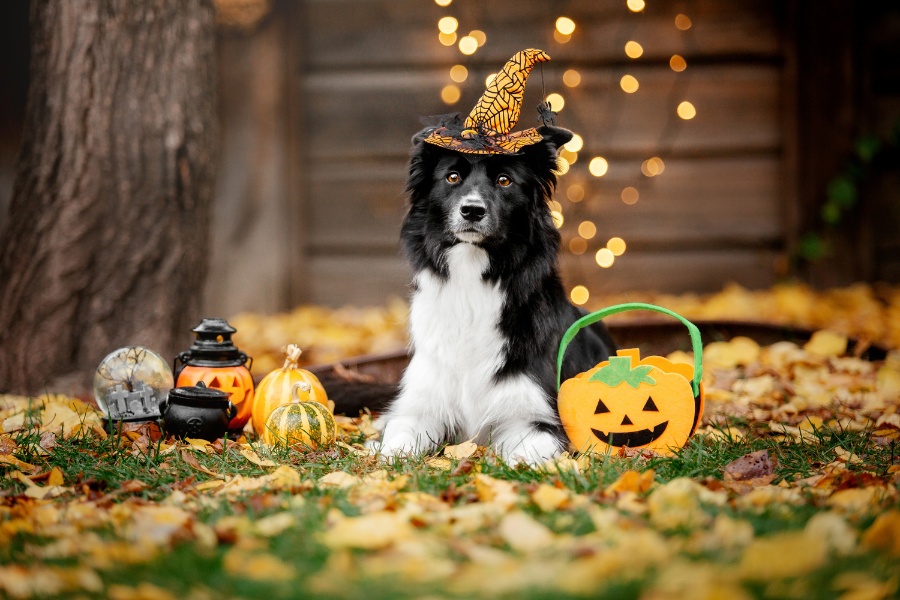
Halloween is a fun opportunity for pet owners to dress their dogs in adorable costumes and include them in seasonal celebrations. From tiny pumpkins and friendly ghosts to superheroes and storybook characters, there are plenty of creative ways to celebrate with a furry companion. However, choosing a costume involves more than finding the right design. Pet owners must also consider comfort, ventilation, and the possibility of overheating, especially during indoor gatherings.
Dogs regulate their body temperature differently from humans. They primarily cool themselves through panting, with a smaller amount of heat released through their paw pads. A costume that covers much of the body, traps warmth, or restricts movement can interfere with their ability to stay comfortable. Even inside a home, warm rooms, crowded gatherings, excitement, and physical activity can increase a dog’s body temperature.
Understanding the connection between Halloween costumes and overheating can help pet owners make safer choices. If you are searching for a veterinarian near me in South Burlington, learning how to recognize heat-related warning signs can also help you make informed decisions about your dog’s seasonal activities.
Why Dogs Can Overheat While Wearing Halloween Costumes
A dog does not need to spend time outdoors in warm weather to experience overheating. Indoor conditions can create similar risks, particularly when a dog wears clothing that limits airflow.
Several factors can contribute to overheating during Halloween celebrations.
Poor ventilation: Thick fabrics, fleece, padded costumes, and multiple clothing layers can trap body heat. Costumes covering the chest, back, and abdomen may make it harder for heat to escape.
Restricted movement: Tight neck openings, narrow leg holes, and elastic bands can interfere with natural movement. A dog that struggles to walk comfortably may become stressed and breathe more rapidly.
Excitement and activity: Meeting unfamiliar guests, hearing loud noises, and repeatedly approaching the door can raise a dog’s activity level. Combining excitement with a warm costume may increase the risk of overheating.
Warm indoor environments: Heating systems, crowded rooms, direct sunlight through windows, and limited air circulation can make indoor spaces uncomfortable for pets.
Individual health factors: Puppies, senior dogs, overweight dogs, and dogs with short muzzles may have more difficulty regulating their body temperature. Dogs with certain respiratory or cardiovascular conditions may also be more vulnerable.
A costume that seems comfortable for a few minutes may become uncomfortable after an hour. Regular observation is therefore essential throughout the celebration.
Early Signs of Overheating to Watch For
Recognizing early warning signs allows pet owners to respond before a dog’s condition worsens. Pay attention to changes in breathing, behavior, posture, and movement whenever your dog wears a Halloween costume.
Excessive or Heavy Panting
Panting is a normal way for dogs to release heat. However, unusually heavy, rapid, or persistent panting can indicate that your dog is struggling to cool down.
If your dog continues panting heavily while resting indoors, check the room temperature and remove the costume. Give your pet access to a cooler, well-ventilated area with fresh water.
Excessive Drooling
Some dogs naturally drool more than others, but a sudden increase in thick or heavy saliva can signal heat stress. Notice whether drooling occurs alongside rapid breathing, restlessness, or a change in your dog’s usual behavior.
Restlessness and Repeated Attempts to Remove Clothing
A dog that repeatedly scratches at a costume, rolls on the floor, hides, or tries to escape may be uncomfortable. Although these behaviors can also indicate that a costume does not fit properly, they should not be ignored.
Remove the outfit and allow your dog to relax without clothing. Never force your pet to remain dressed simply to complete photographs or entertain guests.
Red Gums and Increased Heart Rate
Bright red gums, unusually rapid breathing, and a noticeably elevated heart rate can be concerning signs of overheating. These symptoms deserve particular attention when they occur together or appear suddenly.
Weakness, Confusion, or Collapse
Difficulty standing, stumbling, unusual confusion, vomiting, seizures, or collapse may indicate severe heat-related illness. These signs require immediate veterinary attention. Do not wait for your dog to cool down on its own before seeking help.
Choosing a Halloween Costume That Supports Comfort
The safest Halloween outfit is one that allows your dog to move freely, breathe normally, and remain comfortable. Elaborate designs may look appealing, but simple costumes are often easier to monitor and remove.
Choose lightweight materials. Look for breathable fabrics that do not trap excessive heat. Avoid thick padding, heavy fleece, and multiple layers when indoor temperatures are warm.
Check the fit carefully. The costume should not press tightly against the neck, chest, or abdomen. Your dog should be able to walk, sit, lie down, and turn its head without difficulty.
Keep the face uncovered. Avoid costumes that obstruct the nose, mouth, eyes, or ears. Dogs need unrestricted breathing, clear vision, and the ability to respond to their surroundings.
Avoid unnecessary accessories. Heavy hats, wigs, dangling decorations, and bulky attachments can increase discomfort. Small decorative pieces may also become choking hazards if chewed or swallowed.
Inspect the costume before use. Look for loose threads, sharp edges, detachable buttons, and small parts. Make sure there are no tight straps or pieces that could catch on furniture.
Test the outfit gradually. Let your dog wear the costume for a short period in a calm environment before Halloween. Watch for panting, scratching, freezing, or attempts to remove it.
Remember that not every dog enjoys clothing. If your pet seems uncomfortable even in a lightweight outfit, consider a festive bandana or seasonal collar instead, provided it fits safely.
How to Keep Your Dog Cool During Indoor Halloween Parties
Indoor celebrations can be enjoyable for pets when their comfort remains a priority. A few practical adjustments can help reduce the risk of overheating.
Maintain a Comfortable Indoor Temperature
Keep the room cool and well ventilated. Avoid placing your dog near heaters, fireplaces, sunny windows, or other sources of concentrated heat. If guests make the room warmer, give your pet access to a quieter, cooler space.
Provide Fresh Drinking Water
Place a bowl of clean, fresh water somewhere your dog can reach easily. Check it periodically, especially if your pet is panting more than usual.
Never force a dog to drink. If your pet appears weak, disoriented, or unable to swallow normally, seek veterinary guidance rather than attempting to give water by mouth.
Schedule Costume Breaks
Remove the costume regularly, even if your dog initially appears comfortable. Short breaks provide an opportunity to inspect the skin, check breathing, and assess whether your pet is becoming tired or overheated.
For dogs that show any signs of distress, remove the costume immediately rather than waiting for a scheduled break.
Create a Quiet Retreat
Guests, music, doorbells, and children moving around can overstimulate some dogs. Set up a calm area with familiar bedding where your pet can rest away from the crowd.
Allow your dog to leave the gathering whenever it chooses. A quiet retreat is especially helpful for older pets and dogs that become anxious around unfamiliar people.
Limit the Time Spent in Costume
There is no single safe duration for every dog. Comfort depends on the individual animal, the costume, room conditions, and activity level.
Use the shortest practical costume session, supervise your dog continuously, and remove the outfit whenever discomfort appears. Your pet’s comfort matters more than keeping the costume on for photographs.
What to Do if Your Dog Shows Signs of Overheating
If you suspect your dog is overheating, act promptly.
First, remove the costume and move your pet to a cooler, well-ventilated area. Stop any activity and allow your dog to rest. You can apply cool, not ice-cold, water to the body while arranging veterinary guidance. Avoid ice baths or extreme cooling methods unless a veterinary professional specifically directs you.
Contact a veterinarian promptly if heavy panting does not settle quickly or if your dog shows concerning symptoms. Weakness, confusion, vomiting, breathing difficulty, seizures, or collapse require immediate veterinary attention.
Do not give human medications or assume your dog will recover simply because the costume has been removed. Heat-related illness can progress rapidly, and apparent improvement does not always mean the danger has passed.
When seeking veterinary care, explain what happened, how long your dog wore the costume, the indoor conditions, and the symptoms you observed. These details can help the veterinary team assess the situation.
Making Halloween Enjoyable for Dogs in South Burlington
Halloween does not have to involve a complicated costume to create memorable moments with your pet. A short photo session, a comfortable seasonal accessory, or simply spending time together can be just as enjoyable.
Before the festivities begin, consider your dog’s age, health, temperament, and tolerance for clothing. Keep decorations out of reach, supervise interactions with guests, and make sure your pet has a safe place to rest.
Most importantly, learn your dog’s normal behavior so you can recognize changes quickly. Panting, restlessness, unusual drooling, and attempts to escape clothing should prompt a closer look at your pet’s comfort.
If you have concerns about your dog’s ability to tolerate costumes or want guidance on recognizing heat-related symptoms, a veterinary professional can offer advice tailored to your pet. Searching for a veterinarian near me can help South Burlington pet owners identify local veterinary support for questions about seasonal safety and general wellness.
Schedule a Visit With Dorset Street Animal Hospital
Make your dog’s Halloween experience comfortable, calm, and enjoyable by putting safety first. If you have questions about costume selection, overheating symptoms, or your pet’s individual health needs, contact Dorset Street Animal Hospital in South Burlington for guidance.
Visit the hospital’s website to explore appointment options or ask the team about scheduling a visit. With thoughtful preparation and close supervision, you can enjoy the Halloween season while keeping your dog comfortable and safe.
Frequently Asked Questions
Q1. Can dogs overheat while wearing Halloween costumes indoors?
Ans: Yes. Thick fabrics, crowded rooms, excitement, and warm indoor temperatures can contribute to overheating. Monitor your dog closely and remove the costume if you notice heavy panting or discomfort.
Q2. What are the first signs that a dog is overheating in a costume?
Ans: Early warning signs may include excessive panting, increased drooling, restlessness, repeated attempts to remove clothing, and difficulty settling down. Remove the costume and move your dog to a cooler area.
Q3. How long is it safe for a dog to wear a Halloween costume?
Ans: There is no universal time limit because every dog and costume is different. Keep costume sessions brief, supervise your pet continuously, and remove the outfit immediately if your dog shows discomfort.
Q4. Which Halloween costumes are safer for dogs?
Ans: Lightweight, breathable costumes that allow unrestricted movement and leave the face uncovered are generally more suitable. Avoid tight straps, heavy layers, and small detachable decorations. A simple bandana may be a more comfortable alternative.
Q5. When should I contact a veterinarian if my dog overheats?
Ans: Contact a veterinarian promptly if your dog shows persistent heavy panting or other concerning symptoms. Weakness, confusion, vomiting, breathing difficulty, seizures, or collapse require immediate veterinary attention.