
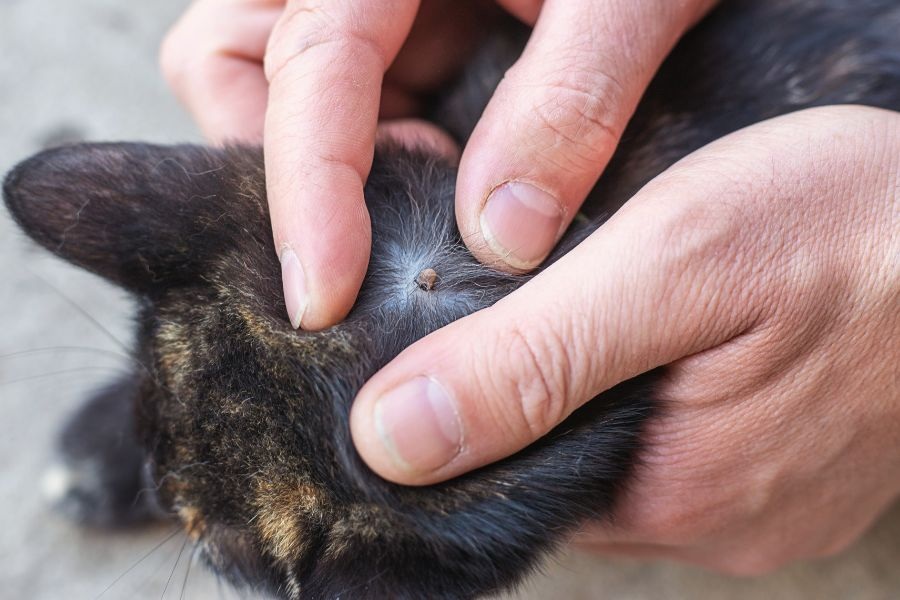
Parasites are one of the most common — and most preventable — threats to your pet’s health. Fleas, ticks, and heartworms affect millions of dogs and cats every year, causing everything from mild skin irritation to life-threatening illness. The good news is that with the right parasite prevention plan in place, most of these conditions are entirely avoidable. At Dorset Street Animal Hospital, we help pet owners in South Burlington protect their companions year-round with proactive, veterinarian-recommended prevention strategies that are safe, effective, and easy to maintain.
Why Parasite Prevention Matters More Than You Think
It’s easy to assume that parasites are a seasonal concern — something to think about in the warmer months and set aside once temperatures drop. But that assumption leaves pets vulnerable. Fleas can survive indoors year-round, ticks are active in temperatures as low as 35°F, and heartworm-carrying mosquitoes thrive during Vermont’s warm seasons with enough intensity to pose a real risk to unprotected pets.
Beyond the discomfort parasites cause, the health consequences can be severe. Flea infestations can trigger intense allergic reactions, cause anemia in smaller or younger pets, and transmit tapeworms. Ticks are vectors for a range of serious diseases including Lyme disease, anaplasmosis, and ehrlichiosis — conditions that can cause lasting damage to joints, organs, and overall health if not caught and treated early. Heartworm disease, transmitted through mosquito bites, can cause irreversible damage to the heart and lungs and is significantly more difficult and expensive to treat than it is to prevent.
The case for consistent parasite prevention is clear — and it starts with understanding what you’re up against.
How to Prevent Fleas in Dogs and Cats
Fleas are remarkably resilient. A single flea can lay up to 50 eggs per day, and an infestation can take hold in a home with startling speed. Preventing fleas before they become a problem is far easier — and far less costly — than treating an established infestation.
Veterinarian-recommended flea prevention products come in several forms, including monthly topical treatments applied to the skin, oral chewable tablets, and flea prevention collars. Each has its own advantages depending on your pet’s lifestyle, health history, and tolerance for different application methods. Your veterinarian can help you identify the best fit.
It’s equally important to treat the environment. Fleas spend the majority of their life cycle off the pet — in carpets, bedding, and furniture — which means treating your pet alone isn’t always enough. Regular vacuuming, washing pet bedding frequently, and addressing any wildlife or stray animal activity around your home reduces the flea pressure your pet is exposed to.
Consistency is everything when it comes to flea prevention. Missing even one month of treatment creates a window of vulnerability that fleas are quick to exploit.
How to Prevent Ticks and Tick-Borne Disease
Ticks are a genuine concern for pets and people throughout South Burlington and the broader Vermont region. The wooded trails, grassy parks, and natural landscapes that make this area so beautiful also happen to be prime tick habitat — making tick prevention a non-negotiable part of responsible pet ownership here.
Effective tick prevention begins with a veterinarian-approved product used consistently throughout tick season — and in Vermont, that season extends well beyond summer. Monthly topical treatments and oral tick preventatives are the most reliable options, offering protection that kills or repels ticks before they have the opportunity to transmit disease.
Performing a thorough tick check after every outdoor excursion is an important companion habit. Run your fingers through your pet’s coat, paying particular attention to the ears, between the toes, around the collar, and in the groin and armpit areas where ticks prefer to attach. Removing a tick promptly — within 24 to 36 hours of attachment — significantly reduces the risk of disease transmission.
Keeping lawns trimmed short, clearing leaf litter, and creating a barrier of wood chips or gravel between wooded areas and your yard can also help reduce tick exposure around your home.
How to Prevent Heartworms
Heartworm disease is transmitted through the bite of an infected mosquito — and because mosquitoes are impossible to avoid entirely during warmer months, prevention through medication is the only reliable strategy. Fortunately, heartworm prevention is straightforward, affordable, and highly effective when administered consistently.
Monthly heartworm preventatives — available as chewable tablets, topical treatments, or in some cases injectable options administered by your veterinarian — work by eliminating any heartworm larvae your pet may have been exposed to during the previous month. This is why consistency matters so much. A single missed dose can leave your pet unprotected during a critical window.
Before starting any heartworm prevention medication, your veterinarian will recommend a heartworm test. This is important because administering prevention to a pet that already has an active heartworm infection can cause serious complications. Annual heartworm testing — even for pets on consistent prevention — is standard practice and provides peace of mind that the prevention is working as intended.
Because heartworm disease is so much more difficult and costly to treat than to prevent, this is one area where proactive care truly pays for itself.
Building a Year-Round Parasite Prevention Plan
The most effective approach to parasite prevention is a comprehensive, year-round plan tailored to your pet’s individual needs, lifestyle, and local risk factors. A pet that spends significant time outdoors in wooded or grassy areas has a different risk profile than one who is primarily indoors — and your prevention strategy should reflect that.
At Dorset Street Animal Hospital, we work with each pet owner to build a personalized parasite prevention plan that covers fleas, ticks, and heartworms without gaps or guesswork. This includes selecting the right products, establishing a consistent administration schedule, and scheduling annual testing to confirm your pet remains parasite-free.
Routine wellness visits are an essential part of this process. They give your veterinarian the opportunity to assess your pet’s current parasite prevention coverage, make adjustments based on any changes in lifestyle or local risk, and catch any early signs of parasite-related illness before they become more serious. Prevention works best when it’s part of an ongoing relationship with a veterinary team that knows your pet well.
Conclusion: Prevention Is Always the Better Choice
When it comes to fleas, ticks, and heartworms, the effort required to prevent infestation or infection is a fraction of what it takes to treat it. A consistent parasite prevention routine protects your pet from discomfort, disease, and the kind of serious health complications that can significantly impact their quality and length of life.
At Dorset Street Animal Hospital in South Burlington, our team is here to help you build a prevention plan that fits your pet’s life and keeps them protected through every season. Make your pet’s health a priority — book online for a pet check-up today.
Frequently Asked Questions
Q1. How often should my pet receive parasite prevention treatment?
Most flea, tick, and heartworm prevention products are administered monthly, though some options — such as certain tick collars or injectable heartworm preventatives — offer longer-lasting protection. Your veterinarian will recommend the right product and schedule based on your pet’s individual needs and lifestyle.
Q2. Do indoor pets need parasite prevention too?
Yes. Fleas can hitch a ride indoors on clothing, shoes, or other pets. Mosquitoes can enter the home and transmit heartworm. Even primarily indoor pets benefit from consistent prevention, particularly for heartworm and fleas.
Q3. What are the signs that my pet may have fleas, ticks, or heartworms?
Flea signs include excessive scratching, hair loss, and small dark specks in the coat. Ticks are often visible as small lumps attached to the skin. Heartworm signs — coughing, fatigue, and reduced exercise tolerance — typically don’t appear until the disease is advanced, which is why prevention and annual testing are so important.
Q4. Can I use over-the-counter parasite prevention products instead of prescription ones?
Over-the-counter products vary widely in effectiveness and safety. Some are less effective than veterinarian-recommended options, and certain ingredients in OTC products can be harmful to cats or specific dog breeds. It’s always best to consult your veterinarian before choosing a parasite prevention product to ensure it’s both safe and effective for your individual pet.
Q5. How is heartworm disease treated if my pet gets infected?
Heartworm treatment in dogs involves a series of injections to kill the adult worms, strict exercise restriction, and close veterinary monitoring — a process that is lengthy, expensive, and physically demanding on your pet. There is currently no approved treatment for heartworm disease in cats, making prevention the only reliable option for felines.