Persistent stomach problems in pets can be stressful for both pets and their owners. Recurring vomiting, loose stools, loss of appetite, or unexplained weight loss often point to deeper health concerns that cannot be solved with basic care alone. Many pet owners try diet changes or medications, but symptoms can still return again and again.
Clear answers require a closer look inside the body without causing pain or stress. Modern imaging methods allow vets to understand what is happening beneath the surface. Among these methods, pet ultrasound stands out as a reliable and gentle way to identify the root cause of chronic tummy troubles.
What Makes Ultrasound a Game-Changer for Pet Care
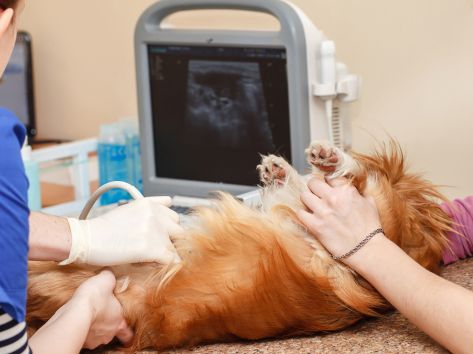
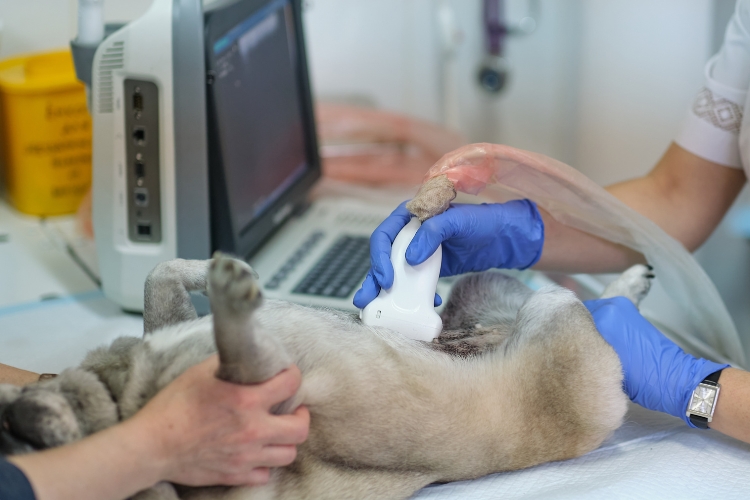
Ultrasound uses sound waves to create detailed images of the inside of your pet’s body. Unlike older imaging tools, it does not rely on radiation or invasive procedures. A trained veterinarian can move a small handheld device over the belly to view organs in real time.
Images produced through veterinary ultrasound help detect inflammation, fluid buildup, masses, or abnormal organ shapes. Real-time viewing allows the vet to see how organs function rather than just capturing a single still image, often leading to faster and more accurate diagnoses.
Pets with long-term digestive issues benefit greatly from this method because it reveals changes that basic exams or lab tests might not detect.
Common Causes Behind Chronic Digestive Problems in Pets
Long-term stomach problems often stem from underlying conditions that need proper diagnosis. Identifying these causes early helps prevent complications and improves your pet’s quality of life.
- Inflammatory bowel disease: Chronic inflammation in the digestive tract can cause recurring vomiting and diarrhea. Ultrasound helps detect thickened intestinal walls and other signs linked to this condition.
- Foreign objects inside the stomach: Pets sometimes swallow items that remain stuck in the digestive system. Ultrasound helps locate objects that may not be clearly visible on other scans.
- Tumors or other abnormal growths: Tumors in organs such as the liver or intestines can cause digestive symptoms. Early detection through imaging helps guide timely treatment.
- Organ dysfunction or infection: Problems in the liver, pancreas, or kidneys often affect digestion. Ultrasound allows vets to examine these organs closely and identify any irregularities.
Each of these conditions requires a different treatment approach, which makes accurate diagnosis extremely important.
Why Ultrasound Offers Better Clarity Than Traditional Methods
Traditional imaging tools still have their place in veterinary care, but they often lack the level of detail needed for complex digestive issues. Many pet owners wonder about a pet ultrasound vs. an X-ray when trying to decide which is best.
X-rays are useful for spotting bones, large foreign objects, or major structural changes. However, soft tissues like the intestines, liver, or pancreas do not always appear clearly. Ultrasound, on the other hand, provides a clearer view of soft tissues and allows the vet to observe movement within the organs.
Real-time imaging means the veterinarian can watch how food moves through the digestive tract or how organs respond during the scan, which helps detect subtle issues that might otherwise go unnoticed.
Gentle, Non-Invasive, and Comfortable for Pets
Many pet owners worry about how diagnostic procedures might affect their pets. A common question is whether ultrasound is safe for pets, and the answer is reassuring.
Ultrasound is considered one of the safest diagnostic tools available in veterinary care. It does not involve radiation, which makes it suitable for repeated use when monitoring ongoing conditions. Most pets tolerate the procedure well, and sedation is rarely needed.
The process usually involves trimming a small area of fur and applying a gel to improve contact with the skin. The handheld device glides over the area while images appear on a screen. Pets remain awake and comfortable throughout the exam.
How Ultrasound Helps Identify Hidden Problems Quickly
Chronic tummy issues often develop slowly, and symptoms may appear mild at first. Delayed diagnosis can lead to worsening conditions and more complicated treatments later. Ultrasound helps detect problems early, even before symptoms become severe.
Detailed imaging allows the vet to identify inflammation, fluid accumulation, or changes in organ structure. Early detection leads to quicker treatment decisions, which improve recovery outcomes.
Many pet owners ask if imaging truly makes a difference in diagnosis. In many cases, whether ultrasound is more accurate than X-ray for pets becomes an important consideration. Ultrasound often provides clearer insight into soft-tissue conditions, making it a preferred choice for digestive concerns.
Real-Time Insights That Guide Better Treatment Plans
One of the biggest advantages of ultrasound lies in its ability to show real-time activity inside the body. Unlike static images, ultrasound allows the vet to observe how organs function during the exam.
Seeing movement in the digestive tract helps determine whether food is passing normally or if there is a blockage. Observing blood flow and tissue structure helps identify inflammation or infection.
Accurate information leads to more targeted treatment plans. Instead of guessing or trying multiple medications, the vet can focus on the exact issue, reducing unnecessary treatments and helping pets recover faster.
When Your Pet Might Need an Ultrasound Exam
Certain symptoms signal the need for a deeper look inside your pet’s body. Chronic digestive problems should never be ignored, especially when they continue despite treatment.
- Repeated vomiting episodes: Ongoing vomiting often indicates underlying irritation or obstruction in the digestive system.
- Frequent diarrhea or loose stools: Persistent digestive upset may point to inflammation or infection within the intestines.
- Unexplained weight loss: Weight loss without diet changes often signals a deeper health issue affecting nutrient absorption.
- Loss of appetite over time: Reduced interest in food can be linked to discomfort or an internal disease.
- Visible abdominal discomfort: Signs like bloating, whining, or restlessness may indicate pain or internal issues.
Recognizing these symptoms early and seeking veterinary evaluation helps prevent complications and ensures timely care.
What to Expect During the Ultrasound Process
Understanding the process helps pet owners feel more confident about choosing an ultrasound for their pets. The procedure is simple, quick, and designed to keep pets comfortable.
The veterinarian will begin by reviewing your pet’s symptoms and medical history. A small area of fur may be trimmed to allow better contact with the ultrasound device. A clear gel is applied to the skin, and the device is gently moved across the abdomen.
Images appear instantly on a monitor, allowing the vet to examine organs and tissues in detail. The entire process usually takes less than an hour, depending on the complexity of the case.
After the exam, the vet will explain the findings and recommend the next steps for treatment or further testing if needed.
Why Early Diagnosis Makes a Huge Difference
Chronic digestive issues rarely resolve on their own without proper diagnosis and care. Delayed treatment can lead to more serious complications, including organ damage or severe infections.
Ultrasound plays a key role in identifying problems before they reach advanced stages. Early diagnosis allows for simpler treatments, shorter recovery times, and better overall outcomes.
Regular checkups combined with timely imaging help maintain your pet’s health and prevent recurring issues from becoming long-term problems.
A Smarter Way to Solve Stomach Issues for Good
Long-term digestive problems can affect your pet’s comfort, energy levels, and overall well-being. Finding the root cause is the first step toward lasting relief. Ultrasound offers a clear and gentle way to uncover hidden issues and guide effective treatment.
Choosing advanced imaging ensures your pet receives the care needed to live a healthier and happier life.
Chronic tummy troubles should not be left unresolved. A detailed ultrasound evaluation can reveal what other methods might miss and help your pet feel better sooner. Contact Dorset Street Animal Hospital today to get clear answers about your pet’s digestive health. Our team will help your pet get checked with ultrasound services to prevent future health concerns.
FAQs
1. How long does a pet ultrasound take?
Most ultrasound exams take between 30 and 60 minutes, depending on the complexity of the case and the number of organs being examined.
2. Does my pet need to fast before an ultrasound?
Many vets recommend fasting for several hours before the exam to improve image clarity, especially when evaluating the digestive system.
3. Can an ultrasound detect all stomach problems?
Ultrasound provides detailed images of soft tissues and helps identify many conditions, but additional tests may sometimes be needed for a complete diagnosis.
4. Is ultrasound painful for pets?
The procedure is painless and non-invasive. Most pets remain calm and comfortable throughout the exam.
5. How soon will I get the results?
Results are often available immediately after the exam, allowing the veterinarian to discuss findings and next steps right away.