Cats are known for hiding discomfort. You may not notice a problem until it becomes serious. A slight change in breathing, less activity, or subtle weight loss can point to something deeper. Heart conditions in cats often develop quietly, making early detection critical for their health.
Many pet owners assume that if their cat seems fine, there’s nothing to worry about. However, heart disease can progress without obvious signs, which is why proactive care matters. Early testing helps uncover hidden issues before they affect your cat’s daily life.
If you’re in South Burlington, VT, this guide is especially for you. This guide explains how early testing works, what to watch for, and how it supports your cat’s long-term health. Keep reading to understand how small steps today can protect your cat’s future. Schedule a check-up if you have any concerns.
Why Early Detection Matters More Than You Think
Heart disease in cats is often silent in the early stages. Conditions like hypertrophic cardiomyopathy can develop without visible symptoms. By the time signs appear, the condition may already be advanced.
Early testing allows your veterinarian to detect irregularities in heart function before complications arise, and focuses on prevention, not just treatment.
Cats of all ages can benefit from screening, but it is especially important for:
- Breeds prone to heart conditions
- Senior cats
- Cats with a history of illness
- Pets showing subtle behavioral changes
Routine exams that include diagnostic testing for cats help build a clearer picture of your cat’s internal health.
Signs That Should Never Be Ignored
Even small changes can signal a heart issue. Knowing what to watch for can help you act early.
- Reduced Activity Levels: If your cat avoids play or rests more than usual, it may indicate fatigue linked to heart function.
- Changes in Breathing: Rapid or labored breathing is one of the most common warning signs.
- Loss of Appetite: A sudden decrease in appetite may indicate underlying health concerns.
- Weight Changes: Unexplained weight loss or gain can be linked to systemic issues, including heart disease.
- Fainting: Episodes of collapse or weakness should always be evaluated immediately.
Types of Tests Used to Detect Heart Conditions
Veterinarians use several tools to evaluate heart health. Each test provides different insights.
Electrocardiogram (ECG)
An electrocardiogram measures the electrical activity of your cat’s heart using small sensors placed on the body. It helps identify irregular heart rhythms, also known as arrhythmias, which may not be visible during a routine exam. The test is quick, non-invasive, and provides valuable insight into how the heart functions on a beat-by-beat basis.
Echocardiogram
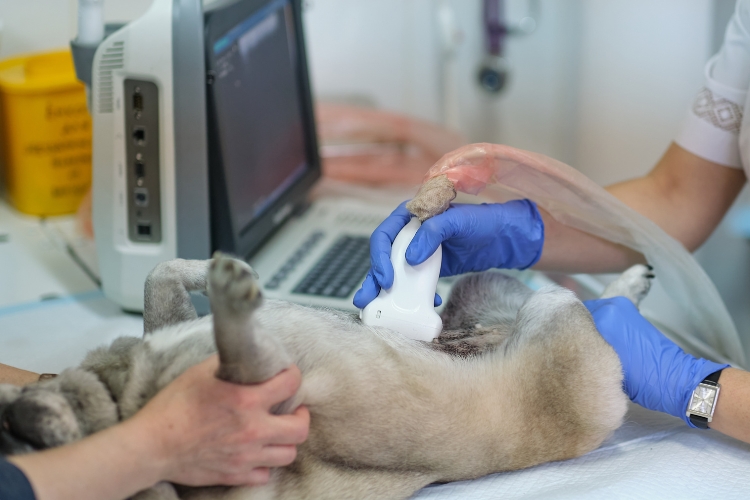
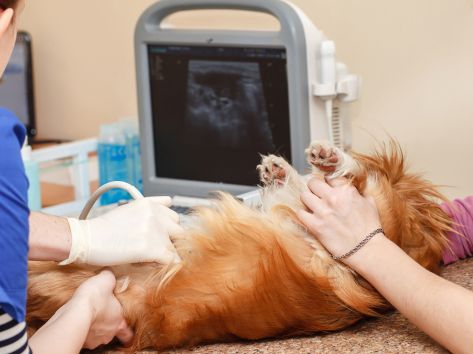
An echocardiogram uses ultrasound technology to create real-time images of your cat’s heart. It allows veterinarians to evaluate heart size, structure, and pumping efficiency. The test is especially useful for detecting conditions such as thickened heart walls or valve abnormalities, helping to guide accurate diagnosis and treatment planning.
Chest X-rays
Chest X-rays provide a clear image of your cat’s heart, lungs, and surrounding structures. They help assess heart size and detect fluid buildup in or around the lungs, which can indicate heart disease. The test is often used alongside other diagnostics to understand how heart issues may be affecting breathing and overall health.
Blood Tests
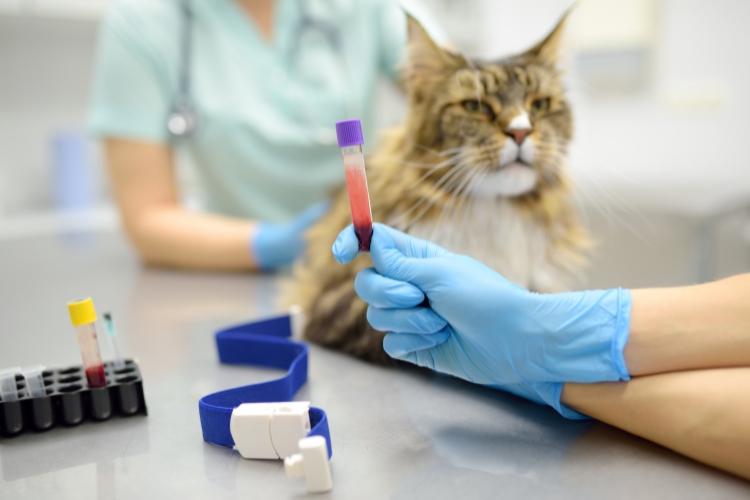
Blood tests can reveal important markers related to heart health, including proteins released when the heart is under stress. These tests help identify underlying conditions that may not yet show physical symptoms. They also provide insight into organ function, which is important when evaluating how heart disease may impact the body.
Blood Pressure Monitoring
Blood pressure monitoring measures the force of blood against your cat’s artery walls. High blood pressure can strain the heart and lead to serious complications if left untreated. The test is simple and helps veterinarians identify risks early, allowing for better management of conditions that could affect heart function over time.
What Happens During a Heart Screening Visit
Understanding the process can make the experience easier for you and your cat.
- Initial Examination: Your veterinarian will listen to your cat’s heart and lungs. They will also check for murmurs or irregular rhythms.
- Medical History Review: You will be asked about any changes in behavior, appetite, and activity levels.
- Diagnostic Testing: Based on the findings, your vet may recommend specific tests, such as an ECG or imaging.
- Comfort-Focused Approach: Most tests are non-invasive and designed to keep your cat calm.
- Follow-Up Plan: If an issue is found, your vet will clearly outline the next steps.
Practical Steps You Can Take at Home
You play an important role in your cat’s health. Daily observations can support early detection.
- Monitor breathing: Watch for changes in rate or effort, especially during rest.
- Track eating habits: Note any sudden changes in appetite or water intake.
- Check activity levels: Compare your cat’s current behavior to their usual routine.
- Schedule routine exams: Regular visits help detect issues before symptoms appear.
- Maintain a healthy weight: Proper nutrition supports heart health and reduces risk.
How Early Testing Improves Long-Term Outcomes
Early detection changes everything when it comes to heart conditions.
- Better Treatment Options: Conditions identified early are easier to manage with medication and lifestyle adjustments.
- Slower Disease Progression: Timely care can delay disease progression and reduce its severity.
- Improved Quality of Life: Cats can remain active, comfortable, and engaged for longer.
- Reduced Emergency Risks: Monitoring prevents sudden complications that require urgent care.
- Peace of Mind for You: Knowing your cat’s health status helps you make informed decisions.
Ignoring early testing may allow silent conditions to worsen. Over time, this can lead to breathing distress, fluid buildup, or heart failure.
A Smarter Approach to Your Cat’s Health
Heart conditions in cats are not always preventable, but they are manageable when caught early. Routine screenings, combined with attentive care at home, create a strong foundation for long-term wellness.
By staying proactive, you give your cat the best chance to live comfortably, even if a condition develops. Scheduling regular exams and noticing subtle changes can make a significant difference.
Take the Next Step for Your Cat’s Heart Health
If you’re in South Burlington and want to diagnose potential pet health concerns, contact our team at Dorset Street Animal Hospital for trusted veterinary support. Our team provides thorough evaluations and personalized care for your cat’s needs. Early testing can make a meaningful difference in your cat’s life.
FAQs
1. How early should cats be tested for heart conditions?
Cats can benefit from baseline heart screenings during routine exams, even at a young age. Early testing is especially useful for breeds at risk or cats with subtle symptoms, helping detect issues before they progress into more serious health concerns.
2. Are heart tests safe for cats?
Yes, most heart tests are non-invasive and safe. Procedures like ECGs and ultrasounds are designed to be gentle and stress-free. Your veterinarian will ensure your cat remains comfortable throughout the process while gathering accurate diagnostic information.
3. Can indoor cats develop heart disease?
Yes, indoor cats can still develop heart conditions. Factors like genetics, age, and underlying health issues play a role. Even without outdoor exposure, routine monitoring is important for catching early signs that might otherwise go unnoticed.
4. What breeds are more prone to heart conditions?
Certain breeds, such as Maine Coons and Ragdolls, are more likely to develop heart disease. However, mixed-breed cats are not immune. Regular check-ups help identify risks regardless of breed and ensure timely care if needed.
5. How often should heart screenings be done?
Frequency depends on your cat’s age and health status. Healthy adult cats may need annual screenings, while senior cats or those with risk factors may require more frequent evaluations. Your veterinarian will recommend a schedule based on individual needs.