
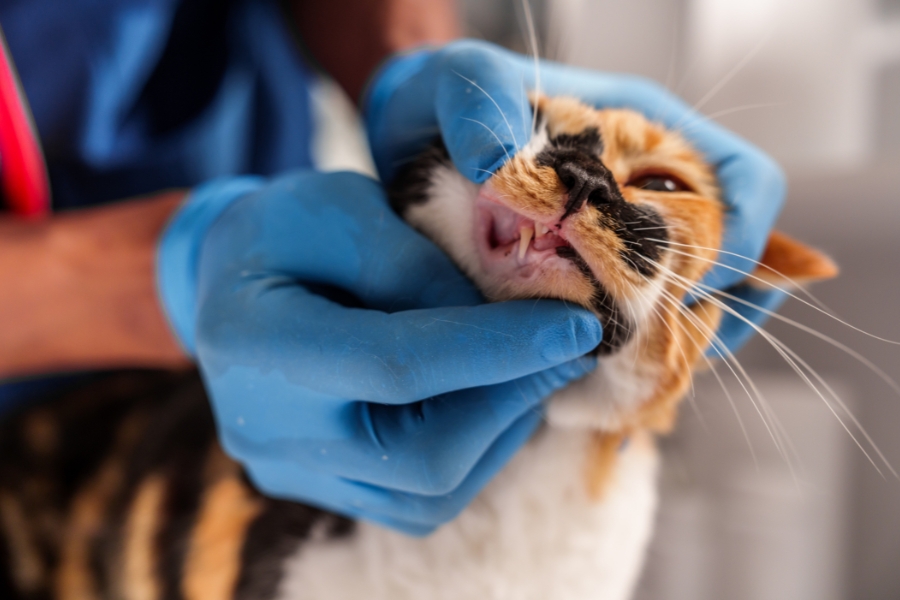
Cats are incredibly skilled at hiding discomfort. Even when they feel pain, they often continue eating, sleeping, and playing as if nothing is wrong. However, dental disease is one of the most common health problems in cats, and it frequently goes unnoticed until it becomes severe. Therefore, understanding the importance of regular dental cleaning is crucial for protecting your cat’s overall health.
Dental problems do not simply affect the mouth. Instead, they can influence the entire body. From chronic pain to organ damage, untreated oral disease can significantly reduce your cat’s quality of life. For pet owners who want to provide the best care possible—especially families caring for cats in South Burlington, VT—preventive dental care should be a priority.
Understanding Dental Disease in Cats
Dental disease begins quietly. First, plaque forms on the teeth after meals. If plaque is not removed, it hardens into tartar. Over time, tartar irritates the gums and causes inflammation, a condition known as gingivitis.
If gingivitis progresses, periodontal disease develops. At this stage, infection spreads below the gumline and begins damaging tooth roots and supporting structures. Eventually, teeth may loosen or fall out. However, the impact does not stop there.
Bacteria from infected gums can enter the bloodstream. As a result, vital organs such as the heart, kidneys, and liver may suffer long-term damage. Consequently, untreated dental disease becomes a serious whole-body health issue rather than just a cosmetic concern.
Common Signs of Dental Problems in Cats
Because cats hide pain instinctively, recognizing early symptoms requires careful observation. Although some signs are subtle, they should never be ignored.
You may notice:
- Persistent bad breath
- Red or swollen gums
- Drooling
- Difficulty chewing
- Dropping food while eating
- Pawing at the mouth
- Behavioral changes such as irritability
In advanced cases, visible tartar buildup or loose teeth may appear. Additionally, your cat may lose weight due to discomfort while eating. Therefore, regular veterinary exams are essential for detecting problems early.
Why Cat Dental Cleaning Matters
Professional dental cleaning plays a critical role in maintaining oral health. While at-home brushing helps reduce plaque, it cannot remove hardened tartar below the gumline. That is why veterinary dental procedures are necessary.
During a professional cleaning, your veterinarian places your cat under safe anesthesia. This allows for a thorough examination and scaling of both visible and hidden surfaces of the teeth. Dental X-rays also identify underlying issues that cannot be seen during a simple visual inspection.
By addressing problems early, you prevent infection, tooth loss, and systemic complications. Ultimately, cat dental care supports a longer and healthier life.
The Link Between Oral Health and Overall Wellness
Healthy teeth allow your cat to eat comfortably and maintain proper nutrition. When oral pain interferes with eating, nutritional deficiencies may follow. Over time, weakened immunity increases vulnerability to other illnesses.
Moreover, chronic infection places constant stress on the immune system. As bacteria circulate through the bloodstream, inflammation can damage internal organs. Therefore, routine dental cleanings do more than improve breath—they protect long-term wellness.
Preventive cat dental care significantly reduces the risk of severe complications and costly emergency treatments later.
What Happens During a Professional Dental Cleaning?
Many pet owners feel nervous about anesthesia. However, modern veterinary protocols prioritize safety and monitoring at every stage.
Before the procedure, your veterinarian performs a physical exam and may recommend bloodwork to ensure your cat is healthy enough for anesthesia. During the cleaning, specialized instruments remove plaque and tartar above and below the gumline.
Dental X-rays evaluate the roots of the teeth. If severe infection or fractures are detected, extractions may be necessary to eliminate pain and prevent further spread of bacteria. After the procedure, most cats recover quickly and return home the same day.
How Often Should Cats Receive Dental Cleanings?
Most cats benefit from annual dental examinations. However, some cats—especially seniors or certain breeds—may require more frequent cleanings. Genetics, diet, and overall health influence how quickly tartar accumulates.
Your veterinarian will recommend a customized schedule based on your cat’s specific needs. Routine evaluations ensure small problems do not escalate into serious conditions.
At-Home Dental Maintenance
Although professional cleanings are essential, home care strengthens results. Establishing a dental routine early makes the process easier.
Brushing
Brushing your cat’s teeth with veterinarian-approved toothpaste remains the most effective preventive measure. Introduce brushing gradually and reward calm behavior.
Dental Diets and Treats
Specially formulated dental diets and treats help reduce plaque mechanically. However, they should complement brushing rather than replace it.
Routine Monitoring
Check your cat’s mouth periodically for redness, swelling, or unusual odor. If you notice changes, schedule an appointment promptly.
Local Considerations for Cats in Vermont
Cats living in Vermont often experience seasonal lifestyle changes. During colder months, indoor living may increase. Consequently, decreased activity levels and dietary adjustments can affect overall health.
Routine veterinary visits in South Burlington, VT ensure that dental and wellness needs remain consistent year-round. Preventive care becomes especially important as cats age, since senior felines face a higher risk of periodontal disease.
The Cost of Ignoring Dental Disease
Delaying dental care can lead to painful infections, abscesses, and expensive surgical procedures. Furthermore, untreated disease may require multiple extractions, which prolong recovery time.
In contrast, preventive cleanings are less invasive and more affordable over time. By investing in routine care now, you protect both your cat’s comfort and your financial peace of mind.
Building a Preventive Care Plan
A comprehensive health strategy includes regular wellness exams, vaccinations, parasite prevention, balanced nutrition, and dental assessments. When combined, these elements create a strong foundation for longevity.
Dorset Street Animal Hospital emphasizes preventive medicine and personalized care plans. By partnering with experienced professionals, you ensure your cat receives attentive and compassionate support throughout every life stage.
Dental cleaning is not a luxury—it is a necessity. Because cats hide pain so effectively, dental disease can progress silently and cause significant damage. Regular professional cleanings, combined with at-home maintenance, protect your feline companion from unnecessary discomfort and systemic health risks.
If you are in South Burlington and looking for cat dental care, don’t hesitate to contact Dorset Street Animal Hospital. Our veterinary team is committed to keeping your cat healthy, comfortable, and thriving for years to come.
FAQs
1. How do I know if my cat needs dental cleaning?
Signs include bad breath, red gums, drooling, or difficulty eating. However, many issues remain hidden, so regular exams are essential.
2. Is anesthesia safe for dental procedures?
Yes. Modern monitoring equipment and pre-procedure screenings make anesthesia very safe for healthy cats.
3. How often should my cat’s teeth be professionally cleaned?
Most cats benefit from annual cleanings, although some may need them more frequently.
4. Can dental disease shorten my cat’s life?
Yes. Untreated infections can spread to major organs and negatively impact overall health.
5. Is brushing really necessary if my cat eats dry food?
Yes. Dry food alone does not prevent plaque buildup. Brushing remains the most effective preventive measure.
6. What happens if a tooth needs to be removed?
If extraction is necessary, it relieves pain and prevents infection from spreading. Cats typically recover quickly and feel much better afterward.