
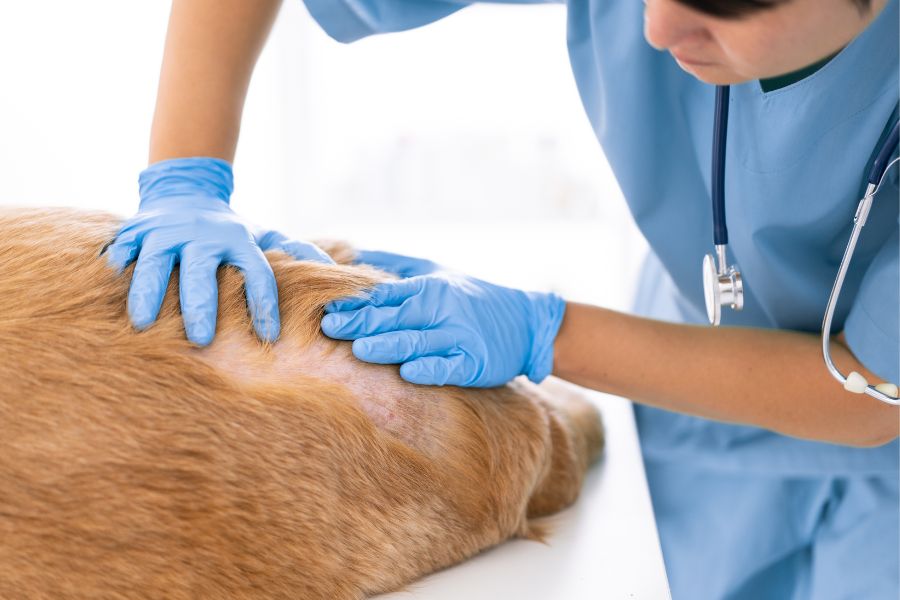
Pain is a serious health concern for both dogs and cats. However, because pets cannot tell us when something hurts, pain often goes unrecognized. Many animals instinctively hide discomfort, which makes professional veterinary care essential for identifying and managing pain safely. Fortunately, advancements in veterinary medicine now allow veterinarians to control pain effectively while minimizing risks.
By combining medical expertise, modern diagnostics, and compassionate care, veterinarians help pets live more comfortable and active lives. In this article, we will explore how veterinarians safely manage pain in dogs and cats, the methods they use, and why early intervention matters.
How Dogs and Cats Experience Pain
Pain in pets can be classified as either acute or chronic. Acute pain occurs suddenly and is often linked to injuries, surgeries, or infections. Chronic pain, on the other hand, develops gradually and may result from arthritis, dental disease, cancer, or degenerative conditions.
Although the causes vary, the impact remains the same. Pain affects mobility, behavior, appetite, and emotional well-being. Therefore, identifying pain early plays a crucial role in preventing long-term suffering.
Common signs of pain in dogs and cats include:
- Limping or stiffness
- Reduced activity or reluctance to jump
- Changes in appetite
- Irritability or withdrawal
- Excessive grooming or licking
- Restlessness or vocalization
Recognizing these signs allows veterinarians to intervene promptly and begin safe pain management.
Why Safe Pain Management Is Essential
Managing pain is not just about comfort. It directly influences healing, mobility, and overall quality of life. Pets in pain often recover more slowly and may develop anxiety or behavioral changes if discomfort persists.
However, pain management must always be safe. Veterinarians carefully select treatments based on a pet’s age, size, medical history, and current health. This personalized approach reduces the risk of side effects while ensuring effective relief.
As a result, safe pain management supports both physical recovery and emotional well-being.
How Veterinarians Evaluate Pain
Before creating a treatment plan, veterinarians perform a thorough pain assessment. This process often includes:
- A complete physical examination
- Observation of posture, gait, and movement
- Review of medical history
- Diagnostic testing when necessary
Through this evaluation, veterinarians determine the severity and source of pain. More importantly, they identify whether pain is acute, chronic, or a combination of both. This information guides treatment decisions and ensures appropriate care.
Medications Used to Manage Pain
Medication remains one of the most effective tools for pain control. However, veterinarians never prescribe pain relief casually. Instead, they use evidence-based medications designed specifically for pets.
Non-Steroidal Anti-Inflammatory Drugs (NSAIDs)
NSAIDs are commonly used to treat inflammation and pain, especially in dogs with arthritis or joint injuries. These medications help improve mobility and reduce stiffness.
Because NSAIDs can affect organs such as the liver or kidneys, veterinarians monitor pets closely and adjust dosages as needed. This careful oversight ensures long-term safety.
Opioids and Other Analgesics
For moderate to severe pain, veterinarians may prescribe opioids or other analgesics. These medications are often used after surgery or serious injury.
When administered correctly and under veterinary supervision, these drugs provide effective relief without unnecessary risk.
Local Anesthetics and Nerve Blocks
Local anesthetics block pain signals in specific areas of the body. Veterinarians frequently use them during surgical procedures to reduce pain both during and after surgery.
By targeting pain directly, nerve blocks reduce the need for higher doses of systemic medications.
Multimodal Pain Management: A Comprehensive Strategy
Rather than relying on a single method, veterinarians often use multimodal pain management. This approach combines different therapies to improve comfort while minimizing side effects.
Multimodal pain management may include:
- Medications
- Physical therapy
- Weight management
- Lifestyle and environmental adjustments
Because each therapy works differently, combining them provides more consistent and effective pain relief.
Non-Medication Pain Relief Options
In many cases, non-medication therapies play a vital role in pain management.
Physical Therapy and Rehabilitation
Physical therapy improves strength, flexibility, and circulation. Controlled exercises, massage, and stretching help pets recover from surgery or manage chronic conditions such as arthritis.
Over time, these therapies can significantly reduce pain and improve mobility.
Weight Management
Excess weight places additional stress on joints, which worsens pain. Therefore, veterinarians often recommend weight management plans for pets experiencing chronic discomfort.
Even modest weight loss can lead to noticeable improvements in movement and comfort.
Home Environment Adjustments
Simple changes at home can make a big difference. Orthopedic bedding, ramps, non-slip flooring, and easy access to food and water all help reduce strain and discomfort.
These adjustments support pain management between veterinary visits.
Ongoing Monitoring and Adjustments
Pain management is an ongoing process. Veterinarians regularly reassess pets to determine how well treatments are working. If a pet’s condition changes, the plan is adjusted accordingly.
Through follow-up visits and open communication, veterinarians ensure pain remains controlled safely and effectively over time.
Why Veterinary Guidance Is Crucial
Pet owners should never give human pain medications to dogs or cats. Many common human drugs are toxic to pets and can cause serious complications.
Veterinarians have the training and tools needed to manage pain responsibly. Their guidance ensures pets receive appropriate treatment without unnecessary risks.
Safe pain management is a cornerstone of compassionate veterinary care. By accurately assessing pain, using appropriate medications, and combining supportive therapies, veterinarians help dogs and cats live more comfortable, active lives. Early intervention and personalized care make a lasting difference in both recovery and long-term well-being.
Conveniently located in South Burlington, VT, if you are looking for veterinarians near me, then Dorset Street Animal Hospital is the best choice for you. Our compassionate team specializes in safely managing pain in dogs and cats, ensuring comfort, safety, and improved quality of life at every stage.
FAQs
Q1. How do veterinarians tell if my pet is in pain?
Ans. Veterinarians evaluate behavior, posture, movement, and physical exam findings to identify signs of pain.
Q2. Is long-term pain medication safe for pets?
Ans. Yes, when prescribed and monitored by a veterinarian. Regular checkups help ensure ongoing safety.
Q3. Can cats receive pain management like dogs?
Ans. Yes. Cats benefit greatly from pain management, although medications are carefully selected for their specific needs.
Q4. What are the signs my pet’s pain may be worsening?
Ans. Increased limping, withdrawal, appetite changes, or behavioral shifts may indicate worsening pain.
Q5. Are non-medication treatments effective for pain?
Ans. Absolutely. Physical therapy, weight management, and environmental changes can significantly reduce pain.
Q6. Should I stop pain medication if my pet seems better?
Ans. No. Always consult your veterinarian before changing or stopping medication to avoid setbacks.