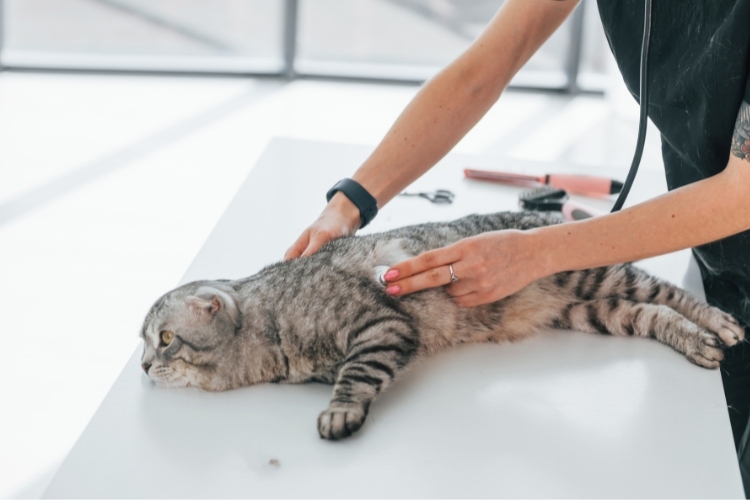
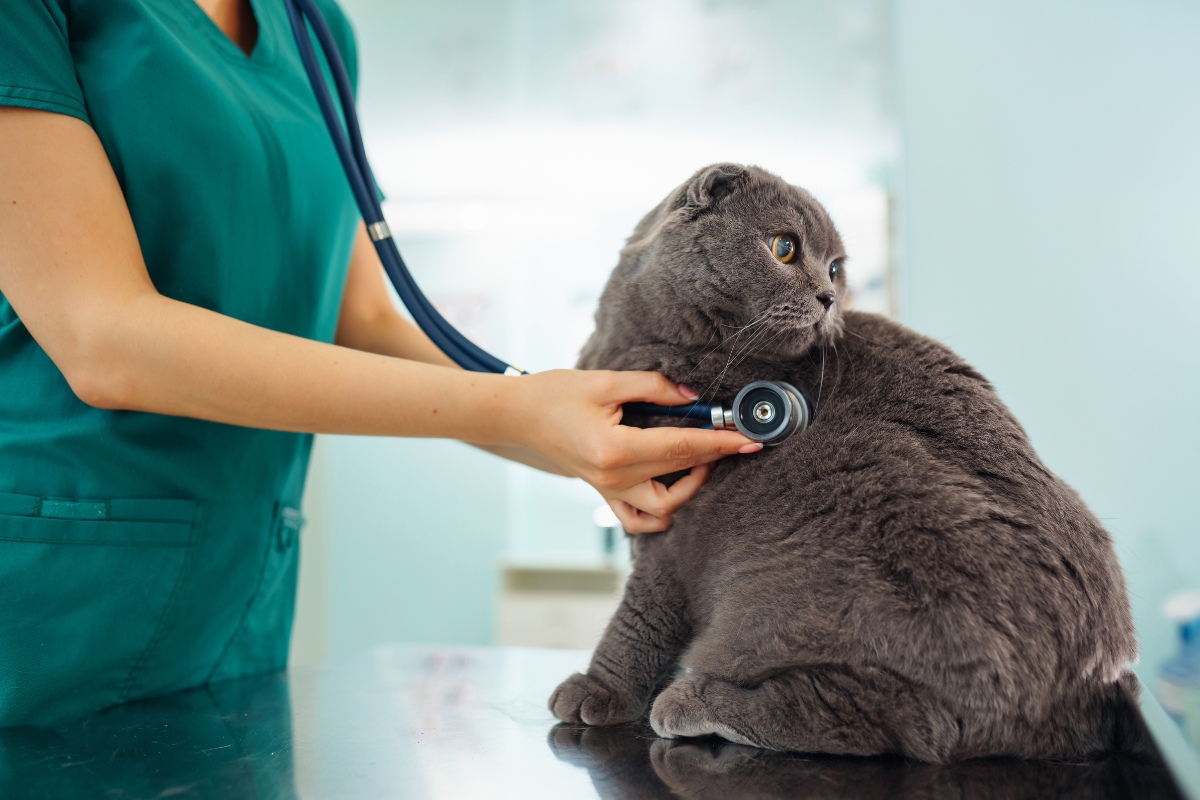
Pets bring joy, companionship, and unconditional love into our lives. However, because animals instinctively hide discomfort, health problems often go unnoticed until they become serious. That is exactly why wellness exams play such a vital role in keeping pets healthy. Rather than waiting for visible signs of illness, regular wellness visits allow veterinarians to identify potential issues early and help your pet enjoy a longer, healthier life.
In this article, we will explore what wellness exams involve, why they are essential at every life stage, and how they benefit both pets and pet parents.
What Is a Pet Wellness Exam?
A wellness exam is a routine veterinary visit designed to evaluate your pet’s overall health. Unlike sick visits, which focus on treating existing problems, wellness exams emphasize prevention, early detection, and long-term health management.
During a typical wellness exam, your veterinarian will:
- Perform a thorough physical examination
- Check weight, temperature, heart rate, and respiration
- Examine eyes, ears, teeth, skin, and coat
- Assess joint health and mobility
- Discuss diet, behavior, and lifestyle
- Recommend vaccines, parasite prevention, or diagnostic tests
Because these exams provide a complete snapshot of your pet’s health, they serve as the foundation of responsible pet ownership.
Early Detection Saves Lives
One of the most important benefits of wellness exams is early disease detection. Many serious conditions, such as kidney disease, diabetes, arthritis, and heart disease, develop gradually. Unfortunately, pets often show no obvious symptoms until the disease has progressed.
However, regular exams allow veterinarians to detect subtle changes before they become severe. For example, mild weight loss, dental issues, or small lumps may not concern pet owners at first. Yet, these signs can indicate underlying problems that require attention.
As a result, early diagnosis leads to more treatment options, lower medical costs, and better outcomes.
Preventive Care Reduces Long-Term Health Risks
Preventive care is always more effective than reactive treatment. During wellness exams, veterinarians assess your pet’s risk factors based on age, breed, and lifestyle. Then, they create a customized care plan to prevent future health problems.
Preventive care may include:
- Vaccinations to protect against contagious diseases
- Parasite prevention for fleas, ticks, and heartworms
- Dental evaluations to prevent gum disease
- Nutritional guidance to maintain a healthy weight
By staying proactive, you significantly reduce the likelihood of serious illness later in life.
Wellness Exams Support Every Life Stage
Pets have different health needs as they grow. Therefore, wellness exams adapt to each stage of life.
Puppies and Kittens
Young pets need frequent wellness visits to support healthy development. These exams focus on vaccinations, growth monitoring, parasite control, and behavior guidance. Additionally, early exams help build a positive relationship between your pet and the veterinary team.
Adult Pets
Adult pets benefit from annual wellness exams that maintain optimal health. During this stage, veterinarians monitor weight, dental health, and organ function while ensuring vaccines and preventive care stay up to date.
Senior Pets
As pets age, they become more susceptible to chronic conditions. Therefore, senior pets often require wellness exams every six months. These visits frequently include bloodwork, joint evaluations, and screenings that help manage age-related changes effectively.
Dental Health Is a Key Component of Wellness
Dental disease is one of the most common yet overlooked health problems in pets. Without routine exams, dental issues can progress silently, causing pain, infection, and tooth loss. Worse still, bacteria from the mouth can enter the bloodstream and affect vital organs.
Fortunately, wellness exams allow veterinarians to detect early signs of dental disease. They can recommend cleanings, at-home care, and dietary adjustments that protect your pet’s oral health and overall well-being.
Behavior and Nutrition Guidance Matters
Wellness exams are not limited to physical health. They also provide an opportunity to discuss behavioral concerns and nutritional needs.
For instance, changes in behavior may signal anxiety, pain, or underlying illness. Similarly, improper nutrition can lead to obesity, digestive problems, or nutrient deficiencies.
By addressing these topics during wellness visits, veterinarians help pet owners make informed decisions that improve quality of life.
Stronger Vet-Patient Relationships Improve Care
When pets attend regular wellness exams, veterinarians become familiar with their normal health patterns. This history makes it easier to identify abnormalities quickly. Additionally, pets that visit the clinic regularly often experience less stress during appointments.
At the same time, pet owners gain a trusted partner in their pet’s health journey. This ongoing relationship leads to better communication, personalized care, and greater peace of mind.
Cost-Effective Care in the Long Run
Although some pet owners delay wellness exams to save money, preventive care actually reduces long-term expenses. Treating advanced illnesses often costs significantly more than preventing them.
By investing in routine exams, you minimize emergency visits, reduce treatment complexity, and extend your pet’s healthy years. Ultimately, wellness care protects both your pet’s health and your budget.
Wellness exams are not optional—they are essential. They support early disease detection, reduce health risks, and ensure pets receive age-appropriate care throughout their lives. Most importantly, they help pets live longer, happier, and healthier lives by focusing on prevention rather than treatment.
If you are committed to proactive and compassionate pet wellness care in South Burlington, VT, regular wellness exams are one of the most important steps you can take to protect your pet’s long-term health.
Frequently Asked Questions (FAQs)
Q1. How often should my pet have a wellness exam?
Ans. Most adult pets should have a wellness exam once a year. However, puppies, kittens, and senior pets may need exams more frequently.
Q2. Are wellness exams necessary if my pet seems healthy?
Ans. Yes. Many illnesses do not show visible symptoms in the early stages. Wellness exams help detect hidden health issues before they worsen.
Q3. What is the difference between a wellness exam and a sick visit?
Ans. A wellness exam focuses on prevention and overall health, while a sick visit addresses specific symptoms or illnesses.
Q4. Do indoor pets still need wellness exams?
Ans. Absolutely. Indoor pets can still develop chronic diseases, dental issues, and weight problems that require monitoring.
Q5. Are diagnostic tests part of wellness exams?
Ans. In many cases, yes. Bloodwork, fecal exams, and other screenings may be recommended based on age and health status.
Q6. How can I prepare my pet for a wellness exam?
Ans. Bring vaccination records, note any behavior changes, and be ready to discuss diet, activity, and lifestyle. Staying calm also helps your pet feel at ease.